

Blog
How to Decode the Iconic Stiletto: Good Girl Perfume Review & The Ultimate Factory-Direct Alternative
Mar
Editorial Disclosure & Author Expertise
About the Author: Linus Dacke Thall – Supply Chain Expert & Fragrance Formulator
With over a decade of hands-on experience in global fragrance manufacturing, ingredient sourcing, and laboratory formulation, Linus breaks down the complexities of the perfume industry for the everyday consumer.
Transparency Note: This comprehensive guide is designed to educate consumers on fragrance structures and industry economics. While the author oversees product development for IMIXX Fragrances, this article includes objective analyses of various brands, including designer originals and alternative options like Zara and Dossier, to help you make the best choice for your budget and lifestyle in the USA.
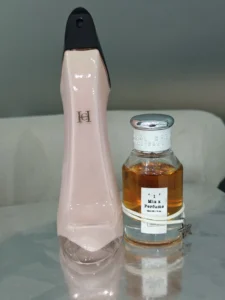
How to Decode the Iconic Stiletto: Good Girl Perfume Review & The Ultimate USA Fragrance Guide
1. Introduction: The Phenomenon of the Stiletto Bottle
If you have walked through any major department store in the United States—from Macy’s to Sephora—you have undoubtedly seen it. Standing tall among traditional, rectangular glass flacons is a towering, sleek, navy-blue stiletto with a gold heel. Carolina Herrera Good Girl perfume is not just a fragrance; it is a cultural phenomenon.
Launched with the memorable slogan “It’s so good to be bad,” this fragrance captured the hearts (and wallets) of millions. But beyond the striking, highly Instagrammable packaging, what is actually inside the bottle? As a fragrance supply chain specialist, I often see consumers confused by marketing jargon. You might wonder: What does it really smell like? Is it worth the $130+ price tag? And if I’m on a budget, what are the best dupes for Good Girl perfume that don’t smell like cheap rubbing alcohol?
In this massive, easy-to-understand guide, we are going to strip away the marketing fluff. We will explore the olfactory science behind its famous “duality,” evaluate its real-world performance, openly discuss the economics of luxury perfume packaging, and provide a fair, unbiased look at how you can capture this exact vibe for a fraction of the cost.
2. The Olfactory Journey: What Does Carolina Herrera Good Girl Smell Like?
Perfume marketing loves to use abstract concepts. For this particular scent, the brand emphasizes “duality”—the idea that a modern woman is both elegant and rebellious. But how does that translate into actual chemistry that your nose can detect?
Think of a perfume like a three-act play. The ingredients evaporate at different rates based on their molecular weight, leading to top notes (Act 1), middle/heart notes (Act 2), and base notes (Act 3). Let’s break down the composition of this iconic oriental floral fragrance in plain English.
Act 1: The Bright, Energetic Opening (Top Notes)
When you first press the atomizer, the lightest molecules hit the air. This initial blast is designed to be a “commercial hook”—it’s what makes you want to buy it immediately at the fragrance counter.
- Almond and Coffee: Unlike the bitter black coffee you drink in the morning, this is a smooth, roasted warmth. The almond provides a creamy, almost nutty sweetness that immediately signals comfort.
- Bergamot and Lemon: You might not explicitly smell citrus, but these notes are used by perfumers to add “lift.” They prevent the coffee and almond from feeling too heavy or muddy right out of the bottle.
Act 2: The Elegant White Floral Heart (Middle Notes)
After about 15 to 30 minutes, the top notes fade, revealing the true personality of the fragrance. This is where the “Good” in the name comes from.
- Tuberose: According to fragrance encyclopedias like Fragrantica, Tuberose is the star of this show. In the lab, Tuberose absolute is incredibly complex. It is a fleshy, creamy white flower that smells slightly sweet, very rich, and undeniably feminine.
- Jasmine Sambac: This adds a fresh, slightly green floral aspect that brightens the heavy Tuberose. Together, they create a massive floral bouquet that feels upscale and sophisticated.
Act 3: The Dark, Seductive Anchor (Base Notes)
This is the “Bad” side of the duality, and it is what you will smell on your sweater three days later. Base notes consist of heavy, slow-evaporating molecules.
- Roasted Tonka Bean: Tonka beans contain a compound called coumarin, which smells like a mix of vanilla, sweet hay, and cinnamon. It is warm, cozy, and highly addictive.
- Cacao (Cocoa): This adds a dusty, dry chocolate nuance. It isn’t a sticky-sweet milk chocolate; it’s a sophisticated dark cocoa powder.
- Vanilla and Praline: These push the fragrance firmly into the “gourmand” category (fragrances that smell almost edible), giving it that undeniable, mouth-watering sweetness.
3. Real-World Performance: Is Good Girl Perfume Long-Lasting?
A common frustration among USA consumers is spending over $100 on a designer scent, only to have it vanish by lunchtime. Fortunately, due to its specific chemical architecture, performance is where this fragrance truly shines.
The Science of Longevity: The reason this perfume lasts so long is its heavy reliance on base notes. Vanilla, woods, and Tonka bean act as “fixatives.” They cling to the natural oils in your skin, dramatically slowing down the evaporation process.
Based on general consumer consensus and standardized scent strip testing, here is a realistic expectation of its performance:
- On Skin: Typically, you can expect a solid 7 to 9 hours of noticeable wear. On well-moisturized skin, some users report up to 12 hours.
- On Clothes: Because fabric traps oils, the base notes can linger on a scarf or jacket for days, if not weeks.
- Sillage (The Scent Trail): The projection is strong. For the first 2 to 3 hours, people will easily smell you when you enter a room.
Expert Tip: Because the projection is so powerful, less is more. Applying more than 3 sprays can cause “olfactory fatigue” (where your nose goes blind to the scent) and might overwhelm those around you, especially in close quarters like a car or an office cubicle.
4. The Stiletto Bottle: Art, Ergonomics, and the Cost of Packaging
We cannot discuss this fragrance without talking about the bottle. The glass stiletto is a marvel of modern packaging engineering. But it is also a major point of debate among consumers.
From an industrial perspective, creating a custom, multi-piece glass mold with an internal pressurized atomizer integrated into the “heel” is exceptionally expensive. While it looks stunning on a vanity and won numerous design awards, many everyday users note that the bottle can be awkward to hold, and spraying it requires an unnatural hand position.
The Reality of Luxury Pricing
This brings us to a crucial consumer education point. Why do designer perfumes cost so much? Publications like Allure Magazine have frequently investigated the hidden costs of beauty products. While exact formulas are closely guarded trade secrets, industry analysts widely agree on general cost allocation structures.
When you purchase a major designer fragrance, you are not just paying for the scented oil. You are funding global television campaigns, celebrity ambassador contracts, retail space in high-end US malls, and the intricate glass packaging itself.
Below is a simplified, estimated breakdown to help you understand the traditional retail model versus direct-to-consumer alternatives:
| Cost Component | Traditional Luxury Brand (Est. %) | Factory-Direct Brands (Est. %) |
|---|---|---|
| Marketing, PR & Celebrity Ads | 25% – 35% | 5% – 10% (Mostly digital/social) |
| Retail Margins & Distributors | 40% – 50% | 0% (Sold directly online) |
| Packaging (Custom Bottles/Boxes) | 10% – 15% | 10% – 15% (Standardized minimalist glass) |
| The Liquid (Fragrance Oils & Alcohol) | 2% – 8% | 70% – 80% |
*Note: Percentages are illustrative estimates based on general cosmetics industry supply chain structures and are not specific to any single brand’s confidential financials.
5. The Rise of “Dupe” Culture in the USA
Over the last few years, the fragrance landscape in the United States has shifted dramatically. Driven by economic inflation and the viral nature of platforms like TikTok, consumers are actively seeking “dupes” (duplicates or highly similar alternatives).
Historically, “cheap perfumes” were notorious for smelling like harsh chemicals. Today, thanks to advances in Gas Chromatography-Mass Spectrometry (GC-MS), independent labs can analyze a popular designer scent and identify the molecular components that create its specific aroma. By utilizing IFRA-compliant ingredients, formulators can reconstruct a highly comparable scent profile without infringing on brand trademarks or using the designer’s proprietary name.
The goal is no longer to sell a “fake” in a counterfeit bottle, but rather to offer an inspired fragrance in a minimalist bottle, passing the savings on to the consumer.
6. How to Smell Like Good Girl for Less: A Fair Comparison of Alternatives
If you love the scent of Tuberose and Tonka Bean but want to be smart with your budget, you have several credible options in the US market. As a formulator, I believe in looking at the data objectively. Here is a fair comparison of three popular routes you can take.
Option A: The Fast-Fashion Approach (e.g., Zara Deep Garden)
Zara has become famous for producing highly affordable, trendy fragrances. Many consumers point to certain Zara releases as being heavily inspired by the famous stiletto perfume.
- The Pros: Extremely affordable (often under $25) and widely accessible in malls across the USA. The initial spray often captures the same bright floral vibe.
- The Cons: They are typically Eau de Toilette (EDT) concentrations. Because they prioritize top notes for a quick sale, the dry-down is often linear, and the longevity is relatively poor (usually fading within 2-4 hours). It is a great quick fix, but requires constant reapplication.
Option B: The Mass-Market Dupe Brand (e.g., Dossier Fruity Almond)
Brands like Dossier have popularized the minimalist alternative movement in the US. Their version, Fruity Almond, is a widely reviewed option.
- The Pros: Excellent transparency, clean branding, and a very solid, highly recognizable scent profile that closely mimics the original’s sweet opening. Reasonably priced around $29-$39.
- The Cons: Because they produce on a massive commercial scale, some fragrance enthusiasts feel the maceration (aging) process might be rushed, occasionally leading to a slightly sharper alcohol blast in the first few minutes before it settles down.
Option C: The Factory-Direct Extrait Approach (IMIXX No. 16)
This is where my team operates. At IMIXX, we noticed a gap: consumers wanted affordable alternatives, but they didn’t want to sacrifice the heavy, 8-hour performance of a true Eau de Parfum or Extrait. We formulated IMIXX No. 16 to address this.
- The Pros: By focusing our budget heavily on raw materials, No. 16 uses a higher oil concentration. We emphasize a strict maceration period in our facility, allowing the Jasmine and Cocoa notes to blend smoothly with the alcohol base. This eliminates the harsh opening and secures a deep, velvety dry-down that rivals the original in longevity.
- The Cons: We don’t have physical retail stores where you can smell it first. You are relying on the descriptive notes and our reputation, though we strive to make the online purchasing experience seamless.
| Brand / Option | Concentration Level | Estimated Longevity | Best Suited For… |
|---|---|---|---|
| Original Designer | Eau de Parfum (EDP) | 7 – 9+ Hours | Collectors wanting the prestige bottle and original formulation. |
| Fast Fashion (Zara) | Eau de Toilette (EDT) | 2 – 4 Hours | Teens or budget buyers wanting a quick, temporary scent aura. |
| Mass Market (Dossier) | Eau de Parfum (EDP) | 5 – 7 Hours | Everyday consumers looking for a reliable, widely reviewed alternative. |
| IMIXX No. 16 | High-Concentration EDP/Extrait | 8 – 10 Hours | Fragrance lovers wanting maximum performance, rich base notes, and factory transparency. |
7. How to Maximize Your Fragrance: Layering and Application Tips
Whether you choose the original designer bottle or an alternative like IMIXX No. 16, how you wear it matters immensely. As a formulator, I always advise consumers on the best practices to get the most out of their fragrance investment.
- Moisturize First: Fragrance oils bind to fat, not water. If you spray perfume on dry skin, it will evaporate rapidly. Apply an unscented body lotion or Vaseline to your pulse points before spraying.
- Don’t Rub Your Wrists: When you spray your wrists and rub them together, the friction creates heat. This “burns off” the delicate top notes (like the Bergamot and Almond) prematurely, altering the scent’s intended evolution. Simply spray and let it air dry.
- Strategic Placement: For a night out, spray on the pulse points that generate heat: the sides of the neck, inside the elbows, and behind the knees. If you want maximum sillage, a light mist on your hair or scarf works wonders.
- Storage is Key: Never store your perfume in a steamy bathroom or on a sunny windowsill. Heat and UV light degrade the delicate chemical bonds, causing the perfume to “turn” or smell sour. Keep it in a cool, dark place like a bedroom drawer.
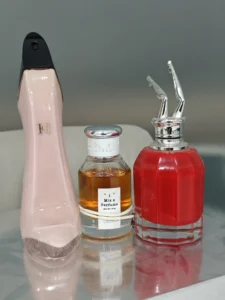
8. The Ultimate USA FAQ: Everything Else You Need to Know
To make this the most comprehensive guide available, I have compiled and answered the most frequently asked questions US consumers type into Google regarding this scent profile.
What occasions are best for wearing Good Girl Perfume?
This profile is quintessential evening wear. Because of its heavy, sweet gourmand notes and massive projection, it is ideal for date nights, formal events, upscale dinners, and holiday parties. It is designed to be noticed and to leave a seductive impression.
Is Good Girl suitable for day or night wear?
While there are no hard rules in perfumery, 90% of fragrance experts recommend this exclusively for the night. If you wear it during a hot summer day or in a tight office space, the Tonka bean and Tuberose can become cloying and overwhelming to others.
What seasons are best for wearing Carolina Herrera Good Girl?
Fall and Winter are the absolute best seasons for this scent. The crisp, cold air perfectly tempers the heavy sweetness of the vanilla and cocoa. Wearing it in high humidity or summer heat can make the fragrance feel sticky.
What is the difference between Good Girl and Very Good Girl?
They are completely different olfactory families. The original (black stiletto) is an Oriental Floral focused on white flowers, coffee, and cocoa. Very Good Girl (the red stiletto) is a Fruity Floral. It drops the coffee/cocoa entirely and focuses heavily on tart Red Currant, Lychee, and Rose. It is much brighter, tangier, and better suited for daytime or spring wear.
Is Good Girl appropriate for all ages?
Fragrance is subjective, but this profile leans mature and confident. It is overwhelmingly popular among women in their 20s, 30s, and 40s. Because of its intense, seductive nature, it might feel a bit too heavy or “grown-up” for younger teenagers looking for light, fresh body mists.
Which Carolina Herrera Good Girl perfume is the best?
“Best” depends on your taste. If you want the classic sexy night-out vibe, the Original EDP is king. If you prefer powdery and romantic, Good Girl Blush (pink bottle) with its peony notes is excellent. If you want something fruity and playful, Very Good Girl (red bottle) is the top choice.
Who makes the Good Girl perfume?
The Carolina Herrera brand is owned by the Spanish fashion and fragrance conglomerate Puig. The fragrance itself was crafted by master perfumer Louise Turner, who is renowned for her exceptional work with white floral compositions in the industry.
9. Conclusion: Embrace Your Confidence and Choose Wisely
The success of the iconic stiletto fragrance in the USA is no accident. It is a masterclass in modern perfumery, blending the vibrant energy of almond and coffee with the elegant femininity of Tuberose, all resting on a deeply addictive bed of Tonka bean and cocoa. It is a scent that demands attention and exudes confidence.
However, as we have explored, being a savvy consumer means understanding what you are paying for. If the artistic glass bottle sparks joy and fits your budget, the designer original is a beautiful addition to any collection. But if your primary desire is to simply wear that unforgettable, compliment-pulling scent profile, the modern fragrance industry offers incredible alternatives.
Whether you explore accessible options at Zara, mass-market alternatives like Dossier, or decide to experience the lab-direct, high-performance formulation of IMIXX No. 16, you now possess the knowledge to make an informed choice. You understand the chemistry, the economics, and the art of application.
Ready to explore the world of smart luxury?
Browse our full library of educational articles, or discover how our factory formulates high-end scent profiles directly for you at IMIXX.net.
