

Best Fragrance Lists, Blog
How to Find the Best Acqua di Parma Dupe That Actually Lasts: A Supply Chain Expert’s Guide
May
Executive Summary
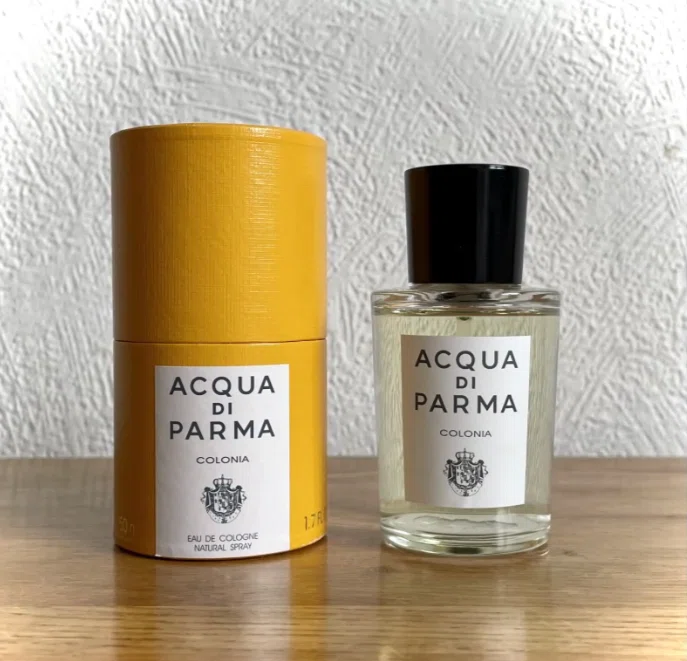
The Core Challenge: For decades, fragrance enthusiasts in the USA have chased the quintessential Italian summer scent. The original Acqua di Parma Colonia, along with its famous flankers like Fico di Amalfi, offers a breathtaking olfactory experience. Yet, they notoriously suffer from a fatal flaw: poor longevity. Citrus molecules are inherently volatile, meaning that traditional Eau de Cologne formulations often vanish from the skin within one to two hours.
The Industry Reality: As a professional in fragrance formulation and supply chain management, I want to demystify the $300 price tag. The cost of traditional luxury citrus scents is largely driven by retail markups, heavy glass packaging, and massive marketing budgets—not the raw liquid inside the bottle. High-quality, long-lasting fragrance compounds are highly accessible today.
The Solution: This comprehensive guide bridges the gap between high-end perfumery chemistry and everyday consumer value. We will explore the science of olfactory volatility, gas chromatography, and maceration. Most importantly, I will provide a fair, unbiased review of the best Acqua di Parma dupes on the market—including top contenders like The Dua Brand, Alexandria Fragrances, and IMIXX. If you are searching for an affordable, long-lasting Italian citrus cologne dupe, understanding the mechanics of the fragrance factory is your ultimate advantage.
1. The DNA of a Classic: Why Does Italian Citrus Smell So Good (But Fade So Fast)?
Before we can even begin to discuss how to find a high-quality, cheap Acqua di Parma clone, we must understand the chemistry of the original masterpiece. The DNA of a classic Italian cologne is built upon a foundation of what perfumers call Hesperidic notes. These include Calabrian bergamot, Sicilian lemon, bitter orange, grapefruit, and mandarin. When you spray a classic Mediterranean fragrance, you are instantly transported to a sun-drenched terrace on the Amalfi coast. It is bright, uplifting, and incredibly clean.
But why does this beautiful olfactory journey end so abruptly? Why do consumers constantly scour the internet for a “long-lasting Acqua di Parma alternative”?
The Physics of Olfactory Volatility
In the fragrance laboratory, we classify ingredients by their molecular weight and their evaporation rate. Citrus essential oils, particularly cold-pressed lemon and bergamot, consist largely of light chemical compounds called terpenes—specifically Limonene and Linalool. You can verify the properties of these common aroma chemicals in public databases like The Good Scents Company. These molecules are incredibly buoyant and energetic.
Think of fragrance notes like athletes. Citrus top notes are sprinters. They explode off the starting line with massive energy but run out of breath quickly. Base notes like woods, musks, and vanilla are marathon runners; they start slow but keep going for hours.
Upon contact with the warmth of human skin—especially during the hot, humid summers we experience across much of the USA—these light citrus terpenes flash off into the air within 30 to 90 minutes. Traditional luxury houses often adhere strictly to historical formulas created over a century ago. A true traditional Eau de Cologne (EDC) contains only 2% to 5% pure aromatic compounds, suspended in a highly volatile mixture of alcohol and water. It was originally designed in the 18th century as a quick, hygienic refresher after a bath or a shave, not as an all-day personal fragrance.
Therefore, when you are searching for an Italian citrus cologne dupe, you aren’t just looking to save money. You are desperately searching for a structural, chemical upgrade in longevity that the original heritage brands simply refuse to implement.
2. Deconstructing the $300 Price Tag: The Luxury Perfume Supply Chain Revealed
As someone who has spent over a decade analyzing raw material sourcing, negotiating with essence suppliers in Grasse, and auditing factory production lines, I must address the elephant in the room: Why is Acqua di Parma so expensive? And conversely, how can a high-quality alternative cost so much less without sacrificing safety or aroma?
There is a persistent myth among consumers that a $300 perfume contains rare, magical ingredients that a $40 perfume cannot possibly obtain. This is mathematically and economically false. To understand this, we have to look objectively at the traditional luxury supply chain versus the modernized direct-to-consumer (DTC) model.
Table 1: Supply Chain Cost Structure Analysis – Traditional Luxury vs. DTC Dupe Brands
*Note: The figures below are industry estimates based on standard 100ml bottle production runs.
| Cost Component | Traditional Luxury Brand ($250 – $350 Retail) | Premium DTC Dupe Brands ($40 – $70 Retail) | Industry Supply Chain Context |
|---|---|---|---|
| Raw Materials (The Fragrance Juice) | $5.00 – $12.00 | $8.00 – $16.00 | Premium dupe brands often spend more on the actual liquid because they utilize higher Extrait concentrations to ensure longevity, whereas luxury brands stick to weaker EDT/EDC formulas. |
| Packaging (Custom Glass, Heavy Caps, Elaborate Boxes) | $12.00 – $25.00 | $3.00 – $6.00 | Custom tooling for unique bottle shapes costs hundreds of thousands of dollars. DTC brands use standardized, minimalist, high-quality stock glass to pass savings to the consumer. |
| Marketing, Billboards & Celebrity Endorsements | $50.00 – $90.00 | $2.00 – $5.00 | You are paying for the brand’s commercials in Times Square. Independent brands rely on SEO, organic search in the USA, and word-of-mouth. |
| Retail Markups (Department Stores & Boutiques) | $120.00 – $180.00 | $0.00 (Direct to Consumer) | Major retailers take a massive 50% to 60% cut of the retail price just for placing the bottle on their shelf. |
When you analyze the data objectively, it becomes crystal clear that paying top dollar does not mean you are getting superior liquid. You are paying for real estate in high-end malls, lavish marketing, and the prestige of a legacy logo. By stripping away these non-olfactory costs, independent brands can reallocate the budget into what actually matters to you, the consumer: fragrance concentration and skin performance.
3. The Science of a Good Dupe: Gas Chromatography and Extrait Concentrations
If you have ever bought a cheap “impression of” fragrance off a drugstore shelf in the USA, you likely noticed an overwhelming, harsh scent of rubbing alcohol, followed by a synthetic lemon smell that resembled floor cleaner and vanished in ten minutes. This is what we call poorly formulated, thin content in a bottle.
To engineer the best Acqua di Parma dupe, modern fragrance houses approach formulation as a rigorous science, not a guessing game.
The Role of GC-MS Technology
Professional formulation labs do not just sniff a bottle and try to recreate it by memory. Modern perfumery relies heavily on Gas Chromatography-Mass Spectrometry (GC-MS). This advanced piece of laboratory equipment analyzes the exact molecular structure of a target fragrance, breaking it down into its individual chemical constituents and generating a precise “recipe.”
However, as any seasoned perfumer will tell you, reading a GC-MS report is like reading the sheet music for a Beethoven symphony. The machine provides the notes, but it takes a skilled chemist and a master perfumer to play the music. They must identify which natural essential oils were used versus which synthetic aromachemicals, and perfectly balance them to recreate the magic.
Upping the Concentration: The Extrait de Parfum Advantage
As we discussed, to fix the poor longevity of traditional citrus colognes, the best alternative brands utilize a much higher concentration of fragrance oils. While the original inspirations might sit at 5% (Cologne) or 10% (Eau de Toilette), premium clone houses push their formulations to Extrait de Parfum levels—often utilizing 25% to 30% pure perfume oil.
This drastically alters the evaporation curve on your skin. The highly volatile citrus top notes are anchored tightly by a denser matrix of carrier oils, slowing down their escape into the air.
Table 2: Olfactory Architecture and Fixation Engineering
Here is exactly how a formulation expert alters the chemical structure to make a citrus dupe last all day.
| Olfactory Pyramid Stage | Traditional Luxury Behavior (EDC/EDT) | Engineered Dupe Approach (Extrait de Parfum) |
|---|---|---|
| Top Notes (Bergamot, Sicilian Lemon, Sweet Orange) |
Flashes off the skin in 30 to 45 minutes due to high alcohol content and lack of anchoring molecules. | Blended with modern, skin-safe fixatives that chemically slow the evaporation of terpenes, extending the fresh opening up to 2 hours. |
| Heart Notes (Lavender, Rosemary, Bulgarian Rose, Myrtle) |
Fades rapidly as the minimal base notes underneath fail to support them, leaving the skin smelling vaguely powdery. | Enhanced with high-quality floral absolutes that bridge the gap smoothly, maintaining a robust projection for 4 to 6 hours. |
| Base Notes (Vetiver, Sandalwood, Patchouli, Oakmoss) |
Often intentionally weak or nearly nonexistent to maintain a sense of “airy lightness.” | Strengthened with deep base materials like modern synthetic musks (e.g., Galaxolide) and rich vetiver extracts that hold the entire structure on the skin for 8-12 hours. |
4. Maceration and IFRA Compliance: The Unseen Quality Factors
Why do some clones smell beautifully rich right out of the box, while others smell sharp, metallic, and cheap? The secret lies in a vital factory process called Maceration.
Once the fragrance concentrate (the raw oils) is blended with the perfumer’s alcohol, the liquid cannot—or at least, should not—be shipped to a customer immediately. The chemical compounds need time to bind, round out, and harmonize. In our industry, we insist on a strict maceration period—often ranging from four to eight weeks in temperature-controlled, dark vats. This aging process acts similarly to aging a fine wine. It softens the sharp edges of the citrus and allows the base notes to bloom. Many ultra-budget clone brands rush this process to turn a quick profit, which is why their products greet you with an offensive blast of alcohol.
Furthermore, safety is absolutely paramount. The fragrance industry is heavily regulated by bodies like the International Fragrance Association (IFRA). Citrus essential oils naturally contain compounds called furanocoumarins, which can cause severe skin burns when exposed to sunlight (phototoxicity). When sourcing an alternative to high-end Italian fragrances, ensuring that the brand uses IFRA-compliant materials guarantees that the citrus oils have been safely processed (often cold-pressed and then folded or distilled to remove the harmful elements) for dermal application. Always look for brands that prioritize transparent, compliant formulations.
5. The Top Contenders: A Fair Comparison of the Best Acqua di Parma Dupes in the USA
To provide you with the most useful, unbiased information, let’s review the current landscape of the USA dupe market. Different brands take different approaches, and finding the right one depends on what exactly you value: sheer longevity, exact scent matching, or price.
1. The Dua Brand – “The Colony” (Inspired by Colonia)
The Approach: The Dua Brand is famous in the fragrance community for creating nuclear-powered Extrait de Parfums. Their version of the classic Italian DNA, often utilizing heavy concentrations, completely solves the longevity issue.
Pros: Insane longevity (often 10+ hours). Very dense and projecting.
Cons: Because the concentration of oil is so high, the opening can sometimes feel a bit “heavy” or dense, losing a tiny fraction of the airy, effervescent sparkle of the original.
2. Alexandria Fragrances – “Parma Violet” / Citrus Blends
The Approach: Alexandria Fragrances offers incredibly well-balanced alternatives. They focus heavily on exact scent-matching while still boosting performance to solid EDP/Extrait levels.
Pros: Excellent balance. Their citrus recreations are incredibly smooth right out of the bottle, showing signs of good maceration.
Cons: Availability can sometimes be spotty as they produce in smaller, artisanal batches.
3. Zara – “Vibrant Leather Summer” & Citrus Releases
The Approach: High-street fashion giant Zara frequently collaborates with master perfumers to release extremely affordable, mass-appealing citrus scents that share the same vibe as Italian luxury colognes.
Pros: Unbeatable price (often under $30) and incredibly easy to find in any local mall.
Cons: They suffer from the exact same longevity issues as the originals—sometimes worse. They are formulated as light EDTs or EDCs and will vanish in an hour. Great for a quick gym spray, bad for an all-day signature scent.
4. IMIXX Perfumes – The Supply Chain Sweet Spot
The Approach: At IMIXX, the philosophy is grounded in laboratory precision and supply chain efficiency. By analyzing the GC-MS data of the most iconic Mediterranean scents, IMIXX formulates Extraits that perfectly bridge the gap between airy top notes and robust base fixatives.
Pros: Offers a meticulously macerated, highly concentrated product that retains the sparkling, authentic “Italian barbershop” cleanliness of the original, while delivering 8-10 hours of skin performance. The price-to-quality ratio is strictly optimized by cutting out middlemen.
Cons: As a specialized DTC brand, you cannot test them in a physical department store before buying; you must rely on discovery sets or online reviews.
6. Pro Tips: How to Make Citrus Perfumes Last Longer on Your Skin
Even if you purchase a highly concentrated Extrait de Parfum, your own skin chemistry plays a massive role in how long a fragrance lasts. Here are three professional tips to maximize the lifespan of any Italian citrus scent:
- Moisturize Relentlessly: Fragrance oils evaporate much faster on dry skin. After a shower, apply an unscented body lotion or carrier oil (like jojoba oil) to your pulse points. This gives the fragrance molecules a hydrated surface to cling to.
- The Art of Layering: Consider layering your citrus cologne over a molecular enhancer. Products containing high amounts of Iso E Super or Ambroxan (like Escentric Molecules 01 or 02) act as chemical anchors. When you spray a citrus dupe over them, the molecules interlock, significantly boosting the longevity and projection of the lighter notes.
- Spray on Fabric: While fragrance is meant to react with the heat of your skin, spraying it lightly on your shirt collar or a cotton undershirt will trap the oils in the fibers. Fabric does not heat up like human skin, meaning those bright lemon and bergamot notes will stay pristine for days.
7. Comprehensive FAQ: Mastering Italian Citrus Dupes
To further establish our commitment to transparent fragrance education, I have compiled and answered the most common questions fragrance lovers in the USA ask when navigating the world of luxury alternatives.
1. What is the best dupe for Acqua di Parma Colonia?
The best Acqua di Parma Colonia dupe is one that perfectly captures the sharp, soapy, classic barbershop freshness (a blend of Sicilian lemon, bergamot, rosemary, and lavender) but utilizes a higher concentration of fragrance oil—such as an Extrait de Parfum. Brands like Dua Brand and IMIXX offer excellent, long-lasting engineered versions of this DNA.
2. Does Zara have an Acqua di Parma dupe?
Zara frequently releases citrus-heavy summer fragrances (like the Vibrant Leather Summer line or their collaborations with Jo Malone) that share a passing resemblance to Italian colognes. However, their incredibly low price points mean they use lower oil concentrations, resulting in a scent that vanishes almost instantly. For serious longevity, Zara is usually not the answer.
3. What is a cheaper alternative to Acqua di Parma?
Direct-to-consumer (DTC) fragrance houses that operate their own labs and manage their own supply chains offer the best alternatives. By cutting out department store markups and celebrity marketing, you can find high-quality Extrait clones that replicate the Italian citrus DNA for roughly $40 to $60, compared to $300.
4. Are Acqua di Parma perfumes worth the money?
If owning a piece of Italian heritage, displaying a beautifully branded yellow box on your vanity, and experiencing luxury packaging brings you immense joy, then yes. However, if your primary goal is purely the olfactory experience—smelling fantastic and having the scent last all day—then investing in a scientifically formulated, high-concentration dupe is a much smarter financial decision.
5. Why is Acqua di Parma so expensive?
The high price is a combination of brand heritage (established in 1916), luxury marketing positioning under the LVMH conglomerate, heavy custom glass packaging, boutique retail space, and the massive margins taken by distributors. The raw materials themselves, while high quality, only represent a very small fraction of the final retail price.
6. What smells similar to Acqua di Parma Blu Mediterraneo?
The Blu Mediterraneo line is famous for its vibrant, location-specific fruits (like Arancia di Capri or Mirto di Panarea). Similar scents will heavily feature sweet orange, myrtle, and aquatic notes. High-quality alternatives from specialized clone houses will use robust synthetic fixatives to ensure these delicate summer notes survive in the heat.
7. Is Dossier Citrus Ginger a good Acqua di Parma dupe?
This is a common misconception in the fragrance community! Dossier’s “Citrus Ginger” is actually inspired by Bleu de Chanel, not an Italian cologne. While it is a fantastic, high-quality fresh fragrance with ginger and citrus, it lacks the specific herbal, barbershop nuances (like lavender and rosemary) required to be considered a true Acqua di Parma clone.
8. Does Aldi sell an Acqua di Parma clone?
Occasionally, discount supermarkets like Aldi release seasonal “Specialbuy” fragrances that mimic the packaging and general vibe of expensive brands (like their Jo Malone dupes). While they are fun and cost pennies, their performance is incredibly weak, and the ingredient quality is mostly harsh synthetic aldehydes.
9. What is the closest fragrance to Acqua di Parma Fico di Amalfi?
Fico di Amalfi is a masterpiece of fig nectar, pink pepper, and cedarwood. The closest alternatives will accurately replicate the lactonic (milky) and green sweetness of the fig leaf, perfectly balanced with sharp citrus. Alexandria Fragrances and IMIXX both invest heavily in recreating this specific, delicate fig balance without letting it turn overly sweet.
10. Are there any good long-lasting Acqua di Parma dupes in the USA?
Yes. The USA market has seen a massive rise in premium, factory-direct fragrance brands over the last five years. The key to finding a long-lasting one is explicitly checking the concentration level (look for Extrait or EDP) and ensuring the brand mentions proper maceration processes.
11. Which Acqua di Parma is the most popular?
The original Colonia from 1916 remains the most iconic globally, widely regarded as the pinnacle of classic elegance. In recent years, Colonia Essenza (a modern, soapier, and more refined tuxedo-style take) and Fico di Amalfi have also become massive bestsellers.
12. What cologne smells like Italian citrus?
Any cologne featuring a dominant blend of Calabrian bergamot, Sicilian lemon, neroli (orange blossom), and a touch of herbal aromatics (rosemary/lavender) will give you that classic Italian Riviera vibe. Tom Ford’s Neroli Portofino and Ferrari’s Bright Neroli are other examples of this genre.
13. Is Acqua di Parma considered a luxury brand?
Absolutely. It is part of the LVMH (Moët Hennessy Louis Vuitton) portfolio, cementing its status as a top-tier luxury lifestyle brand. However, as supply chain experts know, luxury pricing does not automatically equate to superior chemical performance on the skin.
14. How long does Acqua di Parma Colonia last on skin?
Due to its traditional Eau de Cologne formulation and heavy reliance on highly volatile citrus terpenes, the original typically lasts between 1.5 to 3 hours on average skin, requiring you to carry a decant for frequent reapplication throughout the day.
15. Where can I buy cheap Acqua di Parma clones?
While you can find ultra-budget clones on massive e-commerce marketplaces like Amazon, they often lack maceration and smell like cheap synthetic alcohol. For a true, high-quality alternative that is affordable but still smells luxurious, shop directly from specialized perfumery labs and established clone houses like Dua, Alexandria, or IMIXX.
Conclusion: Empowering the Modern Fragrance Consumer
The journey to finding the perfect Italian citrus cologne dupe does not have to be an endless, expensive gamble. By stepping behind the curtain of the fragrance industry—understanding the underlying supply chain mechanics, the chemistry of volatile top notes, and the crucial laboratory processes of GC-MS analysis and maceration—you are no longer just a consumer. You are an educated fragrance connoisseur.
You now understand that a $300 price tag is largely reflective of an outdated retail and marketing model. Furthermore, you know that the notoriously poor longevity of classic summer scents is an engineering problem that modern labs have already solved with higher oil concentrations and superior fixatives. You absolutely do not have to compromise between smelling like a luxurious Mediterranean vacation and having a scent that survives your entire workday in the USA.
Whether you choose the powerhouse performance of Dua, the meticulous blending of Alexandria, or the supply-chain optimized, laboratory-direct precision of IMIXX Perfumes, the power is now in your hands. I invite you to elevate your daily scent wardrobe intelligently, break free from the illusion of luxury markups, and discover a signature scent that truly lasts.
