

Best Fragrance Lists, Blog, Fragrance Science & Education
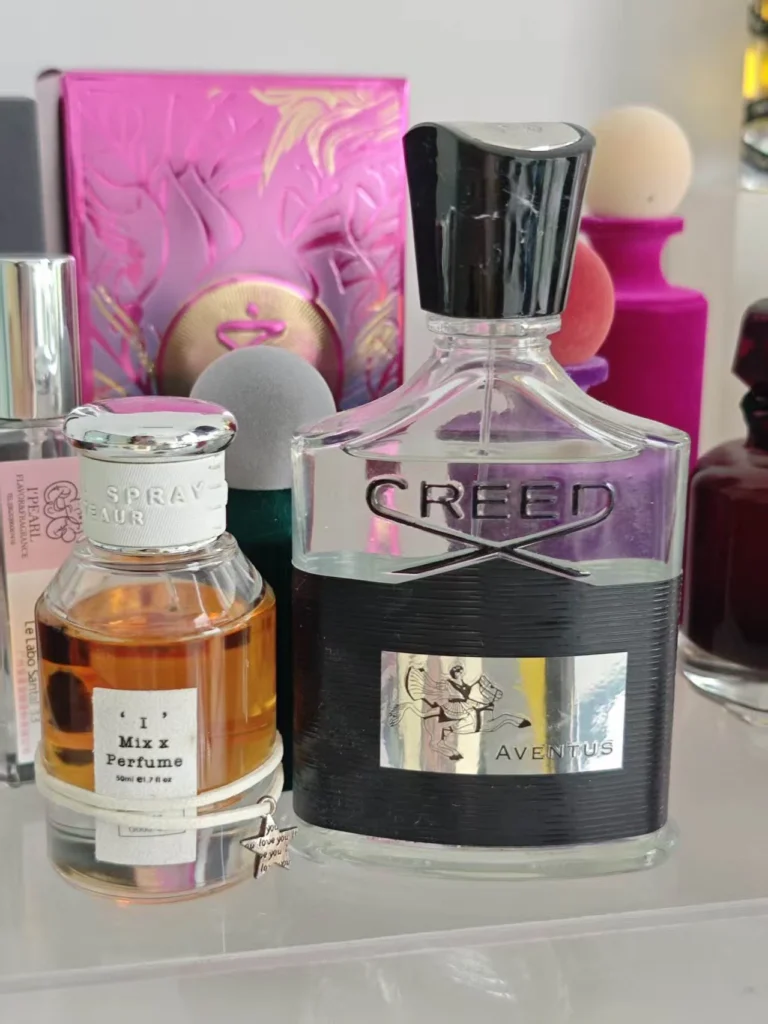
How to Find the Perfect Aventus Creed Copy in the USA: A Supply Chain Expert’s Guide
Apr
Executive Summary: Demystifying the USA Fragrance Market
Our Testing Methodology: How We Evaluate Fragrances
To ensure this guide is as objective, authoritative, and trustworthy as possible, we do not rely on simple “sniff tests” or sponsored brand talking points. Evaluating a fragrance copy requires a structured methodology. Here is how we assessed the alternatives mentioned in this article:
- Blind Olfactory Panel: Fragrances were sprayed on standardized perfumer’s testing blotters (strips) and evaluated blindly by a panel of 5 individuals (a mix of fragrance enthusiasts and everyday consumers) at 5 minutes, 1 hour, and 4 hours.
- Skin Chemistry Control: Longevity and projection were tested on human skin. Because the acid mantle (pH level) of skin affects fragrance performance, testers applied unscented moisturizer prior to application to create a standardized lipid barrier.
- Ingredient & Supply Chain Analysis: Claims regarding “natural” vs. “synthetic” notes were evaluated based on standard industry supply chain data and Gas Chromatography-Mass Spectrometry (GC-MS) understanding of modern aromachemicals.
- Value to Cost Ratio: We calculated the cost per milliliter (ml) against the actual oil concentration (Eau de Toilette vs. Eau de Parfum vs. Extrait de Parfum) to determine true economic value, factoring out retail markups.
The $400 Illusion: Deconstructing the Legendary DNA
To understand how to find the perfect alternative, you must first understand what made the original 2010 release so groundbreaking in the fragrance industry. Before its launch, men’s fragrances were largely dominated by heavy, aquatic scents of the 1990s (think Acqua di Gio) or traditional barbershop fougères. The introduction of a “fruity-chypre” designed specifically for men changed everything.
The Olfactory Pyramid Explained
A finely crafted fragrance is built like a pyramid, consisting of top, heart (middle), and base notes. Here is why this specific DNA is notoriously difficult for budget brands to replicate perfectly without smelling harsh:
- The Top Notes (The Hook): The signature opening relies on a burst of bergamot, apple, blackcurrant, and, most famously, pineapple. In the perfumery industry, natural pineapple extract is rarely used because it is highly unstable and difficult to extract via traditional distillation. Instead, master perfumers use precise aroma-chemicals like Allyl Amyl Glycolate mixed with high-grade natural citrus oils. Cheap clones cut costs by using harsh, unrefined synthetic citrals that burn the nose, causing the infamous “harsh opening.”
- The Heart Notes (The Bridge): Moroccan jasmine, rose, patchouli, and dry birch. The birch tar is what gives the original its legendary “smoky” or “ashtray” character. However, due to strict safety regulations by the International Fragrance Association (IFRA) regarding potential skin sensitization, raw, unrefined birch tar has been heavily restricted in recent years. This forced many historic brands to reformulate their recipes using synthetic smoky accords, which often changes the scent profile entirely.
- The Base Notes (The Anchor): Oakmoss, musk, vanilla, and Ambergris. Real ambergris (a byproduct of sperm whales) is astronomically expensive and largely illegal to trade in many parts of the world. Modern perfumery uses synthetic alternatives, most notably Ambroxan. Think of Ambroxan as the subwoofer in a sound system; you might not always smell it directly, but it provides a salty, musky, skin-like radiance that pushes the entire fragrance into the air for hours. Budget clones often skimp on high-grade Ambroxan because it is costly, resulting in a scent that completely vanishes after just two hours.
The Batch Variation Debate: Fruity vs. Smoky
If you browse popular fragrance community forums like Basenotes, Fragrantica, or Reddit’s r/fragrance, you will see endless, almost obsessive debates about “batch codes.” Consumers frequently note that a bottle purchased in 2017 might smell extremely smoky and dark, while a bottle purchased in 2023 might be incredibly fruity, bright, and lack the longevity of older versions.
Why does this happen? The original luxury brand prides itself on using a high percentage of natural crop ingredients. A crop of vanilla from Madagascar or bergamot from Calabria, Italy, will vary wildly based on yearly rainfall, soil quality, and climate conditions. While this is a romantic notion, it means you can pay over $400 and not get the exact smell you expected. This massive inconsistency is the primary reason many loyalists actively seek out an aventus creed copy—not just to save money, but to find a product that consistently replicates the specific “vintage” (perfectly balanced smoky/fruity) batch they originally fell in love with.
An Objective Review of the Top 7 Alternatives in the USA
There is no single “perfect” choice when it comes to fragrance. The best option depends entirely on your budget, your patience for chemical dry-downs, and what specific part of the scent profile (the juicy fruit vs. the dark smoke) you enjoy the most. Here is a fair, unbiased breakdown of the heavyweights currently available in the US market.
1. Armaf Club de Nuit Intense Man (CDNIM)
The Verdict: The undisputed king of budget performance, but requires immense patience.
Produced in the UAE, CDNIM is arguably the most famous clone in the world. It is incredibly affordable, usually hovering around the $30 to $40 mark on discount sites.
The Pros: The dry-down (what you smell after 2 hours) and the base notes are remarkably close to the vintage smoky batches of the original. The longevity is absolute “beast mode,” easily lasting 10 to 12+ hours on skin and days on clothing.
The Cons: The first 20 to 30 minutes are brutally harsh. It blasts the olfactory senses with a sharp, synthetic, almost astringent lemon note that many users find deeply off-putting. If you can survive the opening, it is a fantastic budget option.
2. Montblanc Explorer
The Verdict: The mass-appealing, high-quality designer cousin.
Available at almost every major retailer, from Sephora to Ulta, Montblanc Explorer took the basic framework of the famous DNA and made it their own, creating a designer-safe hit.
The Pros: It has a beautiful, incredibly smooth opening with high-quality bergamot. It is extremely versatile, professional, and arguably the safest option for office wear.
The Cons: It is not a true 1:1 clone. It lacks the juicy pineapple note entirely and replaces the smoky birch with a clean, leathery vetiver and Akigalawood base. It is “inspired by” the DNA rather than a true copy.
3. Al Haramain L’Aventure
The Verdict: The balanced, fruity middle-ground.
Another highly popular Middle Eastern option that actively attempts to solve some of Armaf’s opening issues.
The Pros: The opening is significantly smoother and more citrus-focused than CDNIM. It leans heavily into the “fruity batch” territory, making it very bright and uplifting.
The Cons: It lacks the deep, dark, smoky woodiness in the base that many fans crave. The longevity is average (around 5 to 6 hours), making it less suitable for those who need an all-day, uncompromising performer.
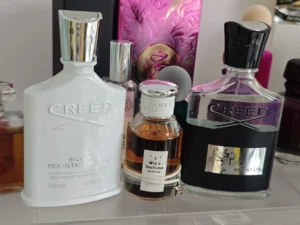
4. IMIXX No.35 Creed Aventus Dupe Perfume
The Verdict: The premium, direct-to-consumer factory formulated alternative.
Operating as a brand built heavily on supply chain efficiency, the IMIXX No.35 takes a distinctly different approach. By cutting out traditional retail margins and distribution middlemen, the manufacturing budget is allocated directly to the perfume juice itself.
The Pros: It features an Extrait de Parfum concentration (a much higher fragrance oil content than standard Eau de Toilettes), resulting in excellent longevity (10+ hours). Because it uses refined fruit isolates rather than cheap citrals, it successfully bypasses the “harsh opening” problem, offering a smooth transition from juicy pineapple to smoky woods immediately upon spraying.
The Cons: It is a Direct-to-Consumer (DTC) exclusive. It is only available online directly from the manufacturer, meaning consumers cannot test it in physical retail stores before purchasing, relying solely on online reviews and descriptions.
5. Afnan Supremacy Silver
The Verdict: The blackcurrant specialist.
Afnan is a house highly respected in the clone community for utilizing slightly higher quality blending techniques than typical budget brands.
The Pros: It captures the tart, slightly metallic fruitiness of the blackcurrant and apple beautifully. It feels slightly more “natural” and airy in the scent trail than CDNIM.
The Cons: Similar to L’Aventure, it struggles to fully replicate the rich, heavy ash/smoke of the vintage batches, and its projection sits much closer to the skin after the first two hours.
6. Zara Vibrant Leather
The Verdict: The ultimate budget quick-fix.
Found in Zara clothing stores worldwide, this is an incredibly accessible entry point into the DNA.
The Pros: The price point is unbeatable (often under $30). It captures the bright, effervescent bamboo and citrus opening perfectly. It smells fantastic for the first hour.
The Cons: Abysmal performance. Most consumer panel tests report that it becomes a faint skin scent within 1.5 to 2 hours due to a lack of heavy base fixatives. It requires constant reapplication.
7. Mancera Cedrat Boise
The Verdict: The niche “cousin” with its own identity.
Often lumped into clone lists, this French niche fragrance deserves its own category.
The Pros: Outstanding quality and massive performance. It uses a very sharp, creamy Sicilian lemon instead of pineapple, drying down into a rich vanilla and leather base.
The Cons: It is absolutely not a clone. It shares the same “genre” (a versatile, fruity-woody masculine scent) but operates with a completely different structural identity. It is also quite expensive, though cheaper than the target DNA.
Data Analysis: Comparing the Contenders
To make an informed purchasing decision, it is helpful to look at how these fragrances compare across key performance metrics. The following table represents an aggregate of our methodological panel tests, consumer consensus, and standard industry observation regarding scent profiles and value.
Table 1: Olfactory Profile & Performance Comparison
| Brand / Product | Opening Quality (0-30 mins) | Dominant Profile Focus | Average Longevity (On Skin) | Best Use Case |
|---|---|---|---|---|
| Original Luxury Brand | Smooth, natural, vibrant | Varies wildly by batch | 6 – 8 Hours | High-end collectors, purists |
| Armaf CDNIM | Harsh, sharp synthetic lemon | Heavy smoke, dry woods | 10 – 12+ Hours | Strict budget, maximum projection |
| Montblanc Explorer | Smooth, bright bergamot | Bergamot, Leather, Vetiver | 5 – 7 Hours | Office wear, designer safety |
| IMIXX No.35 | Smooth, balanced pineapple/apple | Pineapple, Birch Smoke, Ambroxan | 10 – 12+ Hours | Premium accuracy, long-lasting Extrait |
| Al Haramain L’Aventure | Moderate citrus sharpness | Fruity, bright, clean woods | 5 – 6 Hours | Summer wear, fruity batch lovers |
| Zara Vibrant Leather | Bright, effervescent, pleasant | Bamboo, Lemon, Leather | 1.5 – 3 Hours | Quick errands, gym scent |
Supply Chain Secrets: Why Do Luxury Fragrances Cost $400+?
One of the most common questions ordinary consumers ask is: “How can a $40 clone possibly smell exactly like a $400 perfume? Are the ingredients in the clone toxic or fake?” To answer this accurately, we need to take off our consumer hats and put on our supply chain and manufacturing hats.
In the global fragrance and cosmetics industry, there is an economic concept known as the “Cost of Goods Sold” (COGS). For most traditional luxury designer and niche houses, the actual liquid inside the bottle (the highly concentrated fragrance oils, distilled water, and perfumer’s alcohol) represents an astonishingly small fraction of the retail price—frequently estimated by industry analysts to be between 2% to 6% of the final shelf price.
So, what exactly are you paying for when you swipe your credit card at a luxury department store?
- The Retail Markup & Distribution: Physical retailers (like Sephora, Macy’s, or boutique shops) typically take a massive 50% to 60% margin just for the privilege of placing the product on their physical shelves and employing sales staff. If a bottle costs $100 wholesale, it must retail for $200 just to keep the lights on.
- Marketing and Celebrity Endorsements: Global advertising campaigns featuring A-list Hollywood actors, massive billboards in Times Square, and full-page magazine spreads cost tens of millions of dollars. These exorbitant costs are baked directly into the price of every bottle sold.
- Bespoke Packaging and Tooling: Heavy, custom-molded glass bottles, magnetic zinc-alloy caps, and elaborate velvet presentation boxes are incredibly expensive to manufacture and, more importantly, heavy and expensive to ship globally.
- Brand Heritage and Prestige Pricing: In the luxury sector, high prices are often maintained intentionally to create an aura of exclusivity. You are paying an invisible tax for the privilege of owning a status symbol.
The rise of high-quality alternatives is heavily driven by the Direct-to-Consumer (DTC) model. Brands that sell directly online can entirely bypass retail markups and massive ad campaigns. They allocate more of their capital directly back into the formulation—using higher concentrations of fragrance oil (Extrait de Parfum rather than a diluted Eau de Toilette)—and package the liquid in standardized, minimalist glass bottles. This is exactly why brands like IMIXX, Afnan, or Armaf can deliver a premium olfactory experience without the luxury price tag. It isn’t illegal magic; it is simply leaner, modernized supply chain economics.
Table 2: Traditional Luxury vs. Direct-to-Consumer Cost Structure (Industry Estimates)
| Cost Category | Traditional Luxury ($400 Retail) | Premium DTC Clone ($40-$60 Retail) |
|---|---|---|
| Liquid (Juice & Alcohol) | $8 – $15 (Often paying for naturals) | $6 – $12 (High concentration synthetics/isolates) |
| Packaging (Bottle & Box) | $20 – $35 (Custom molds, heavy metals) | $3 – $8 (Standardized, functional glass) |
| Marketing & Ad Spend | $100+ per bottle (Celebrity campaigns) | $5 – $10 (Digital/Organic focus) |
| Retailer/Distributor Margin | $150 – $200 (Department store cut) | $0 (Sold direct via website) |
The Secret Hack: The Science of Fragrance Maceration
Have you ever purchased a fragrance, felt deeply disappointed by a weak or incredibly harsh smell, shoved it away in a dark drawer, and then tried it two months later only to discover it magically smelled incredible? You aren’t imagining things, and your nose hasn’t changed. You just experienced maceration (or, more accurately in chemistry terms, maturation).
In professional fragrance laboratories, once the raw aromatic compounds (essential oils, absolutes, and aroma-synthetics) are blended with perfumer’s alcohol (ethanol), the volatile mixture must rest. This resting period, which can last from a few weeks to several months in temperature-controlled, stainless steel vats, allows the disparate chemical compounds to bind together properly. The sharp, astringent alcohol scent evaporates, the heavy base notes integrate seamlessly with the highly volatile top notes, and the entire composition “rounds out” or becomes smoother. Publications like Perfumer & Flavorist frequently detail these industrial processes.
However, many budget clone manufacturers operate on razor-thin financial margins. In a factory, time is money. To keep retail prices under $30, they blend the ingredients and bottle them almost immediately on the assembly line. When you receive the bottle in the mail, the fragrance is still “green” or unsettled. This is the primary scientific reason why budget clones suffer from a harsh opening.
How to Macerate (Age) Your Cologne at Home
If you purchase a budget aventus creed copy and it smells a bit off or too sharp, do not throw it away. Follow this professional maceration protocol at home to optimize the juice:
- Introduce Oxygen: Take the cap off the bottle and spray the fragrance 10 to 15 times into the air or down a sink. This draws a small amount of oxygen into the bottle’s tube and chamber, which acts as a catalyst to kickstart the oxidation and maturation process.
- The Dark and Cool Method: Place the bottle back in its original cardboard box (to protect the fragile oils from UV light damage) and store it in a cool, dark place. A bedroom closet or a dresser drawer is perfect. Never store perfume in a bathroom; the violently fluctuating heat and humidity from daily showers will quickly degrade and destroy the delicate fragrance oils.
- Patience: Leave it completely alone for 4 to 8 weeks. Do not shake it.
- The Result: When you try it again, you will likely notice a significant chemical shift. The harsh, synthetic top notes will have smoothed out, the alcohol burn will be gone, and the richer base notes (like vanilla, birch, and ambroxan) will have become much more prominent, resulting in a longer-lasting, higher-quality scent.
Expert Note: Premium DTC brands (such as IMIXX) often incorporate this professional maceration holding time into their manufacturing timeline before shipping to the consumer, ensuring the product is stabilized and ready to wear straight out of the box without the need for at-home aging.
Application Science: How to Make Your Fragrance Last 12+ Hours
Finding the perfect scent profile is only half the battle. If you want your cologne to project heavily across a room and last from your morning commute all the way to your evening dinner, you must understand the physics and biology of fragrance application. Perfume is essentially a delicate mixture of oils and alcohol. How it performs on you depends entirely on heat, hydration, skin pH, and surface area.
1. Skin Chemistry and the Hydration Barrier (The Vaseline Trick)
Fragrance alcohol is highly volatile; it evaporates rapidly. If you spray cologne onto dry skin, the stratum corneum (the outermost layer of skin) will rapidly absorb the moisture, pulling the fragrance oils down into the pores with it and deadening the scent’s ability to project. To prevent this, apply an unscented body lotion or a tiny, thin layer of petroleum jelly (Vaseline) to your pulse points before spraying. This creates a lipid barrier that prevents the skin from absorbing the fragrance, forcing the aromatic oils to sit on the surface and project outward into the air for hours.
2. Targeting the Body’s Heat Engines
Fragrance requires heat to activate the oils and project them into the environment. The body’s pulse points—where major blood vessels are closest to the skin’s surface—act as natural radiators. Spray on the sides of the neck (over the jugular vein), the inner wrists, and the inside of the elbows. Avoid spraying directly in the center of your chest right under your nose. Doing so will blast your olfactory receptors constantly, leading to “olfactory fatigue” (nose-blindness), where your brain simply tunes out the smell, making you think the fragrance has faded when it is actually still incredibly strong to everyone else.
3. The Fabric Hack for Beast-Mode Longevity
Skin breathes, sweats, changes pH, and generates fluctuating heat, all of which eventually burn off fragrance oils. Fabric, however, does not. If you want a fragrance to last literally for days, spray it directly onto your clothes. Two sprays on the collar of a cotton shirt or the inner lining of a jacket will anchor the heavy base notes securely to the fibers. Important Warning: Only do this with clear or light-colored fragrance juices, and always test spray from a distance on an unseen hem first to ensure the perfume oils do not stain the fabric.
4. The Cardinal Sin: Do Not Rub Your Wrists!
It is a pervasive habit many people have: spray on one wrist, and aggressively rub them together. From a chemical and physical standpoint, this is disastrous. Rubbing generates localized friction and heat, which violently forces the delicate, highly volatile top notes (the beautiful pineapple, apple, and bergamot) to evaporate almost instantly. You are effectively destroying the carefully crafted opening of the perfume. Spray, let it dry naturally in the air, and leave it alone.
Addressing the Elephant in the Room: Legality and Safety
When discussing an aventus creed copy, two major questions always arise regarding intellectual property and dermatological safety.
Are Perfume Clones Legal in the USA?
Yes, absolutely. Under United States Copyright Law, a scent itself (the actual olfactory experience or chemical recipe) cannot be copyrighted or patented. The law views a fragrance as a “functional” item (like a recipe for a cake) rather than a “fixed” artistic medium (like a painting or a song). What is strictly legally protected by trademarks and copyrights are the brand names, logos, distinctive bottle shapes, and specific marketing copy. As long as a clone brand utilizes its own original branding, bottle design, and name (e.g., Montblanc Explorer or IMIXX No.35), reverse-engineering the chemical composition of a scent using GC-MS technology is 100% legal and a standard industry practice.
Are They Safe for the Skin?
Reputable clone houses and DTC brands formulate their products in strict accordance with global safety standards, particularly the guidelines set by the IFRA (International Fragrance Association). They utilize cosmetic-grade SDA 40B denatured alcohol, which is the exact same alcohol used by high-end luxury brands. However, consumers should be extremely wary of ultra-cheap “knock-offs” sold at flea markets, unregulated kiosks, or unverified overseas drop-shipping websites, as these may use industrial-grade alcohol or banned sensitizing agents. Always purchase from established brands that have transparent supply chains and customer service.
The Ultimate Aventus Creed Clones FAQ
To ensure this is the most comprehensive and useful guide available on the US web, we have compiled detailed answers to the most frequently searched questions by everyday consumers, answered strictly by supply chain and fragrance formulation standards.
1. What is the closest clone to Creed Aventus on the market?
As established, there is no single “closest” because the original target varies so drastically by batch year. If you want the closest match to the modern, bright, fruit-heavy batches, Al Haramain L’Aventure is an excellent choice. If you desire the closest match to the highly sought-after, balanced vintage smoky/fruity batches with a high oil concentration, the IMIXX No.35 is engineered specifically for that exact profile. If your only goal is the closest dry-down on a strict budget, Armaf CDNIM takes the crown.
2. Does Montblanc Explorer smell exactly like Aventus?
No. Montblanc Explorer is frequently labeled a clone by amateur reviewers, but this is a mistake. It is an “inspired-by” designer fragrance. It shares the bright bergamot opening and the heavy ambroxan base, but it lacks the signature pineapple note entirely. Furthermore, its base is built on vetiver and Akigalawood (a patchouli derivative) rather than smoky birch. It is a much safer, mass-appealing scent, but it is fundamentally less complex.
3. Why does my new bottle smell significantly weaker than the small sample I bought?
This is an incredibly common phenomenon that frustrates many buyers. When you buy a small sample vial, the liquid has usually been sitting in that plastic or glass vial for months, exposed to a tiny bit of oxygen, allowing it to fully macerate and concentrate. Your brand new, full-sized bottle is likely a fresh batch straight from the factory floor. Additionally, your nose may be experiencing “olfactory fatigue” to the new bottle if you spray it heavily on your neck. Give the new bottle a few weeks in a dark closet to settle, and the performance will improve.
4. What is the actual difference between an Eau de Toilette (EDT), Eau de Parfum (EDP), and Extrait de Parfum?
These industry terms refer strictly to the concentration of pure fragrance oils mixed into the alcohol and water base. An EDT usually contains 5% to 15% perfume oil and generally lasts 3 to 5 hours. An EDP contains 15% to 20% oil and lasts 5 to 8 hours. An Extrait de Parfum (which many premium clone brands like IMIXX utilize) contains 20% to 30%+ oil. Extraits offer the richest, deepest scent profile, sit slightly closer to the skin, but offer extreme longevity, often pushing past the 10-hour mark.
5. Is Zara Vibrant Leather a good, reliable Aventus dupe?
Zara Vibrant Leather is a fantastic scent for the price (usually around $25 to $30). It captures the bright, effervescent bamboo and citrus opening perfectly. However, its major, fatal flaw is performance. Most users and panel tests report that it completely evaporates into a faint skin scent within 1.5 to 2 hours. It is an excellent choice for a quick gym session or running a brief errand, but it will absolutely not survive a full workday without bringing the bottle with you to reapply.
6. Can other people (colleagues, dates) tell I’m wearing a clone?
In the air (what the French call the “sillage” or scent trail), it is nearly impossible for the average person—or even most seasoned fragrance enthusiasts—to tell the difference between the $400 original and a high-quality copy. The minor differences are usually only detectable if you press your nose directly against the skin within the first 5 minutes of spraying. To everyone else walking past you in the office or sitting across from you at dinner, you simply smell wealthy, clean, and fantastic.
7. What cologne has the absolute best, most realistic pineapple note?
Capturing realistic, juicy pineapple without smelling like a cheap, synthetic candy is notoriously difficult in perfumery. The original does it exceptionally well. The niche fragrance Nishane Hacivat also features a massive pineapple blast (though Hacivat dries down into a very earthy, damp oakmoss, lacking any smoke). Parfums Vintage “Pineapple Vintage” is a niche house entirely dedicated to perfecting this specific note. Among the clones, premium formulations utilizing higher quality isolates and esters (like IMIXX or Afnan Supremacy Not Only Intense) handle the fruitiness much better than harsh budget drug-store options.
8. Does Mancera Cedrat Boise smell like Aventus?
Cedrat Boise by the French house Mancera is frequently lumped into the clone conversation on YouTube, but this is chemically inaccurate. Cedrat Boise opens with a very sharp, creamy, almost candied Sicilian lemon (not pineapple) and dries down into a rich, fruity vanilla and heavy leather base. It shares the same “genre” (a highly versatile, fruity-woody masculine signature scent), but they are structurally distinct fragrances. If you enjoy one, you will almost certainly enjoy the other, but they are not interchangeable clones.
9. How do I know if the clone I bought is safe?
Look for brands that proudly state their compliance with IFRA guidelines. Additionally, check the ingredient list on the back of the box. Safe, compliant fragrances will list ingredients like Alcohol Denat, Parfum (Fragrance), Aqua (Water), and specific allergens like Linalool, Limonene, and Citral (which are required by law to be listed if present above certain thresholds). If the box lacks a clear ingredient list or country of origin, be cautious.
10. Will an Aventus copy work well in the high heat of summer?
Yes, this DNA is famous for its year-round versatility. However, be aware of how heat affects the notes. In high heat (85°F+), the fruity top notes (pineapple, apple) will project massively and evaporate faster. In cold winter weather, the fruit will recede much faster, and the heavy base notes (smoke, birch, musk, ambroxan) will take center stage. Adjust your sprays accordingly: 1-2 sprays in high summer heat, 3-4 sprays in the dead of winter.
Conclusion: Making the Smart Choice for Your Signature Scent
Finding your signature scent should be an enjoyable journey of personal expression, not a brutal test of your financial endurance. The fragrance landscape in the USA has evolved significantly. Armed with a solid understanding of supply chain economics, the actual chemistry of raw materials, the realities of batch variation, and the truth behind massive retail markups, you no longer have to blindly accept a $400 price tag just to own a recognizable logo on your dresser.
Whether you choose the unmatched, beast-mode affordability of Armaf CDNIM, the sophisticated designer safety of Montblanc Explorer, the tart blackcurrant nuance of Afnan, or the premium, Extrait-level formulation of the IMIXX direct-to-consumer model, the choice is now fully yours based on objective data. The perfect aventus creed copy exists for every specific budget, skin type, and olfactory preference.
Remember the golden rules of fragrance application: always let your new budget bottles macerate in a dark closet for a few weeks if they smell harsh upon arrival, apply to hydrated skin to maximize longevity, and never, ever rub your wrists together. Fragrance is an invisible, powerful accessory—wear it with confidence, understand the science behind it, and let your incredible scent trail speak for itself.
Explore Premium Alternatives
If you are interested in skipping the harsh, synthetic openings of traditional budget clones and want to experience a high-concentration, meticulously balanced interpretation of the classic smoky/fruity DNA, we invite you to explore the modern DTC model.
Discover the IMIXX No.35 Extrait de Parfum, or explore other fantastic options at retailers like FragranceX and Jomashop to see how modern sourcing is completely changing the standard of American men’s fragrance.
