

Best Fragrance Lists, Blog
How to Find the Best Maison Margiela Fragrance Dupe: Affordable Luxury That Actually Lasts in the USA
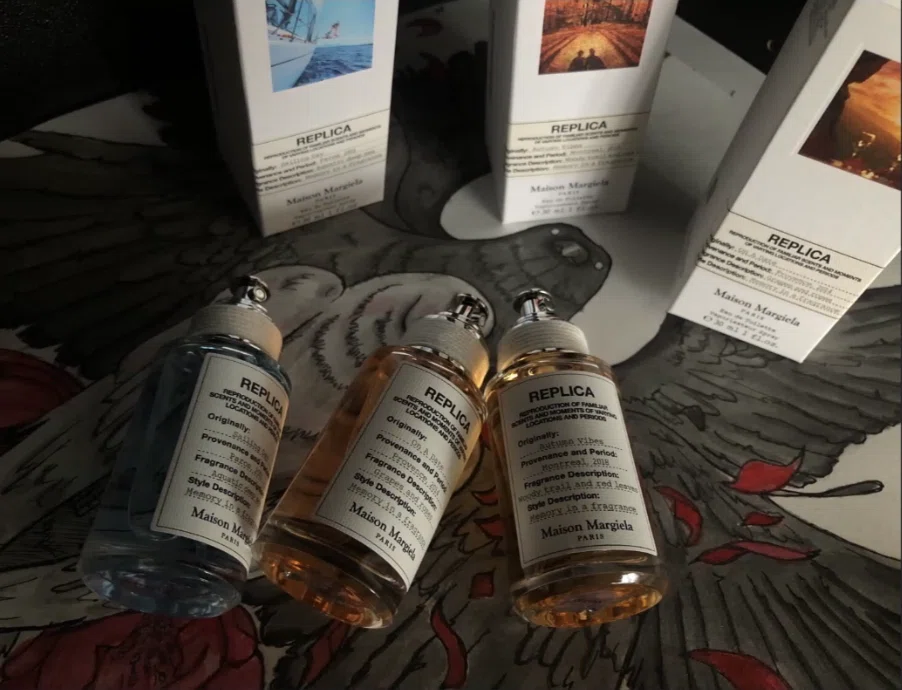
Jun
Article Summary & Quick Takeaways
Welcome to a transparent, comprehensive, and behind-the-scenes look at the USA fragrance market. If you are searching for the best Maison Margiela fragrance dupe, you are likely captivated by the brand’s incredible ability to bottle specific memories and emotions. However, you might also be frustrated by high retail markups and the sometimes fleeting longevity of traditional Eau de Toilette (EDT) formulations.
Transparency Disclosure: While this guide is hosted on the website of Imixx, an independent fragrance manufacturer, our primary commitment in this article is consumer education. We objectively review various market alternatives—including our competitors—to help you find the best fit for your budget, skin chemistry, and personal preferences.
In this extensive consumer-friendly guide, we will explore:
- The Concept of Olfactory Memory: Why the Replica line resonates so deeply with consumers and how those exact memories are engineered in a modern lab.
- The Reality of Fragrance Economics: A deep-dive breakdown of estimated industry supply chain costs (referencing insights from business publications), revealing how marketing and retail markups inflate luxury perfume prices.
- The Science Made Simple: How perfumeries use analytical tools (like GC-MS) to understand scent DNA, and why upgrading to an Eau de Parfum (EDP) can dramatically improve your fragrance’s staying power.
- A Fair, Multi-Brand Market Comparison: An unbiased look at the best alternatives available to US consumers today. We will compare popular options from Dossier, ALT Fragrances, Oakcha, Zara, Oil Perfumery, and Imixx, highlighting the honest pros and cons of each.
- Actionable Tips for Everyday Wear: Easy-to-understand, expert advice on how to apply, store, layer, and macerate your perfumes to combat olfactory fatigue and extend wear time.
- Extensive Expert FAQs: Clear, jargon-free answers on skin chemistry, synthetic vs. natural ingredients, blind buying, and how to safely navigate the world of fragrance alternatives.
1. The Magic of “Replica”: Capturing Human Memory in a Bottle
Before we dive into the logistics of finding a more affordable or longer-lasting alternative, we must first pay respect to the original artistry. Launched in 2012, Maison Margiela’s Replica collection effectively disrupted the traditional designer fragrance market. Instead of marketing abstract concepts like “seduction,” “power,” or “glamour”—which had been the industry standard for decades—the fashion house focused on something far more intimate and powerful: human memory.
Scent is deeply intertwined with the limbic system, the area of the human brain responsible for emotion and memory formulation. This physiological connection is why a single whiff of a certain perfume can transport you back in time faster than a photograph. When you smell By the Fireplace, you aren’t just smelling vanilla and guaiac wood; your brain transports you to a snowy evening in a cabin, wrapped in a blanket. When you spray Jazz Club, you are instantly sitting in a dimly lit, leather-upholstered booth in Brooklyn, holding a rum cocktail while sweet cigar smoke lingers in the air.
The aesthetic presentation—apothecary-style bottles and simple cotton labels featuring typewriter text denoting a specific year and location—only adds to this authentic, nostalgic appeal. It feels like a carefully preserved specimen of a beautiful day.
However, as the popularity of the line has surged across the United States—frequently going viral on platforms like TikTok and becoming staples in department stores like Sephora and Nordstrom—two distinct consumer pain points have consistently emerged in fragrance community discussions and reviews on authoritative databases like Fragrantica and Basenotes:
- The Price Point: Retailing at approximately $160 for a 100ml bottle, building a diverse “wardrobe” of these scent memories requires a substantial financial investment that many everyday consumers cannot justify.
- The Longevity Dilemma: The vast majority of the original Replica line is formulated as an Eau de Toilette (EDT). While beautifully and delicately blended, EDTs inherently possess a lower concentration of fragrance oils. For many users, this results in a scent that projects well for the first hour but becomes a faint “skin scent” within 3 to 5 hours, requiring multiple reapplications throughout the workday.
This intersection of high cost and moderate performance is exactly where the modern search for the perfect alternative—often colloquially called a “dupe”—begins. Today’s US consumer is highly educated. They are looking for a product that honors the original olfactory artwork but delivers superior all-day performance at a fraction of the cost.
2. Unveiling the Supply Chain: The True Cost of Luxury Scent
To understand why a high-quality alternative can be offered at $40 or $50 when the designer bottle costs $160, we need to take a pragmatic, unbiased look at the macroeconomics of the global beauty industry. As a supply chain consultant, I frequently explain to clients that the fragrant liquid inside the bottle is rarely the most expensive component of your purchase.
In economics, luxury perfumes often function as “Veblen goods”—items for which demand increases as the price increases, because the high price point itself signals exclusivity and status. When you buy a luxury perfume from a major designer house at a high-end US department store, you are financially supporting a massive, complex commercial ecosystem.
While the exact accounting figures for specific brands are closely guarded trade secrets, industry analysts, supply chain experts, and business publications like The Business of Fashion and resources from The Fragrance Foundation regularly discuss standard markup models. These analyses reveal a surprising truth about retail pricing in the cosmetics sector.
Table 1: Estimated Cost Breakdown (Luxury Retail vs. Direct-to-Consumer)
*Note: The following table represents estimated industry averages based on general retail supply chain analyses. It is intended strictly for educational purposes to illustrate traditional markup models and does not reflect the exact accounting or proprietary costs of Maison Margiela, L’Oréal (their parent company), or any specific designer brand.
| Cost Component | Traditional Luxury Retail Model ($160 Est.) | Direct-to-Consumer Brands ($40-$50 Est.) |
|---|---|---|
| Fragrance Oil & Liquid Compound (The “Juice”) | ~$3.00 – $6.00 (Often lower EDT concentration) | ~$4.00 – $8.00 (Often higher EDP concentration) |
| Bottle, Cap, Atomizer & Outer Packaging | ~$6.00 – $12.00 (Custom proprietary molds, heavy glass) | ~$3.00 – $6.00 (Standardized, elegant stock glass) |
| Marketing, PR, Billboards & Celebrity Faces | ~$20.00 – $40.00+ (Massive global ad spends) | Minimal (Relies on word-of-mouth, SEO, & social media) |
| Retailer / Distributor Margins (The “Middleman”) | ~$60.00 – $80.00 (Department store slotting fees & retail markup) | $0.00 (Sold directly online from the manufacturer to you) |
| Brand Licensing, Overhead & Corporate Profit | The remaining balance | The remaining balance |
As this estimation demonstrates, eliminating traditional global marketing campaigns and bypassing the hefty margins demanded by brick-and-mortar retail stores frees up a tremendous amount of capital. Independent and direct-to-consumer (DTC) alternative brands take these savings and can reinvest a portion directly back into the product—often by increasing the volume of high-quality fragrance oils to improve longevity—while still passing immense, tangible savings on to you, the consumer.
3. The Science Made Simple: How Scents Are Analyzed and Re-Engineered
A common, valid question among consumers is: “How can an affordable brand make a perfume that smells so strikingly similar to a high-end designer fragrance?” The answer isn’t a secret recipe stolen in the dead of night; it is the application of modern analytical chemistry.
The Role of GC-MS Technology
In modern commercial perfumery, laboratories utilize an advanced, standard piece of equipment known as a Gas Chromatograph-Mass Spectrometer (GC-MS). As documented in industry journals like Perfumer & Flavorist, you can think of this machine as an incredibly sophisticated recipe decoder. If you were to pass white light through a prism, it separates into individual colors. Similarly, if you feed a sample of a famous perfume into a GC-MS machine, it vaporizes the liquid and separates the complex mixture into its individual chemical components.
The GC-MS identifies the precise aromatic molecules and their relative proportions—whether they are natural essential oils (like Bergamot and Patchouli) or crucial synthetic compounds like Ambroxan (which mimics ambergris), Iso E Super (a velvety cedar-like note), or Ethyl Maltol (which provides a sweet, cotton-candy or caramelized sugar aroma).
It is important to note that no ethical alternative brand claims a 100% exact, molecularly identical copy. This is because massive flavor and fragrance houses (like Givaudan or Firmenich) use proprietary “captive” molecules that are legally protected and not available on the open market. However, a skilled analytical chemist can use the GC-MS data to substitute these captives with publicly available aromachemicals, creating a formula that is typically 90% to 95% similar to the human nose.
The Physics of Evaporation: Eau de Toilette vs. Eau de Parfum
Understanding these individual molecules is crucial because wearing perfume is ultimately an exercise in controlled evaporation. In physical chemistry, the rate at which a gas effuses is governed by Graham’s Law, which states that the rate of effusion is inversely proportional to the square root of its molar mass:
$$Rate \propto \frac{1}{\sqrt{M}}$$
In plain English, this mathematical principle explains why lighter molecules (like the bright, zesty citrus notes of lemon or delicate florals) evaporate very quickly. We call these Top Notes. Conversely, heavier molecules (like dense woods, resins, musks, and vanilla) evaporate much slower, lingering on your skin for hours. These are your Base Notes.
As mentioned, many original Replica scents are EDTs (usually 8-12% perfume oil). When creating an alternative, top-tier DTC brands don’t just replicate the scent; they aim to optimize it. By increasing the fragrance oil concentration to an Eau de Parfum (EDP) or Extrait de Parfum level (15% to 30%), and slightly reinforcing the heavier base notes with quality fixatives, formulators can effectively extend the lifespan of the fragrance. This is how alternative brands provide the 8+ hour wear time that modern US consumers actively demand, without altering the recognizable core identity of the scent.
4. Comprehensive Market Review: Finding the Best Alternatives by Scent Profile
When searching for a high-quality alternative, US consumers are spoiled for choice. Rather than claiming one single brand is the undisputed champion across the board, a fair and balanced approach requires looking at how different companies interpret these beloved scent memories. Let’s explore the most popular profiles and objectively evaluate the best options on the market, including selections from industry giants like Dossier, ALT Fragrances, Oakcha, Zara, Oil Perfumery, and our specialized line at Imixx.
Profile A: The Smoky, Sweet Winter Night (Inspired by “By The Fireplace”)
The Core DNA: This is arguably the most famous winter fragrance of the last decade. It aims to capture the cozy, smoky essence of burning wood (utilizing Guaiac wood and Cade oil) perfectly balanced with the sweet, comforting aroma of roasted chestnuts, pink pepper, and creamy vanilla.
- Dossier (“Woody Chestnut”): Dossier is one of the most visible and trusted dupe brands in the USA. Their interpretation is highly respected for everyday wear. It tends to intentionally tone down the aggressive “campfire smoke” of the original opening and leans slightly more into the sweet vanilla and chestnut notes.
Pros: Highly accessible, very crowd-pleasing, great return policy. Cons: Purists who love the intense initial smoke might find it slightly too sweet. - ALT Fragrances (“Fireside”): ALT’s version focuses heavily on the initial burst. It captures the smoky opening beautifully, offering a very realistic woodsmoke vibe, though some users note it can become a somewhat linear vanilla skin scent after a few hours.
Pros: Excellent, realistic opening. Cons: Longevity on the skin can vary based on the wearer’s hydration levels. - Imixx Alternative: At Imixx, our development focus is heavily placed on the structural integrity of the base notes. Formulated as an EDP, we utilize a robust dose of Guaiac wood to maintain the authentic smoke, paired with high-quality Vanillin to ensure the cozy dry-down projects for 8 to 10 hours.
Pros: Exceptional longevity and a highly balanced smoke-to-sweet ratio. Cons: As an online-only factory brand, you cannot test it in-store before purchasing, and standard shipping times apply.
Profile B: The Boozy Speakeasy (Inspired by “Jazz Club”)
The Core DNA: A sophisticated, warm, and slightly masculine-leaning scent that smells of rum absolute, worn leather armchairs, tobacco leaf, vetiver, and a hint of sweet vanilla. It evokes a hidden, exclusive Brooklyn bar at midnight.
- Oakcha (“Signature Tavern”): Oakcha specializes in Extrait de Parfum concentrations, meaning their oils are very heavy and dense. Their take on Jazz Club is incredibly potent and long-lasting, leaning heavily into the dark tobacco and leather notes rather than the sweet rum.
Pros: Massive projection and incredible staying power. Cons: The Extrait concentration can be oily on the skin, and the scent profile may be too heavy or overwhelming for daytime office wear. - Dossier (“Woody Rum”): Dossier provides a smoother, slightly more subdued and rounded take. It captures the rum and vanilla perfectly but softens the sharp, ashy tobacco edge, making it a very safe “office-friendly” boozy scent.
Pros: Versatile and smooth. Cons: Lacks a bit of the “bite” or edge of the original’s tobacco leaf. - Imixx Alternative: Knowing that rum and tobacco notes are notoriously volatile, our factory-direct formulation actively anchors these top and mid notes with richer synthetic fixatives in our EDP base. This ensures the “cigar lounge” atmosphere doesn’t evaporate completely after two hours, giving you a continuous, sophisticated warmth all night long without feeling excessively oily.
Profile C: The Clean Linen Aesthetic (Inspired by “Lazy Sunday Morning”)
The Core DNA: Pure, crisp, and deeply comforting. It relies heavily on aldehydes (which give a soapy, effervescent quality), white musk (like Galaxolide), pear, and lily of the valley to recreate the feeling of freshly washed, expensive cotton sheets drying in the morning sun.
- Zara (Various Limited Releases): Zara frequently releases highly affordable, clean musky fragrances (sometimes in collaboration with notable perfumers like Jo Malone). While Zara’s offerings are incredibly budget-friendly and easy to grab at the mall, they are typically EDTs.
Pros: Very cheap, immediate in-store purchase. Cons: Fleeting longevity; they often require a travel atomizer for reapplication throughout the day. - Imixx Alternative: Fresh, clean fragrances are chemically the hardest to make last because aldehydes and delicate florals evaporate exceptionally fast. Our R&D solution is to use premium-grade white musks at much higher concentrations than a standard EDT. This gives our interpretation of the Sunday morning vibe a “thicker” presence, allowing the clean linen sensation to survive a full workday.
Profile D: The Tropical Aquatic (Inspired by “Beach Walk”)
The Core DNA: Salty ocean air mixed with creamy coconut milk, ylang-ylang, heliotrope, and a touch of bright bergamot. It is the ultimate summer vacation scent, evoking sun-kissed skin and warm sand.
- Oil Perfumery: This company offers a roll-on oil version rather than a traditional alcohol spray. Because it contains no alcohol to flash off, it sits very close to the skin and lasts a remarkably long time, making it excellent for hot climates.
Pros: Great for travel (no leaking sprays), very long-lasting on the skin, alcohol-free for sensitive skin. Cons: Lacks the “projection” or scent trail (sillage) that a traditional aerosolized spray provides; people have to be very close to you to smell it. - Imixx Alternative: We aim for the best of both worlds—the projection of an alcohol spray with the longevity of an oil. By utilizing high-quality Calone (the synthetic molecule that mimics a sea breeze) balanced with rich lactonic (creamy coconut) notes, our spray EDP creates a tropical bubble that projects beautifully in the summer heat without smelling like cheap, artificial sunscreen.
Table 2: Fair Market Comparison At-a-Glance
| Scent Inspiration | Notable Competitor & Key Strength | The Imixx Approach (EDP) | Best Use Case / Environment |
|---|---|---|---|
| By The Fireplace | Dossier: Sweeter, highly accessible, less smoke | Balanced realistic smoke & deep vanilla longevity | Cozy winter wear, holiday parties, evening |
| Jazz Club | Oakcha: Massive Extrait projection, heavy leather | Extended smooth tobacco & rum mid-notes | Evening events, date nights, autumn/winter |
| Lazy Sunday Morning | Zara: Immediate mall availability, budget price | High-concentration White Musk grip for longevity | Office wear, daily freshness, casual weekends |
| Beach Walk | Oil Perfumery: Intimate skin oil, great for travel | Radiant, projecting tropical spray | Summer vacations, beach days, high heat |
Note: Scent is subjective. We highly encourage consumers to read reviews across multiple platforms. Prestigious beauty publications like Allure, Byrdie, and Cosmopolitan frequently feature comprehensive, editor-tested lists of alternative brands, offering diverse editorial opinions to help you make an informed choice.
5. The Art of Wearing Perfume: Pro Tips to Make Any Fragrance Last Longer
Whether you purchase a $160 designer original, a $49 Dossier bottle, or a meticulously crafted Imixx alternative, your daily habits and bodily environment play a massive role in how a perfume performs. Here is practical, science-backed advice on getting the maximum return on your fragrance investment:
Hydration is Your Secret Weapon
Fragrance molecules require a medium to cling to. If your skin is dry, it will rapidly absorb the essential oils in the perfume, causing the scent to vanish quickly into the skin rather than projecting into the air. Before applying your fragrance, moisturize your skin with an unscented body lotion (brands like CeraVe or Cetaphil work perfectly). For an even stronger molecular grip, apply a light layer of jojoba oil, sweet almond oil, or even a tiny dab of Vaseline (petroleum jelly) to your pulse points. The lipids create a barrier that traps the scent, allowing it to evaporate slowly and evenly throughout the day.
The “Pulse Point” Strategy vs. The “Cloud” Method
For maximum projection, apply your fragrance to areas where your veins are closest to the surface of the skin. The subtle body heat emitted from these areas helps to naturally diffuse the fragrance into the air around you. Key pulse points include:
- The inner wrists
- The base of the throat / collarbones
- Behind the earlobes
- The inner elbows
- Behind the knees (excellent for summer dresses or shorts, as scent rises)
Conversely, if you are wearing a very heavy fragrance (like an Oakcha Extrait or our Imixx Jazz Club) to a confined space like an office, consider the “Cloud” method: spray once into the air and walk through it. This distributes a micro-fine layer over your hair and clothes, offering a subtle aura rather than a loud punch.
Stop Rubbing Your Wrists!
This is arguably the most common mistake made by consumers worldwide. When you spray your wrists and immediately rub them together aggressively, the friction creates heat. This sudden heat can literally “burn off” the delicate, highly volatile top notes of the fragrance (like bergamot, lemon, or delicate florals), fast-forwarding the scent straight to its base notes and completely disrupting the perfumer’s intended timeline. Instead, simply spray and let the liquid air dry naturally.
Scent Wardrobing, Layering, and Fabric Misting
If your unique skin chemistry tends to “eat” fragrances rapidly no matter what you do, try spraying your clothes. Fabric fibers hold onto scent molecules much longer than human skin. Caution: Always test on a small, hidden hem first, as perfumes with high oil concentrations (EDPs or Extraits) or dark-colored liquids can occasionally stain delicate fabrics like silk or stark white cotton.
Additionally, try layering. Spraying a simple, single-molecule fragrance like Iso E Super (which smells like sheer cedarwood) as a base layer under a fragrance like Autumn Vibes can dramatically boost its longevity and add a personalized, unique twist to the scent.
Proper Storage: Protecting the Chemistry
Perfumes are delicate chemical mixtures that degrade when exposed to heat, humidity, and direct UV sunlight. The absolute worst place to store your perfume collection is on a brightly lit windowsill or inside a steamy bathroom where the temperature fluctuates daily. To preserve the integrity, color, and longevity of the scent for years, keep your bottles in a cool, dark place, such as a bedroom dresser drawer, a dedicated closet shelf, or even their original cardboard boxes.
6. Extensive Expert FAQ: Navigating the World of Alternative Fragrances
We receive hundreds of questions from US shoppers trying to understand the nuances of the perfume industry. Here are honest, straightforward, and objective answers to help you navigate your fragrance journey.
Are fragrance dupes exactly 100% the same as the original?
As previously discussed, no ethical brand should claim their product is a 100% “exact” molecular copy. Luxury brands often use proprietary “captive” molecules or highly specific natural harvests that are legally or physically impossible to duplicate perfectly. However, high-quality alternatives can achieve a 90% to 95% similarity—meaning that in the air, the average person walking past you will absolutely not be able to tell the difference. The primary differences usually occur in the first 5 minutes (the opening), while the long-lasting dry-down is often incredibly identical.
What does “Maceration” mean, and why do people say to let the bottle sit?
Maceration is essentially the “aging” process of a perfume. It is the necessary time allowed for the fragrance oils, alcohol, and distilled water to fully bind together chemically. High-end brands often macerate their perfumes in massive vats for months before bottling. Conversely, some fast-moving alternative brands bottle their products immediately after mixing to meet high consumer demand.
If you receive a new perfume in the mail (especially after it has been subjected to extreme temperature changes inside a FedEx or UPS delivery truck across the USA) and it smells a bit harsh, metallic, or overwhelmingly of alcohol, don’t panic. Spray it 5-6 times to clear the plastic atomizer tube and introduce oxygen into the bottle, then put it in a dark drawer for 2 to 4 weeks. This at-home maceration allows the scent to settle, round out, and deepen beautifully. It makes a tremendous difference in alternative perfumery.
Are alternative and synthetic perfumes safe for my skin?
There is a common misconception that “natural is always safer.” In reality, natural essential oils often contain dozens of unrefined allergens, whereas synthetic aromachemicals are created in a lab to be perfectly pure. Reputable alternative brands adhere to the exact same global safety standards as luxury designer brands. When evaluating any fragrance brand, look for mentions of compliance with the International Fragrance Association (IFRA). IFRA sets strict, scientifically backed guidelines on the maximum safe concentrations of various aromatic materials to prevent allergic reactions and sensitivities. Established brands—whether it’s Zara, Dossier, or Imixx—take IFRA compliance and skin safety very seriously.
Why do some scents last all day on my friend, but disappear on me in an hour?
This phenomenon comes down to “Skin Chemistry.” Every human being has a unique skin pH, diet, hormone balance, and natural lipid barrier. A heavy, woody fragrance might project beautifully on someone with naturally oily skin, while evaporating quickly on someone with very dry skin. Certain notes also react differently; white florals might turn slightly sour on one person, but smell sweet and creamy on another. This is completely normal. Furthermore, consider Olfactory Fatigue (nose blindness): your brain may tune out the scent to prevent sensory overload, meaning you can’t smell it, but everyone around you still can!
What is the shelf life of an alternative perfume?
Just like designer fragrances, a well-formulated EDP alternative has a shelf life of roughly 3 to 5 years, provided it is stored correctly (away from heat and light). You will know a perfume has expired or “turned” if the liquid becomes cloudy, drastically changes color, or if the top notes smell like vinegar or nail polish remover.
If I want to try Imixx, where should I start?
If you are exploring our offerings for the first time, we recommend browsing our dedicated Maison Margiela inspired collection. Read the note breakdowns provided, consider the current season you want to wear it in, and remember that our EDP focus means you likely won’t need to spray as heavily as you do with traditional, lighter EDTs. We encourage you to start with the scent profile that matches your fondest memories.
7. Conclusion: The Power of Informed Consumer Choice
The aura of secrecy and mystique that has historically surrounded the luxury perfume industry is slowly fading. It is being replaced by an exciting new era of transparency, education, and consumer choice. You no longer have to choose between smelling incredible, having a fragrance that lasts throughout your entire workday, and adhering to a reasonable budget.
By understanding the mechanics of the supply chain, the basic chemistry of how fragrances evaporate via molecular weight, the importance of EDP concentrations over EDTs, and the diverse, viable options available across the US market, you are fully empowered to make smart, value-driven purchasing decisions. Whether you ultimately decide to find your perfect smoky winter scent from a major retailer, a well-known alternative brand like Dossier or Oakcha, or through our specialized, factory-direct formulations at Imixx, the most important thing is how the fragrance makes you feel.
Perfume is deeply personal. It is a daily luxury, an invisible accessory, an instant mood enhancer, and a literal time machine to your favorite, most cherished memories. We believe everyone deserves access to that experience—formulated beautifully, crafted safely according to IFRA standards, and priced fairly for the modern US consumer.
Thank you for taking the time to explore the science, economics, and artistry of scent with us. May your next fragrance journey be your most memorable one yet.
