

Best Fragrance Lists, Blog
How to Find the Best Acqua Di Gioia Dupe in the USA: A Perfume Supply Chain Expert’s Guide
Jul
Author Bio & Transparency Disclosure: Written by Linus Dacke Thall, Fragrance Supply Chain Director and Formulation Specialist. With over a decade of experience bridging the gap between European fragrance labs and US consumers, I specialize in the chemistry of scent and factory-direct manufacturing. Transparency Note: While I oversee formulation for iMixx Fragrances, this guide is designed to be an objective, educational resource. We will explore the science of aquatic perfumes, decode industry markups, and review several popular alternatives on the market—including our own—so you can make an informed choice based on your budget and preferences.
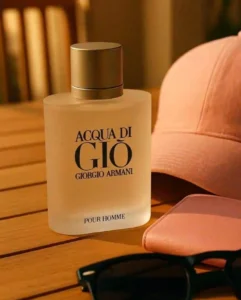
Finding a truly high-quality Acqua di Gioia dupe is one of the most common yet frustrating quests for fragrance lovers across the USA. If you are reading this, you likely already know the magic of the original Giorgio Armani masterpiece: it is the quintessential “Mediterranean summer fragrance” bottled up. It smells like a cool breeze rolling off the Amalfi coast, crushing mint leaves and lemon zest along the way. It is the ultimate “clean girl aesthetic scent.”
But there is a catch. A standard bottle easily costs upwards of $130 at American retailers like Sephora or Ulta. For a fragrance profile that relies heavily on light, volatile citrus notes (which naturally evaporate quickly), paying that luxury premium can feel hard to justify.
As a supply chain expert who spends every day analyzing fragrance formulations, sourcing raw materials, and studying Gas Chromatography-Mass Spectrometry (GC-MS) reports, I want to pull back the curtain on the perfume industry. This is not an academic paper; this is a practical, easy-to-understand guide for the everyday consumer. We are going to look at why luxury perfumes cost so much, the actual chemistry of why your cheap drugstore perfume fades in an hour, and give you an honest, head-to-head comparison of the most popular dupes on the market.
Part 1: The Anatomy of an Aquatic Masterpiece
Before you can spot a good affordable aquatic perfume, you need to understand what you are actually smelling. Why does Acqua di Gioia smell so intoxicating, and why is it so difficult for cheap brands to copy it correctly?
In the fragrance lab, we view perfumes as a pyramid made of three layers. The original formulation relies on a very specific, high-quality blend of molecules:
- The Crisp Top Notes (The Hook): The first 15 to 30 minutes. This is dominated by Primo Fiore Lemon (a specific, highly aromatic Italian lemon) and crushed mint. Chemically, we are dealing with high amounts of Limonene and Menthol. These molecules are small and highly volatile. They explode off your skin, giving you that immediate, refreshing “ahhh” moment. Cheap dupes fail here by using industrial lemon synthetics, which is why they often smell like kitchen cleaner.
- The Heart Notes (The Soul): Lasting 1 to 4 hours. Once the lemon fades, the floral heart takes over. The original uses Water Jasmine and Peony. In the industry, we often use a miracle molecule called Hedione (methyl dihydrojasmonate). Hedione doesn’t just smell like jasmine; it smells like jasmine floating on a breeze. It gives the perfume its transparent, airy, “watery” feel without smelling like a stagnant pond.
- The Base Notes (The Anchor): Lasting 4 to 8+ hours. This is where the perfume dries down into your skin. Cedarwood, Labdanum, and a very unique Brown Sugar accord. These larger, heavier molecules act as “fixatives.” They grab onto the lighter lemon and jasmine molecules and slow down their evaporation. A bad dupe will skip the base notes to save money, meaning the perfume completely vanishes after an hour.
The genius of this specific DNA is the contrast: the sharp, icy freshness of the mint and lemon against the warm, sweet, comforting hug of the brown sugar and cedarwood. Reproducing that contrast requires skill and good ingredients.
Part 2: The Supply Chain Secret — Why Does Perfume Cost $150?
To understand why a good dupe is possible, we need to talk about money. When you buy a $150 bottle of designer fragrance at a US department store, what are you actually paying for?
According to industry analyses by groups like Perfumer & Flavorist, the actual liquid inside the bottle (the “juice”) rarely accounts for more than 5% to 15% of the retail price. The rest of your money goes toward:
- Massive Marketing Campaigns: Paying Hollywood celebrities tens of millions of dollars to swim in the ocean for a 30-second commercial.
- Packaging: Custom-molded, heavy glass bottles, magnetic caps, and elaborate cardboard boxes.
- Retail Markups: The brand sells to a distributor, who sells to a store (like Macy’s or Sephora). Each middleman takes a 40% to 60% cut. To make a profit, the brand has to inflate the original price exponentially.
The Rise of Factory-Direct Fragrances:
In recent years, the market has shifted. Consumers are getting smarter. Brands (including Dossier, Zara, and our own iMixx) realized that if you cut out the celebrity marketing, use standardized but elegant glass bottles, and sell directly to the consumer online, you can use the exact same tier of fragrance oils and sell the perfume for $30 to $50.
Part 3: The Great “Acqua Di Gioia Dupe” Showdown
Let’s look at the actual market. If you are searching for an alternative to Acqua di Gioia in the USA, you will likely encounter these main contenders. I have evaluated them based on formulation quality, accuracy to the original, and longevity.
1. Dossier – Aquatic Peony
Dossier is a massive player in the US dupe market, known for accessibility. Their take on this fragrance is called Aquatic Peony.
The Pros: It is very accessible, affordable (usually around $29), and they offer a great return policy. The heart notes of peony and jasmine are formulated quite well, giving it a soft, feminine floral vibe.
The Cons: From a formulation standpoint, Aquatic Peony leans a bit sweeter and more floral than the original. It slightly misses the sharp, icy, herbal “bite” of the crushed mint in the opening. If you love the floral dry-down of the Armani original, this is a solid choice. If you are chasing the icy lemon-mint opening, it might feel a little flat.
2. Zara – Applejuice / Waterlily Tea Dress
Zara frequently rotates fragrances that mimic designer trends. While they don’t have an exact 1:1 clone of Acqua di Gioia, Applejuice and Waterlily Tea Dress (created by master perfumer Jo Malone for Zara) are often cited on forums like BaseNotes and Reddit as giving a very similar “clean girl” aquatic vibe.
The Pros: Incredibly cheap (often under $25 for a large bottle) and you can test them in almost any mall in America. They smell wonderfully fresh and modern.
The Cons: Concentration and longevity. Zara fragrances are notoriously fleeting. They are often formulated as Eau de Toilette (EDT) with a higher alcohol-to-oil ratio. The beautiful watery notes will likely evaporate from your skin within 2 hours, requiring constant reapplication.
3. La Rive – Aqua Bella
A true “drugstore/Amazon” budget option, often retailing for under $15.
The Pros: Unbeatable price. It definitely captures the general “green and blue” aquatic aesthetic.
The Cons: You get what you pay for in the raw materials. The opening utilizes cheaper, harsher synthetic citrus notes that can smell a bit screechy or resembling a cleaning product for the first 15 minutes before it settles down. The base lacks the warm depth of real cedarwood, making the dry-down feel a bit hollow.
4. iMixx – No. 37 (Our Factory-Direct Formulation)
Transparency reminder: I oversee the supply chain for this product. Here is our objective approach to formulating it.
We formulated iMixx No. 37 specifically to address the longevity issues common in aquatic dupes.
The Pros: We use an Eau de Parfum (EDP) concentration (higher oil content than standard EDTs) to ensure the fragrance lasts. By using GC-MS technology, we accurately mapped the mint-to-lemon ratio to preserve the sharp, icy opening, while sourcing high-grade fixatives for the brown sugar/cedar base so the scent anchors to the skin for 6+ hours. All ingredients are strictly IFRA (International Fragrance Association) compliant for safety.
The Cons: We are a direct-to-consumer brand. You cannot walk into a Sephora to smell a tester before buying. You have to trust the process and order online.
Table 1: Comprehensive Comparison of Aquatic Alternatives
| Brand / Product | Approx. Price (USA) | Scent Accuracy (Opening) | Longevity (Average) | Best For… |
|---|---|---|---|---|
| Giorgio Armani (Original) | $130 – $150 | 100% (The Benchmark) | 4 – 6 Hours | Collectors, brand loyalists. |
| Dossier (Aquatic Peony) | $29 | 80% (Leans more floral/sweet) | 4 – 5 Hours | Those who prefer the floral dry-down. |
| Zara (Applejuice) | $20 – $25 | 70% (Similar vibe, not exact) | 2 – 3 Hours | Quick errands, budget shoppers. |
| La Rive (Aqua Bella) | $15 – $20 | 75% (Harsh opening) | 3 – 4 Hours | Extreme budget, amazon shoppers. |
| iMixx (No. 37) | $35 – $45 | 95% (Precise mint/lemon ratio) | 6 – 8 Hours (EDP) | Those wanting high accuracy and all-day wear. |
Part 4: The Maceration Myth (Why Cheap Perfume Smells Like Alcohol)
Have you ever bought an affordable perfume online, sprayed it the day it arrived, and thought, “Ugh, this just smells like rubbing alcohol!” But then, a month later, you spray it again and it smells beautiful? You aren’t crazy. You are experiencing a chemical process called maceration.
In high-end fragrance factories, once the raw essential oils are mixed with the perfumer’s alcohol, the liquid is placed in large vats in a dark, temperature-controlled room for 4 to 8 weeks. This allows the alcohol molecules to soften, and the different fragrance molecules to bind together, creating a smooth, rounded scent.
Mass-market, ultra-cheap drugstore dupes skip this step to save warehouse costs. They mix it on Monday and ship it on Tuesday. When you receive it, the oils and alcohol haven’t married yet, resulting in a sharp, alcoholic blast.
Pro Tip for Consumers: If you buy a factory-direct dupe (from brands like Dossier, Oakcha, or iMixx), spray it 5-10 times to introduce oxygen into the bottle, then put the bottle in a cool, dark drawer for two to three weeks. This forces the maceration process to finish. The difference in smoothness and longevity will shock you.
Part 5: Masterclass – How to Make Cheap Perfume Last Longer
Because aquatic and citrus perfumes are made of light molecules, they are fighting a losing battle against physics. Your body heat and the environment want to evaporate them. To make a Mediterranean summer fragrance last all day, you must hack your skin chemistry. US beauty magazines like Allure frequently discuss these methods, and they are rooted in actual science.
1. The “Acid Mantle” and Hydration
Your skin has a natural pH barrier called the acid mantle. If your skin is dry, it will literally “drink” the fragrance oils to moisturize itself, destroying the scent. You must apply fragrance to moisturized skin. Immediately after a shower, apply an unscented body lotion or a carrier oil (like jojoba oil). Spray your perfume on top of the lotion. The lotion acts as a primer, giving the fragrance molecules something lipid-based to hold onto.
2. The Vaseline Pulse Point Trick
If you don’t want to use lotion everywhere, dab a tiny amount of Vaseline (petroleum jelly) on your pulse points—your wrists, inner elbows, and the base of your throat—before spraying. The occlusive nature of the Vaseline traps the perfume oils on the surface of your skin, extending longevity by hours.
3. Stop Rubbing Your Wrists!
When you spray perfume on your wrists and rub them together aggressively, you create friction and heat. This heat literally burns off the delicate lemon and mint top notes before you even get to enjoy them. Spray, and let it air dry.
4. Fabric is Your Best Friend
Skin is hot; fabric is cool. To make an aquatic scent last for 12+ hours, spray it lightly on the inside of your jacket, the hem of your shirt, or your scarf. (Always test on an inconspicuous area first to ensure the oils don’t stain silk or delicate fabrics). You can also mist your hairbrush before brushing your hair; hair is porous and holds onto scent incredibly well, leaving a beautiful trail (sillage) when you walk.
Part 6: The Art of Aquatic Layering
One of the most fun aspects of buying affordable alternatives is that you have the budget to experiment with “layering”—wearing two scents at once to create a bespoke signature scent.
| Layering Combination | The Resulting Vibe | Why it Works Scientifically |
|---|---|---|
| Aquatic Dupe + Coconut Body Butter | Tropical Beach Vacation | The lactonic (milky) sweetness of coconut grounds the sharp, salty citrus, creating a creamy, sun-tan lotion effect. |
| Aquatic Dupe + Pure Vanilla Perfume | Warm, Sensual Evening Scent | Vanilla is a heavy base note. It pulls the brown sugar note out of the aquatic perfume, making it deeper and more suitable for nighttime. |
| Aquatic Dupe + Citrus/Grapefruit Spray | Extreme Freshness / Gym Scent | Amplifies the top notes. Perfect for the high heat of a US summer or feeling energized post-workout. |
Part 7: Frequently Asked Questions (FAQ)
What is the difference between Acqua di Gioia and Ocean di Gioia?
This is a very common point of confusion. Acqua di Gioia is the original; it is distinctly herbal and citrusy, relying heavily on mint, lemon, and brown sugar. Ocean di Gioia is a flanker (a spin-off) that removes the mint and brown sugar, replacing them with juicy pear, water jasmine, and a salty, musky base. Ocean is fruitier and shampoo-like, while Acqua is crisper and more herbal.
Is an Acqua di Gioia dupe considered a summer or winter perfume?
Because of its bright, cooling nature, it is overwhelmingly classified as a spring and summer fragrance, perfect for hot weather. However, the “clean girl aesthetic scent” trend has made it acceptable year-round, especially in climate-controlled US office environments where you want to smell fresh and inoffensive.
Can men wear Acqua di Gioia or its dupes?
Absolutely. While marketed to women, the strong presence of cedarwood, mint, and lemon makes this DNA highly unisex. Many men who find traditional men’s colognes too heavy or spicy prefer this profile for an after-gym or casual weekend scent.
Why do some cheap perfumes smell sour on my skin?
This comes down to skin chemistry and diet. If a perfume turns sour, it is often a reaction between the synthetic citrus notes and your skin’s pH or natural oils. High-quality dupes use better-stabilized molecules to prevent this. If this happens to you frequently, apply the perfume to your clothing rather than your bare skin.
Are cheap perfumes safe to spray on the skin?
It depends on the manufacturer. Always look for brands that state they are IFRA compliant. IFRA regulates the safe usage levels of aroma chemicals to prevent allergic reactions. Reputable direct-to-consumer brands (like Dossier or iMixx) follow these global safety standards just like the luxury houses do.
Conclusion: Be a Smart Scent Consumer
The fragrance industry relies on mystery and exclusivity to justify high prices. But as we’ve explored, the magic of a Mediterranean summer fragrance isn’t confined to a $150 designer bottle. By understanding the chemistry of top, heart, and base notes, and recognizing how factory-direct supply chains cut out the middlemen, you are now equipped to navigate the market like an insider.
Whether you choose the accessible floral tilt of Dossier, the fleeting but cheap thrill of Zara, or a highly-concentrated, scientifically formulated option like iMixx No. 37, the goal is the same: to find a scent that makes you feel fresh, confident, and beautiful without breaking the bank.
Remember, a great perfume is only half the battle. Use the hydration and layering techniques discussed above, respect the maceration process, and you can make almost any affordable aquatic perfume smell like a million bucks.
Curious to see how factory-direct quality feels? Explore our formulation of the ultimate aquatic summer scent at iMixx No. 37, or browse our full library of expertly crafted, long-lasting fragrances at iMixx.net.
