

Blog, Designer Dupe Reviews
How to Choose the Best Versace Bright Crystal Dupe in the US: A Perfumer’s Guide to Scent Accuracy and Longevity
Jun
How to Choose the Best Versace Bright Crystal Dupe in the US: A Perfumer’s Guide to Scent Accuracy and Longevity
Executive Summary
Finding a reliable, high-quality alternative to a legendary luxury fragrance is no longer just about saving money at the checkout counter—it is about demanding greater transparency, better skin-level performance, and understanding the realities of modern fragrance manufacturing. In this comprehensive guide, written specifically for the everyday US fragrance consumer, we will demystify the complex olfactory science behind one of the world’s most famous aquatic-floral masterpieces.
We will step away from traditional marketing hype to look objectively at how raw materials like yuzu, synthesized peony, and the elusive “ice accord” are structurally formulated in a lab. We will explore the chemical reasons why traditional Eau de Toilette (EDT) formulations often suffer from poor longevity on the skin, and how techniques like Gas Chromatography-Mass Spectrometry (GC-MS) and proper maceration help independent brands craft better-performing products.
To ensure you make a fully informed choice, this guide features a fair, objective comparison of several popular alternatives currently available in the United States—including Dossier, Zara, Alt Fragrances, and our own Imixx No. 08. This includes industry-estimated cost breakdowns, insights into IFRA safety compliance, and highly actionable, scientifically-backed tips for extending your perfume’s wear time. Whether you are a fragrance novice or a seasoned collector, our goal is to empower you with the knowledge to smell incredible on a budget, without ever compromising on quality, safety, or longevity.
The Paradigm Shift: From “Cheap Copies” to Smart Olfactory Engineering
For many years in the United States, the word “dupe” (short for duplicate) carried a somewhat negative stigma. It brought to mind cheap, synthetic-smelling body sprays sold in plastic bottles at the local drugstore or mall kiosks—fragrances that often induced headaches, smelled overwhelmingly of pure rubbing alcohol, and vanished completely within twenty minutes. However, the modern fragrance landscape has evolved dramatically over the last five years.
Today’s consumers are highly educated and are experiencing significant fatigue from the rising costs of traditional designer brands. When you purchase a luxury perfume at a major US department store like Macy’s or Sephora, a substantial portion of your money goes toward factors that have nothing to do with how the perfume smells. You are paying for celebrity endorsement campaigns, intricate custom glass bottle molds, multi-million dollar global marketing budgets, and the retailer’s massive shelf-space margins.
As someone who works directly within the fragrance supply chain—coordinating everything from the importation of raw aromachemicals to the final bottling process—I want to pull back the curtain. When you ask the internet, “What is the best alternative to Versace Bright Crystal?”, you aren’t just searching for a scent that smells vaguely similar. You are actively looking for an affordable floral perfume that matches the original’s elegance, uses safe, regulated ingredients, and—most importantly—actually lasts through your workday. Let’s break down how the industry analyzes, reconstructs, and ultimately evaluates these iconic scent profiles.
The History and Brilliance of the Original Aquatic Floral
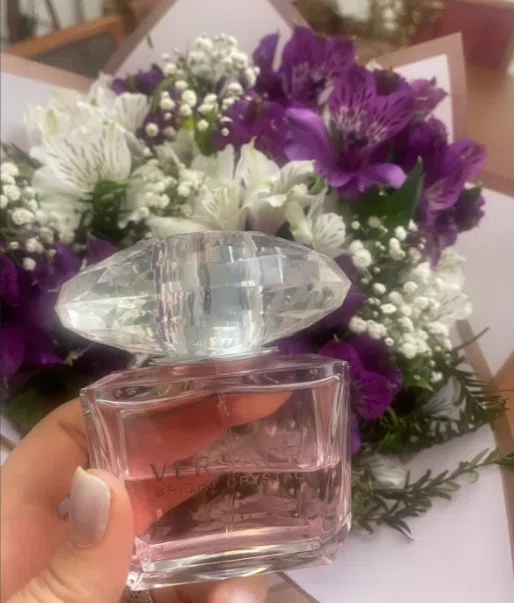
Before we can evaluate a Versace Bright Crystal dupe, we must first respect and understand the architectural brilliance of the original fragrance’s DNA. Launched in 2006 and created by legendary master perfumer Alberto Morillas, this fragrance marked a pivotal moment in the industry.
The early 2000s were transitioning away from the heavy, overpowering oriental and spicy perfumes of the 1980s and 1990s. The modern US consumer, particularly the working professional, wanted something cleaner, fresher, and more universally flattering. Morillas delivered what is now considered the gold standard for the “Floral Aquatic” category. It is widely celebrated in the beauty community—frequently highlighted in publications like Allure and on enthusiast databases like Fragrantica—for being vibrant, inoffensive, and perfectly suited for the warm spring and summer seasons.
Deconstructing the Scent Profile: The Chemistry of a Luminous Floral
To create a successful alternative, a lab cannot just guess the ingredients. They must understand the highly specific chemical behavior of each note. Here is a deep dive into the anatomy of this specific scent profile.
The Top Notes: Yuzu, Pomegranate, and the Tricky “Ice Accord”
The opening of this fragrance is its most famous and addictive characteristic. It relies heavily on Yuzu, an East Asian citrus fruit. Yuzu is incredibly complex; it provides a scent that is sharper and more tart than a mandarin, yet softer and more intensely floral than a standard lemon. This is expertly blended with a juicy, slightly sweet Pomegranate note.
However, the true technical marvel is the “Ice Accord.” In perfumery, an accord is a blend of several distinct aromachemicals combined to create a brand-new scent impression. The “Ice Accord” is meant to give the wearer the sensation of smelling a chilled, frosted glass of water. To achieve this, perfumers use specific marine molecules (often derivatives of Calone) and certain aldehydes.
This is where cheap knockoffs fail miserably. If a manufacturer uses low-grade citrus oils or overdoses the aldehydes, the resulting perfume smells harsh, metallic, or unpleasantly similar to a household glass cleaner. A masterfully crafted alternative must balance the bright, fleeting volatility of the citrus with the piercing clarity of the ice accord, all without causing an alcoholic burn when first sprayed on the skin.
The Heart Notes: Peony, Magnolia, and Lotus
As the initial citrus burst begins to evaporate (usually within 15 to 30 minutes due to the low molecular weight of citrus oils), the floral heart of the perfume emerges. Unlike heavy, indolic white florals (like jasmine or tuberose) that can feel overwhelming or “vintage,” this is a translucent, “water-colored” floral bouquet.
The Peony provides a fresh, dewy, slightly rosy petal scent. Interestingly, peony is known in the industry as a “mute flower”—meaning it is nearly impossible to extract natural essential oil directly from the petals. Instead, perfumers must use “headspace technology” (analyzing the air around the living flower) to synthesize the scent perfectly in the lab using sustainable aromachemicals. The Magnolia adds a creamy, almost lemon-tinged nuance. Finally, the Lotus note acts as the crucial bridge; it connects the watery, icy top notes to the floral heart, maintaining the perfume’s aquatic, fluid texture from start to finish.
The Base Notes: Musk, Mahogany, and Amber
The dry-down is the foundation of the fragrance. It is the scent that lingers on your skin, clothes, and hair hours after application. Plant-derived or high-quality synthetic Musks (which are entirely cruelty-free and heavily regulated for safety) provide a comforting, “my skin but better” softness. Mahogany wood offers a very subtle, dry woody backbone that prevents the floral and fruity notes from becoming cloyingly sweet, while a touch of transparent Amber brings a gentle, radiant warmth to the final hours of wear.
For readers interested in the rigorous safety testing behind these modern synthetic and natural ingredients, the International Fragrance Association (IFRA) provides extensive public resources detailing the global standards for safe fragrance formulation.
The Longevity Dilemma: EDT vs. EDP Concentrations
If you browse popular US fragrance forums or read verified customer reviews, you will notice one universal, recurring complaint regarding the original designer fragrance: its longevity.
The original designer release is an Eau de Toilette (EDT). In the fragrance manufacturing industry, an EDT typically contains roughly 5% to 15% pure fragrance oil, which is then suspended in a mixture of cosmetic-grade alcohol and distilled water. Because fresh, citrus, and aquatic notes are inherently highly volatile—meaning their molecular structure causes them to evaporate into the air very quickly—an EDT of this specific, delicate profile usually lasts only about 3 to 4 hours on the skin before fading into a faint whisper.
For independent brands aiming to create a better long-lasting summer fragrance, the solution is not as simple as just “dumping more oil” into the mixing vat. Altering the concentration requires careful, mathematical re-balancing of the formula so the heavy base notes don’t completely swallow the delicate ice accord.
The Critical Role of Maceration
One of the most critical, yet rarely discussed, steps in creating a smooth, long-lasting perfume is a process called maceration. Think of this process much like letting a fine wine age in a barrel, or allowing a complex stew to simmer so the flavors meld.
Once the pure fragrance concentrate is mixed with the perfumer’s alcohol, the batch must ideally be left to rest in a dark, temperature-controlled environment for several weeks. During this resting period, a chemical process occurs where the harsh edges of the alcohol soften, and the aromatic molecules fully integrate and bind with one another. Many massive, mass-market brands rush this process to get millions of products onto retail shelves faster, which often results in a sharp, alcohol-heavy opening blast.
Independent, direct-to-consumer fragrance houses often have the logistical flexibility to allow for proper, patient maceration. This is precisely why a well-made, carefully aged alternative will offer a smooth, immediate burst of the actual fragrance notes rather than an overwhelming, stinging smell of ethanol.
Supply Chain Economics: What Are You Actually Paying For?
To truly understand the value proposition of a high-quality alternative, we must look at the supply chain economics. Why does a beautiful bottle of designer perfume cost well over $100, while a high-quality “inspired-by” alternative costs between $25 and $45?
Let’s look at an industry-standard estimated cost breakdown. (Note: The following table represents generalized industry averages designed to illustrate different business models, rather than the exact proprietary financial data of any single specific brand.)
Table 1: Estimated Cost Structure Comparison
| Cost Component | Traditional Luxury Brand ($100+ Retail) | Direct-to-Consumer Alternative ($30-$40 Retail) |
|---|---|---|
| Fragrance Liquid (The “Juice”) | Relatively low percentage of total cost (often EDT concentration). Focus is on volume. | Higher percentage of total cost. Often formulated at EDP (Eau de Parfum) concentration for better longevity. |
| Bottle & Packaging | High cost. Involves custom, heavy glass molds, elaborate plastic/metal caps, and designer presentation boxes. | Moderate to low cost. Utilizes standardized, elegant, but minimalist glass bottles to keep overhead low. |
| Marketing & Celebrity Ads | Astronomically High. Think global TV commercials, massive billboard campaigns in NY/LA, and multi-million dollar celebrity contracts. | Minimal. Relies heavily on organic search (SEO), community reviews, social media word-of-mouth, and affiliate marketing. |
| Retailer Margin (The Middleman) | Very High. Major US department stores often take a 40% to 50% cut of the final retail price just to place it on their shelves. | Zero. Products are sold directly from the brand’s warehouse to the consumer via their own website. |
The Science of Reverse Engineering: GC-MS Technology
You might be wondering: how do independent brands actually figure out the “recipe” of a famous, highly guarded luxury perfume? The answer lies in advanced laboratory technology, specifically Gas Chromatography-Mass Spectrometry (GC-MS).
In simple terms, an analytical chemist takes a small sample of a target fragrance and vaporizes it inside a machine. As the molecules travel through a specialized column, they naturally separate based on their weight and volatility. The mass spectrometer then precisely identifies the chemical signature of each individual component. This provides the perfumer with a highly accurate “blueprint” of the fragrance—showing exactly what specific aromachemicals and natural isolates were used to create the Peony note or the tricky Ice Accord.
However, it is vital to understand that a machine only provides a list of ingredients and percentages; it cannot create art. It takes a highly skilled human perfumer to interpret that data, source safe, high-quality raw materials that meet strict IFRA safety standards, and blend them perfectly. This human element is the defining difference between a harsh, unbalanced cheap copy and an expertly crafted, skin-safe fragrance clone.
Table 2: Scent Volatility & Formulation Strategy
| Olfactory Phase | Key Notes in this Profile | Evaporation Rate | How Premium Dupes Optimize Performance |
|---|---|---|---|
| Top Notes (0 – 30 mins) | Yuzu, Pomegranate, Ice Accord | Highly Volatile (Evaporates Fast) | Using high-quality, cold-pressed citrus extracts stabilized with modern fixative molecules to prevent the fresh opening from vanishing instantly in the summer heat. |
| Heart Notes (30 mins – 4 hrs) | Peony, Lotus, Magnolia | Medium Volatility | Increasing the overall oil concentration from EDT to EDP level. This allows the floral heart to project a consistent, radiant aura (sillage) rather than quickly dying down to a faint skin scent. |
| Base Notes (4 hrs – 8+ hrs) | Musk, Mahogany Wood, Amber | Low Volatility (Evaporates Slow) | Utilizing premium, larger-molecule musks that bind effectively to the natural lipids in human skin, ensuring a warm, clean dry-down that lingers throughout the entire workday. |
A Fair, Objective Comparison: Evaluating the Top Alternatives in the US Market
To ensure this guide is genuinely useful and trustworthy, we must look at the market objectively. There is no single “perfect” perfume for everyone. Factors like individual budget, personal skin chemistry, and exactly which notes you want highlighted will dictate your choice. Here is a fair, balanced breakdown of some of the most discussed alternatives available to the US consumer today.
1. Dossier – “Fruity Magnolia”
Dossier is arguably the most recognizable player in the US alternative fragrance market, known for their minimalist aesthetic and wide availability.
- The Pros: They offer a very clean, approachable, and highly accessible take on the original. In their formulation, the sweet magnolia and juicy pomegranate notes are pushed slightly more front and center, making it wonderfully fruity, youthful, and fresh. They have an excellent return policy.
- The Considerations: Based on community feedback and wear tests, some consumers note that while the fruity floral aspect is beautiful, it slightly lacks the distinct, piercingly cold “Ice Accord” of the original. Additionally, as it leans heavily on the lighter fruity notes, its longevity is moderate, often requiring a reapplication halfway through the day.
2. Zara – (Various Discontinued/Rotating Fresh Florals)
Zara frequently cycles through highly affordable fragrances, many of which are known to share scent DNAs with popular designer releases (often referencing their Orchid line or specific summer limited editions).
- The Pros: Unbeatable budget accessibility. You can walk into almost any Zara clothing store across the USA and pick up a large bottle for roughly $20 to $25. The initial spray is usually very pleasant, making them fantastic for a quick post-gym refresh or for younger consumers just starting their fragrance journey.
- The Considerations: Zara fragrances are notorious in the fragrance community for their fleeting longevity. They are almost exclusively formulated at lighter EDT or even body mist concentrations. While the initial scent profile is close, the fragrance rarely anchors to the skin for more than an hour or two before disappearing entirely.
3. Alt Fragrances – “Crystal Clear”
Alt Fragrances is another major direct-to-consumer brand that focuses on providing potent, highly concentrated versions of popular scents.
- The Pros: Alt is known for pushing the concentration levels high. “Crystal Clear” projects very well in the first two hours, ensuring that people around you will definitely notice your fragrance. They often hit the woody, musky base notes quite accurately.
- The Considerations: Some users report that due to the high concentration of synthetic fixatives, the opening 10 minutes can feel a bit sharp or slightly metallic before it settles down into the softer floral heart. It requires a bit of patience to reach the beautiful dry-down.
4. Imixx – “No. 08”
As part of the formulation and supply chain team behind Imixx No. 08, I can speak directly to the engineering goals of this specific product. Our objective was to directly address the moderate longevity of the original designer EDT.
- The Pros: We focused heavily on the technical engineering and maceration timelines. No. 08 is formulated at a robust Eau de Parfum (EDP) concentration, utilizing a higher percentage of premium fragrance oils. Our internal panel wear-tests, alongside customer feedback, show a highly comparable olfactory profile—specifically capturing that elusive, chilled iced yuzu opening—but with an extended wear time that can push past the 6-to-8-hour mark on properly hydrated skin.
- The Considerations: Because it is an EDP, the initial spray might feel slightly denser or richer than the watery, airy EDT of the original. Furthermore, as an exclusive direct-to-consumer brand, you cannot test it in a physical retail store before buying, though detailed scent breakdowns are provided online.
The Ultimate Expert Guide: How to Make Your Fragrance Last All Day
Regardless of whether you purchase the original $100 luxury bottle, a $20 Zara mist, or a premium EDP alternative like Imixx No. 08, the ultimate longevity of a fragrance is heavily influenced by your personal skin chemistry, your application technique, and your environment. The incredibly diverse climates across the USA—from the thick, humid summers of Florida to the bone-dry heat of Arizona—play a massive role in how perfume evaporates.
Here are my advanced, scientifically-backed tips to maximize the lifespan of your yuzu and peony fragrance:
1. The Hydration Rule (Crucial for Dry Climates)
Never apply perfume to dry, bare skin. Dry skin acts exactly like a dry sponge; it absorbs the perfume oils rapidly into the pores, leaving nothing on the surface to evaporate into the air (which is how you actually smell the scent). Immediately after a warm shower, pat your skin dry and apply an unscented body lotion, a ceramide cream, or a light body oil (like jojoba or sweet almond oil). Well-hydrated skin provides a slick lipid barrier that fragrance oils can cling to, significantly slowing down the evaporation process.
2. The Vaseline/Occlusive Technique
For a highly targeted approach, dab a tiny amount of an occlusive ointment, like petroleum jelly (Vaseline) or Aquaphor, onto your specific pulse points before spraying. The fragrance molecules will adhere to the dense ointment rather than sinking directly into your pores, acting as a slow-release mechanism throughout the day.
3. Strategic Pulse Point Application
Heat activates perfume. You should apply fragrance to areas where blood vessels are closest to the surface of the skin, generating natural body heat. Standard points include the inner wrists, the sides of the neck, and the base of the throat. However, for a summer fragrance, try spraying the inner elbows and behind the knees. As you move and walk, the scent will rise beautifully in the warm air.
4. The Cardinal Sin: Do Not Rub Your Wrists
This is perhaps the most common mistake made by consumers! Spraying your wrists and vigorously rubbing them together creates severe friction and heat. This forcefully crushes the delicate, highly volatile top notes (like the yuzu and the ice accord), rushing the fragrance straight into the heavier base notes and completely ruining the perfumer’s intended olfactory journey. Simply spray the area and let it air dry completely.
5. Utilizing Hair and Fabric (The Sillage Secret)
Human hair is incredibly porous and holds scent beautifully, far longer than skin. Spray a light cloud into the air and walk through it, or lightly mist your hairbrush before running it through your hair. (Avoid spraying high-alcohol perfumes directly onto dry hair every day to prevent damage). Additionally, spraying directly on your clothes will make the scent last for days. Fabric does not heat up and metabolize oils the way living human skin does. *Pro tip: Always test the perfume on a small, hidden inside seam of your clothing first to ensure the oils do not cause staining, especially on light-colored silks or cottons.*
6. Advanced Layering Techniques
Fresh aquatic florals are excellent candidates for fragrance layering. If you want to deepen the scent for an evening out, try applying a simple, single-note vanilla or coconut scented body lotion before spraying the perfume; this adds a creamy, gourmand depth to the fresh florals. Alternatively, layer the perfume with a pure, linear citrus body spray to aggressively amplify the vibrant Yuzu opening for a scorching hot summer day.
For further reading on the fascinating science of olfaction, skin chemistry, and proper application routines, I highly recommend exploring the educational materials published by The Fragrance Foundation, a premier resource for industry standards and consumer education.
Frequently Asked Questions (FAQ)
Based on the most common search queries from US consumers regarding this specific aquatic-floral scent profile, here are the definitive, no-nonsense answers.
1. What actually makes a good alternative or “dupe” for Versace Bright Crystal?
A high-quality alternative must accurately capture the unique, chilling “ice accord” and bright yuzu top notes without smelling like pure alcohol or synthetic household cleaner. It should utilize safe ingredients and ideally offer an Eau de Parfum (EDP) concentration to improve upon the original’s notoriously moderate longevity.
2. Are “inspired-by” perfumes safe to use on my skin?
Yes, provided you purchase from a transparent, reputable brand that formulates in professional facilities. Established brands ensure their raw materials and final formulations adhere strictly to IFRA (International Fragrance Association) safety guidelines. This means they are free from banned allergens and are rigorously tested for skin safety, making them perfectly suitable for normal, everyday cosmetic wear.
3. Why do some perfumes seem to smell different after I’ve owned them for a few months?
This is a completely natural chemical process. As you use the perfume and small amounts of oxygen enter the bottle, the fragrance continues to macerate and mature. The alcohol softens further, and the heavier base notes become more prominent. Often, a high-quality perfume will actually smell deeper, richer, and perform noticeably better a month or two after your very first spray.
4. Realistically, how long should a Bright Crystal alternative last on the skin?
The original designer EDT typically lasts around 3 to 4 hours on average skin. A premium EDP alternative, when properly applied to well-moisturized skin in a temperate climate, should comfortably last 6 to 8 hours. The musky-wood base notes will linger even longer, sometimes up to 12 hours or more, if sprayed lightly onto clothing fabrics.
5. Is this specific scent profile appropriate for a professional office or hospital environment?
Absolutely. The aquatic-floral DNA is world-famous for being incredibly inoffensive, fresh, and exceptionally clean. It is widely considered the ultimate “safe blind buy” for professional office environments, healthcare settings, or the gym. It leaves a pleasant, fresh trail without ever overwhelming the room or inducing headaches in sensitive coworkers.
6. What is the fundamental difference between EDT and EDP versions of this scent?
EDT (Eau de Toilette) contains roughly 5-15% perfume oil, prioritizing a loud, highly evaporative quick burst of fresh top notes that naturally fade faster. EDP (Eau de Parfum) contains a higher oil concentration, typically between 15-20% or more. An EDP formulation will feel slightly richer and denser upon application and will project a steady, consistent scent aura for a much longer period throughout the day.
7. Does brand packaging really account for that much of the cost of luxury perfume?
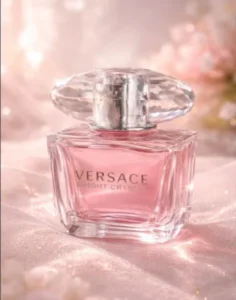
Yes. The heavy, bespoke glass molds (especially those with complex, branded caps like the famous oversized crystal top), the intricate atomizer pumps, and the multi-layered presentation boxes account for a massive percentage of the physical manufacturing cost. Direct-to-consumer brands utilize standardized, elegant-but-simple bottles to drastically reduce these overhead costs.
8. What season is best for wearing a yuzu and peony fragrance?
While fragrance is deeply personal and can be worn anytime, aquatic florals shine their absolute brightest in the Spring and Summer. The heat helps project the citrus and floral notes, while the “ice accord” provides a psychologically cooling effect on sweltering, humid days.
9. Can a fragrance go bad or expire?
Perfumes don’t spoil like milk, but they do degrade over time, especially if exposed to heat, humidity, and direct sunlight. Citrus top notes (like Yuzu) are always the first to degrade, potentially smelling flat or sour after 3 to 5 years. Always store your perfumes in a cool, dark place—like a bedroom drawer or a closet, never on a sunny bathroom counter.
10. Why does the exact same perfume smell slightly different on me than on my friend?
Skin chemistry is a real, scientifically proven phenomenon. Factors like your skin’s natural pH level, your diet, your natural body heat, and the specific composition of your skin’s microbiome will interact with the fragrance oils. This can cause certain notes (like musk or amber) to pull sweeter or sharper on you compared to someone else.
Conclusion: Smell Expensive, Spend Smartly
The fragrance industry in the USA is undergoing a beautiful, consumer-driven transformation. The era of gatekeeping gorgeous, confidence-boosting scents behind $100 to $200+ price tags is rapidly fading. This shift is driven by a loud demand for supply chain transparency, fairer pricing models, and a new generation of highly educated consumers who care more about the chemistry of the “juice” than the logo on the bottle.
Understanding the complex chemistry behind notes like yuzu and synthesized peony, comprehending the harsh reality of retail markups, and recognizing the critical performance differences between EDT and EDP concentrations completely empowers you to make much smarter purchasing decisions. You absolutely do not need to overspend to curate a luxurious, long-lasting, and compliment-getting fragrance wardrobe.
By focusing purely on ingredient quality, the analytical science of GC-MS formulation, and proper, patient application techniques, you can enjoy world-class scents every single day without breaking the bank. Whether you choose to explore the highly accessible offerings from Zara, the fruity variations from Dossier, the potent sprays from Alt, or our own meticulously crafted, longevity-focused formulations, the power of informed choice is now firmly in your hands.
If you are ready to upgrade your signature scent for the upcoming spring and summer seasons with a fragrance specifically engineered for true longevity and uncompromising accuracy, we invite you to experience the flawless aquatic floral magic we have worked so hard to create.
To explore more insider knowledge on fragrance chemistry, advanced seasonal layering techniques, and to view our full collection of expertly engineered, direct-to-consumer scents, please visit the Imixx Homepage.
