

Best Fragrance Lists, Blog
How to Build a Complete Men’s Fragrance Dupes for men Wardrobe with the Best Cologne Dupes in the USA (Insider Guide)
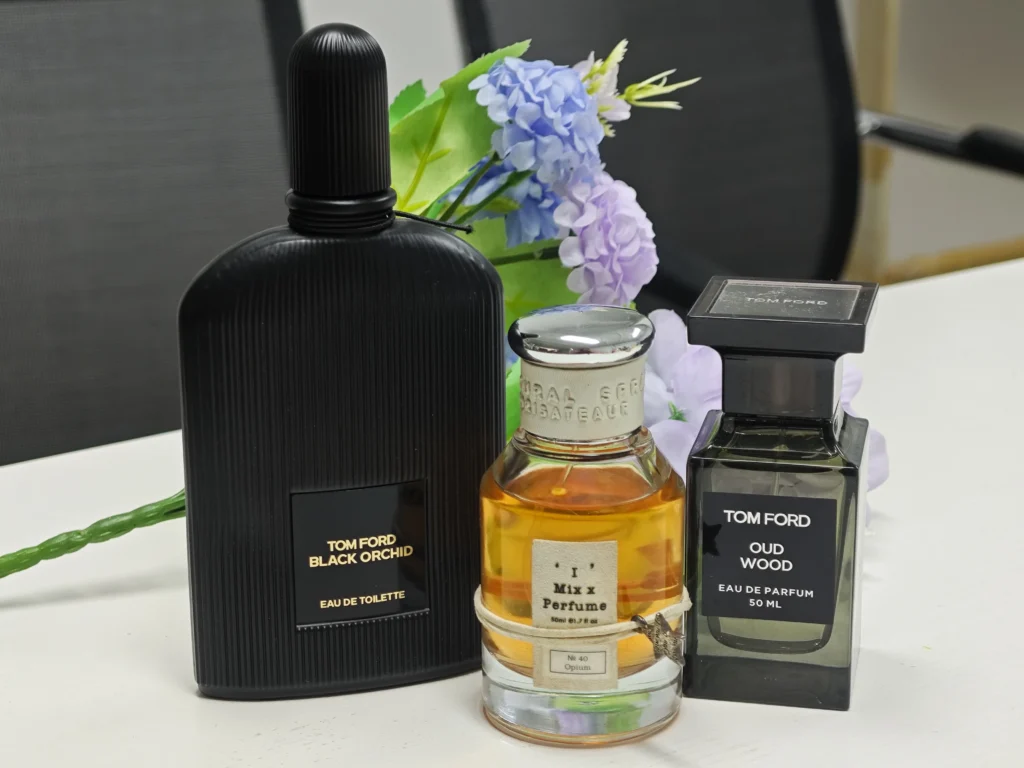
Jun
How to Build a Complete Men’s Fragrance Wardrobe with the Best Cologne Dupes in the USA (An Insider’s Guide)
Author: Linus Dacke Thall – Supply Chain & Fragrance Industry Analyst
Article Summary: In today’s grooming landscape, smelling exceptional should not require taking out a second mortgage. This comprehensive guide lifts the veil on the global perfume industry’s supply chain, explaining the scientific and manufacturing processes—like Gas Chromatography-Mass Spectrometry (GC-MS) and maceration—that make high-quality fragrance dupes possible. By understanding the true economics of scent, you will learn how to strategically build a versatile men’s fragrance wardrobe for the office, date nights, and gym sessions using the best cologne dupes in the USA. Featuring in-depth molecular analysis, independent market comparisons, two detailed comparative tables, and an extensive FAQ, this article provides a balanced, consumer-friendly look at why smart shoppers are turning to alternative fragrance houses—including notable names like Dossier, Oakcha, ALT Fragrances, Zara, and Imixx—to experience luxury profiles without the designer markup.
The Economics of Scent: Why Do Designer Colognes Cost $300+?
If you have ever walked through a high-end department store in the USA and sprayed a $350 bottle of designer cologne, you might have wondered: Is this liquid actually worth its weight in gold? As an analyst who studies the cosmetic and fragrance manufacturing process, I want to break down the reality of what you are actually buying. When you purchase a luxury fragrance, you are not just paying for the juice inside the bottle; you are paying for an elaborate, global ecosystem.
The traditional luxury fragrance model relies on a heavy cost structure. When you purchase a bottle from prestigious houses—whether it is commercial giants like Dior, Chanel, Versace, Armani, and Gucci, or niche powerhouses like Creed, Le Labo, By Kilian, Tom Ford, and Maison Francis Kurkdjian—a significant portion of your money funds things that have nothing to do with how the cologne smells.
As documented by industry insiders (such as in Chandler Burr’s renowned book The Perfect Scent), these costs include multimillion-dollar celebrity endorsement campaigns, heavy custom-milled glass bottles from European glassworks, massive retail space markups, and the sheer “brand tax” associated with a famous logo. The global perfume market is brilliantly designed to sell you an aspiration. But what if you just want to smell great? This is where the concept of fragrance dupes for men transitions from a simple budget hack into a smart, scientifically backed consumer choice.
Table 1: Illustrative Cost Breakdown (Traditional vs. Direct-to-Consumer Dupe Model)
Note: The following table represents an illustrative industry estimate based on average cosmetic manufacturing data and direct-to-consumer supply chain models. Actual costs vary by brand, region, and specific raw materials.
| Cost Component | Traditional Luxury Cologne ($250 – $300 Retail) | Premium Direct-to-Consumer Dupe ($40 – $60 Retail) | Supply Chain Context |
|---|---|---|---|
| The “Juice” (Oils, Synthetics & Alcohol) | ~$8 – $15 (Approx. 3-5%) | ~$10 – $18 (Approx. 25-30%) | Alternative brands often allocate a higher percentage of their budget directly to raw materials and higher oil concentrations (Eau de Parfum). |
| Packaging & Bottling | ~$20 – $40 (Heavy glass, magnetic caps, custom boxes) | ~$5 – $8 (Standardized, minimalist bottles) | Standardized bottling across all scents reduces overhead and tooling costs drastically. |
| Marketing, PR & Celebrity Ads | ~$60 – $100 (Global billboards, magazine spreads) | ~$2 – $5 (Social media, organic search, community reviews) | Alternative brands rely heavily on community feedback rather than A-list celebrity faces. |
| Retail Markup & Distribution | ~$100 – $150+ (Department store cuts, distributors) | $0 – $5 (Direct-to-consumer shipping operations) | Selling directly online eliminates the massive margins required by traditional brick-and-mortar stores. |
The Science of Scent Clones Explained for Everyday Buyers
A common misconception is that fragrance clones are mixed haphazardly in a backroom. In reality, the modern alternative fragrance industry relies heavily on sophisticated analytical chemistry. The foundation of the best cologne dupes is a technology called Gas Chromatography-Mass Spectrometry (GC-MS).
Think of GC-MS as a high-tech recipe scanner used in laboratories worldwide. When a lab analyzes a complex scent, the GC-MS machine isolates the individual aromatic molecules. It helps chemists identify the exact percentage of synthetic notes (like Ambroxan, which gives a salty, skin-like warmth, or Iso E Super, a velvety, woody cedar note) as well as natural absolutes used in the original formula.
However, having the recipe is not enough. The secret to creating reliable, long-lasting Creed clones or a well-rounded Tom Ford Oud Wood dupe lies in the blending and the maceration process.
Maceration is essentially the fragrance industry’s equivalent of aging wine or whiskey in barrels. Once the concentrated fragrance oils are blended with high-grade perfumer’s alcohol, the mixture needs to rest in a temperature-controlled environment. During this resting period (which can last from four to eight weeks), the harsh alcohol edge softens, and the molecular bonds of the top, heart, and base notes fuse seamlessly together. A well-macerated fragrance smells smooth and rounded from the very first spray.
Safety and Industry Standards (IFRA)
Responsible alternative fragrance brands formulate their products to be compliant with IFRA (International Fragrance Association) standards. IFRA sets the global guidelines for safe usage levels of specific aromatic compounds to minimize the risk of skin irritation. When shopping for dupes, it is crucial to choose brands that transparently state their adherence to these cosmetic safety standards, ensuring you are applying a product that is both high-quality and dermatologically safe.
Navigating the USA Dupe Market: A Fair Look at the Top Players
Because the demand for affordable fragrances has exploded in the USA, several brands have stepped up to provide alternatives. To build trust and make an informed decision, it is important to look at the market holistically. Here is a fair, empirical assessment of some of the popular players in the alternative fragrance space, based on community consensus and independent testing:
- Fast Fashion Brands (e.g., Zara): Zara has become famous for releasing fragrances that closely mimic popular designer DNAs (like their Zara Vibrant Leather acting as an Aventus alternative). Pros: Extremely affordable (often under $25) and easily accessible in malls. Cons: They are usually formulated as Eau de Toilette (EDT) and often suffer from poor longevity, requiring frequent reapplication.
- Dossier: A highly popular US-based brand known for its minimalist packaging and transparent note breakdowns. Pros: Excellent return policy, clear marketing, and solid accuracy for commercial designer scents (like their clones of Dior Sauvage or YSL Y). Cons: Some fragrance enthusiasts note that their performance on heavier, niche scent profiles can sometimes fall short of the originals in terms of sillage.
- Oakcha & ALT Fragrances: These brands focus heavily on the niche market (cloning brands like By Kilian, Roja, and Maison Francis Kurkdjian). Pros: High oil concentrations (often Extrait de Parfum) which lead to massive longevity. Cons: Prices are slightly higher (often $40-$70), and the initial spray can sometimes feel a bit dense or heavy, requiring a 10-minute dry-down before the true scent emerges.
- Imixx: Positioning itself as a premium, factory-direct alternative, Imixx focuses intensely on the supply chain and the maceration process. Pros: By enforcing strict aging processes and utilizing high-quality base oils, Imixx aims to solve the “harsh opening” problem common in cheaper clones, offering a smooth experience with excellent longevity. Cons: As a specialized online retailer, you cannot test them in a physical store before buying, relying instead on detailed scent profiles and community reviews.
A smart consumer doesn’t need to be loyal to just one brand. Building a great fragrance wardrobe often means picking the best specific clones from various houses based on your personal preferences, budget, and desired performance.
How to Build Your Men’s Fragrance Wardrobe Using Dupes
Owning just one “signature scent” is an outdated concept. Modern grooming dictates that you should have a “fragrance wardrobe”—a rotation of scents tailored for different environments, seasons, and moods. Because designer-inspired perfumes are so affordable, building a 5-piece or even 10-piece wardrobe is now easily accessible. Here is how to construct it strategically.
1. The Office & Everyday Scent (The Clean & Professional Profile)
In a professional environment or a close-quarters office, you want a fragrance that is mass-appealing, fresh, and non-offensive. You need something that cuts through the air without choking your coworkers.
The Profile: Look for notes of Calabrian bergamot, lavender, vetiver, and clean musk. Scents in the vein of Bleu de Chanel, Prada L’Homme, or Versace Pour Homme define this category.
The Strategy: By utilizing high-quality clones, you can apply your everyday scent liberally. The best Dior Sauvage clone on the market will utilize a robust dose of Ambroxan to ensure it lasts an 8-hour workday, delivering that fresh-out-of-the-shower aura from 9 AM to 5 PM without breaking the bank.
2. The Date Night & Evening Scent (The Seductive & Warm Profile)
When the sun goes down, your fragrance should become warmer, deeper, and more intimate. Date night fragrances rely heavily on spices, woods, leather, and sweet gourmand (food-like) notes.
The Profile: Cardamom, vanilla, oud (agarwood), tobacco, and rum. Legendary profiles include YSL La Nuit de L’Homme, Dolce & Gabbana The One, Maison Margiela Jazz Club, and By Kilian Angels’ Share.
The Strategy: A high-quality Tom Ford date night dupe (like an alternative to Oud Wood or Tobacco Vanille) is essential here. Because these heavy base notes are inherently long-lasting, choosing a premium alternative guarantees the scent will linger on your skin long into the night.
3. The Summer & Gym Scent (The Fresh & Aquatic Profile)
Heat intensifies fragrance. In the blazing US summer or during a heavy workout, rich woody scents can turn cloying and overwhelming. You need high-energy, volatile top notes that provide a cooling sensation.
The Profile: Sicilian lemon, grapefruit, sea salt, calone (a synthetic note that smells like a sea breeze), and mint. Think of the DNA of Hermès Terre d’Hermès Eau Givrée, Jo Malone Wood Sage & Sea Salt, or the ultimate king of fresh-meets-smoky, Creed Aventus.
The Strategy: Finding the best clone for Creed Aventus or other affordable summer fragrances for men is crucial because citrus top notes burn off quickly. A well-formulated dupe anchors these fleeting citrus notes with synthetic musks, extending their lifespan far beyond cheap drugstore body sprays.
4. The Niche & Avant-Garde Statement Scent
Sometimes you want to stand out and smell like absolutely nothing else in the room. Niche perfumery pushes boundaries with unusual note combinations that challenge traditional profiles.
The Profile: Saffron, bitter almond, spun sugar, metallic notes, or intense animalic musks. This realm is dominated by brands like Maison Francis Kurkdjian (Baccarat Rouge 540), Byredo, Serge Lutens, Juliette Has A Gun, Penhaligon’s, Attar Collection, Vilhelm Parfumerie, Thomas Kosmala, and Mancera.
The Strategy: Niche fragrances often exceed $300 to $500 a bottle. Purchasing alternatives of these artistic scents allows you to experiment with daring, polarizing profiles without financial regret. If you buy a dupe of a challenging leather scent and realize you only wear it twice a year, a $40 investment is a smart choice.
Table 2: Scent Profile & Ingredient Breakdown for Men
Use this guide to understand what you are smelling and find the right category for your lifestyle.
| Wardrobe Category | Key Chemical/Natural Ingredients | Olfactive Family | Ideal Usage Scenario | Designer Inspirations |
|---|---|---|---|---|
| Everyday / Office | Dihydromyrcenol (citrus/floral), Linalool, Clean Musks | Aromatic Fougère / Woody Aquatic | Office, casual errands, post-shower. | Bleu de Chanel, Acqua di Gio, Prada L’Homme |
| Date Night / Winter | Coumarin (Tonka bean), Vanillin, Natural/Synthetic Oud | Oriental / Woody Spicy / Gourmand | Romantic dinners, evening events, cold weather. | YSL La Nuit de L’Homme, TF Oud Wood, Margiela Jazz Club |
| Summer / Active | Limonene (Citrus), Calone (Melon/Marine), Vetiverol | Citrus / Aquatic / Fresh Spicy | Gym, beach days, high-heat summer days. | Creed Aventus, D&G Light Blue, Hermès Terre d’Hermès |
| Avant-Garde / Niche | Ethyl Maltol (Cotton candy sweet), Saffron extract, Cashmeran | Woody Floral Musk / Leather | Art galleries, fashion events, making a bold statement. | MFK Baccarat Rouge 540, Byredo Gypsy Water, Mancera Cedrat Boise |
The Legal and Ethical Reality of Fragrance Dupes in the USA
One of the most common questions consumers have is regarding the legality of these alternative brands. To put it simply: yes, purchasing and selling fragrance dupes is 100% legal in the United States.
Under US Intellectual Property law, an olfactive profile—the actual scent of the liquid—is considered a “functional” element of nature and chemistry. You cannot patent the smell of a rose mixed with vanilla. The legal precedent for this was famously solidified in cases like Smith v. Chanel (1968), where the courts ruled that a competitor could legally claim their product was equivalent to Chanel No. 5, provided they did not confuse the consumer as to the true manufacturer.
What is strictly protected by the Lanham Act (US trademark law) are the brand names, the specific logos, and the unique, patented bottle designs. This is why reputable alternative brands (like Dossier, Oakcha, or Imixx) use their own distinct brand names, standardized proprietary bottles, and simply state that their product is “inspired by” a well-known scent for descriptive, comparative purposes. As long as a company is not trying to trick you into believing you are buying a genuine bottle of Dior (which would make it a counterfeit/fake), the practice of creating “scent-alikes” is a legitimate and highly competitive industry.
The Art of Application: Maximizing Longevity
As anyone who studies cosmetics will tell you, the performance of even the highest quality cologne clones is heavily dependent on your personal skin chemistry and application technique. Here is an empirical approach to getting the most out of your fragrance wardrobe:
- Skin Chemistry & Hydration: Fragrance oils bind to lipids (fats) on your skin. If you have naturally oily skin, fragrances will generally project louder and last longer. If you have dry skin, the alcohol base evaporates rapidly, taking the precious fragrance oils with it. Pro Tip: Always apply an unscented moisturizing lotion to your pulse points (neck, inner wrists, behind the ears) before spraying. This creates a lipid barrier that anchors the scent.
- Don’t Rub Your Wrists: A common mistake is spraying fragrance on one wrist and violently rubbing them together. The friction creates heat, which can prematurely burn off the delicate top notes (like citrus and light florals), disrupting the intended progression of the scent. Simply spray and let it air dry.
- The Art of Layering: Building a fragrance wardrobe opens the door to layering—combining two different scents to create a bespoke aroma. A popular industry trick is to use a linear, single-note molecule fragrance (like a clone of Juliette Has A Gun Not A Perfume which is largely the molecule Cetalox) as a base primer, and then spray a complex designer dupe over it. The synthetic molecules in the base layer act as an anchor, dramatically boosting the sillage (the fragrance trail left behind) of the second scent.
Comprehensive Insider FAQ: Everything You Need to Know About Men’s Cologne Clones
To further empower your purchasing decisions, we have compiled detailed, balanced answers to the most common questions men ask about fragrance dupes on Google in the USA.
1. What are the best fragrance dupes for men?
The “best” dupe depends entirely on your needs. For everyday office wear, alternatives inspired by Bleu de Chanel or Acqua di Gio are generally universally appreciated. For making a bold statement, clones of Creed Aventus, Tom Ford Oud Wood, or Maison Francis Kurkdjian Baccarat Rouge 540 are highly sought after. Brands like Dossier, Zara, Oakcha, ALT, and Imixx are frequently cited by consumers as offering some of the highest quality replications on the market today.
2. Are cologne dupes actually worth buying?
Economically and practically, yes. When you analyze fragrance forums like Basenotes or Fragrantica, there is a broad consensus that the liquid inside a $300 bottle represents a fraction of the retail cost. By buying a high-quality alternative from a transparent brand, you bypass the luxury markup, offering an excellent return on investment for your daily grooming routine.
3. What is the best clone for Creed Aventus?
Creed Aventus is notorious in the fragrance community. It is difficult to clone perfectly because of its unique contrast between sharp, acidic pineapple and smoky birch tar/oakmoss. The best clones use advanced chemical analysis to balance synthetic fruit esters with deep, resinous woody bases. Look for alternatives that specifically highlight a “smoky pineapple” accord and are produced by brands that emphasize a proper maceration period to smooth out the sharp citrus.
4. Do fragrance clones last as long as the original?
Performance varies widely based on formulation. In empirical community wear-tests, a premium alternative formulated at an Extrait de Parfum concentration (a higher percentage of fragrance oils) will often outlast an original designer fragrance that is only sold as an Eau de Toilette (a lower percentage). However, longevity is also highly dependent on the specific notes—heavy vanillas and ouds will always last longer than light citrus, regardless of the brand.
5. How close do perfume dupes smell to designer colognes?
Top-tier dupes typically achieve a very high degree of similarity, often cited by reviewers as being 85% to 95% accurate to the original inspiration. While the initial blast (the opening 60 seconds) might sometimes feel slightly different as the carrier alcohol evaporates, the crucial heart notes and the long-lasting base notes (the dry-down) are usually remarkably close. In a blind “smell test,” most people passing you on the street will not be able to tell the difference.
6. What is the best Tom Ford Oud Wood dupe?
Oud (agarwood) is a complex, resinous note that is incredibly expensive to source naturally. The best Oud Wood alternatives capture its medicinal, woody, and slightly sweet profile using high-quality synthetic oud accords blended with rosewood, cardamom, and sandalwood. A high-quality dupe will preserve the creamy, sophisticated dry-down without leaning too “skanky” or animalic.
7. Are cheaper colognes safe for sensitive skin?
There is a massive difference between a mystery “flea market” knockoff and a product from a reputable, registered alternative brand. Established brands formulate their products in compliance with IFRA guidelines, which dictate safe usage levels for allergens and aromachemicals, and they use cosmetic-grade alcohol. However, if you have highly sensitive skin or known allergies (like to Linalool or Limonene), you should always perform a patch test first.
8. Which brand makes the highest quality cologne clones?
There is no single “best” brand, as different companies excel at different profiles. Dossier is praised for accessibility and a great return policy; Alexandria and Oakcha are loved for niche profiles and strong performance; Zara is great for extreme budgets. Imixx is gaining a strong reputation for emphasizing supply chain transparency, quality raw materials, and proper maceration to ensure a smooth, premium feel.
9. What exactly is a fragrance dupe?
A fragrance dupe (duplicate or alternative) is an original, legally manufactured perfume that is formulated to smell remarkably similar to a famous, expensive designer fragrance. They are “inspired by” the original. They do not copy the logos, bottles, or trademarked names of the originals—doing so would make them illegal counterfeit goods.
10. Is it legal to buy and sell fragrance dupes?
Yes. As mentioned earlier regarding the Lanham Act, in the USA, scent profiles cannot be copyrighted. As long as the alternative brand does not infringe on the trademarked name, logo, or proprietary bottle design of the designer brand, creating and selling a fragrance that smells similar is completely lawful and encourages a healthy, competitive market.
11. What is the best Dior Sauvage clone on the market?
Dior Sauvage relies on a massive dose of the synthetic molecule Ambroxan mixed with spicy Calabrian bergamot and Sichuan pepper. The best alternatives do not skimp on the Ambroxan. They deliver that same sharp, metallic, shower-gel freshness and boast strong projection, making them perfect for both the office and high-energy environments.
12. Why are designer-inspired perfumes so much cheaper?
Designer perfumes carry a massive markup to cover non-fragrance-related costs: celebrity ambassadors, global TV and magazine ad campaigns, premium retail shelf space at department stores, and expensive custom glass. Alternative brands operate mostly Direct-to-Consumer (DTC) online with standardized bottles, cutting out all these massive overheads and passing the savings to the buyer.
13. Do perfume dupes get better as they age (maceration)?
Yes, many fragrance enthusiasts swear by the maceration process. When you receive a fresh bottle of a dupe, the oils and alcohol may have been recently mixed. By spraying it a few times to introduce oxygen into the tube, and then letting the bottle sit in a cool, dark place for a few weeks, the harsh alcohol top notes often smooth out. The base notes (like vanilla, woods, and musks) become richer and much more prominent.
14. Should I buy oil-based or alcohol-based fragrance dupes?
For men seeking projection and sillage (a scent trail that others can smell as you walk by), alcohol-based sprays are generally superior. Alcohol is volatile; as it evaporates off your body heat, it lifts the fragrance molecules into the air. Oil-based dupes (like roll-ons) tend to sit very close to the skin. They may last a long time, but they have almost zero projection. For the traditional cologne experience, alcohol-based sprays are the way to go.
15. What are the most complimented cheap men’s colognes?
The most complimented profiles usually fall into two main categories: “Blue” shower-fresh scents (inspired by Bleu de Chanel, Versace Dylan Blue, Dior Sauvage) which signal cleanliness and approachable professionalism, and “Sweet/Spicy” evening scents (inspired by YSL La Nuit de L’Homme, Creed Aventus, Parfums de Marly Layton) which are alluring and mysterious. High-quality alternatives of these DNAs will consistently pull compliments.
16. How do I choose the right cologne dupe online without smelling it first?
Shopping blindly requires a bit of research. Look at the “fragrance notes” breakdown provided by the brand. If you know you enjoy the citrusy, woody vibe of Terre d’Hermès, look for alternatives that list grapefruit, vetiver, and cedar. Utilize community resources like Fragrantica or Reddit’s fragrance communities to understand the olfactive family of scents you already like, and then find the corresponding alternative. Most reputable brands also provide clear descriptions of the “vibe” and ideal scenario for each scent.
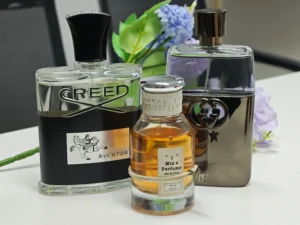
Conclusion: Democratizing Luxury Scent in the USA
The landscape of men’s grooming is undergoing a massive shift. The modern consumer is highly educated, demanding transparency, scientific backing, and tangible value for their hard-earned money. By understanding the core chemistry of aromachemicals and the intense markups of the traditional luxury supply chain, you no longer have to be locked out of the world of high perfumery.
Whether you are looking to replicate the deep, resinous mystery of a middle-eastern oud, the fresh boardroom confidence of a blue aquatic, or the avant-garde sweetness of a niche masterpiece, factory-direct formulations make it entirely possible to build a massive, versatile fragrance wardrobe on a sensible budget.
The market offers fantastic options from established players like Dossier, Zara, and Oakcha. We encourage you to explore these options, trust in the science of modern perfumery, respect the maceration process, and let your scent speak for itself—not the logo on the bottle. If you are looking for premium, carefully macerated alternatives that prioritize the quality of the juice above all else, we also invite you to explore the offerings at Imixx as you build your ultimate scent profile.
Ready to start building your wardrobe? Compare the market, read the reviews, and if you are curious about our meticulously crafted, highly concentrated alternatives, you can Shop the Full Imixx Collection Here.
