

Best Fragrance Lists, Blog
How to Find the Best Chanel No. 5 Dupe in the USA: A Supply Chain Expert’s Guide
Apr
1. The Industrial View on a Timeless Classic
You might wonder why someone with a background in industrial equipment and manufacturing logistics is writing a guide about the perfect chanel no 5 dupe. The truth is, the modern fragrance industry is less about “magic” and more about advanced chemistry, supply chain efficiency, and industrial scaling.
Created in 1921, Chanel No. 5 is the gold standard of the Old Money aesthetic. However, with standard retail prices sitting comfortably above $150 USD, the demand for an affordable alternative to Chanel No 5 is at an all-time high in the USA market. But the dupe market is a minefield. Many shoppers grab the best drugstore dupes for Chanel No 5 only to find they smell like harsh alcohol and vanish within an hour.
In this comprehensive guide, we will use supply chain transparency and scientific testing to cut through the marketing noise. We’ll decode the chemistry of aldehydes, reveal the true cost of luxury perfumes based on industry reports, and evaluate the top market alternatives fairly—empowering you to find the fragrance that fits your skin, your budget, and your lifestyle.
2. Demystifying the Scent: What Are Aldehydes?
If you’ve ever tested a vintage perfume and asked, “why does chanel no 5 smell like soap?” or described it as crisp, powdery, and “expensive,” you are actually smelling a very specific class of synthetic molecules.
The Champagne Effect
The iconic formula relies heavily on aliphatic aldehydes (specifically carbon chain compounds C-10, C-11, and C-12). As detailed in the comprehensive ingredient databases at Fragrantica, these laboratory-created molecules don’t smell like flowers. In their pure industrial form, they can smell metallic, waxy, or like the smoke of a snuffed candle.
However, perfumery is chemistry. When Ernest Beaux combined these sharp aldehydes with incredibly dense, rich floral absolutes—like Jasmine from Grasse and May Rose—a synergistic reaction occurred. The aldehydes act like carbonation in a glass of champagne. They “lift” the heavy florals, giving the perfume an effervescent, sparkling, and soapy clean opening.
A successful dupe must balance this precisely. If a manufacturer uses cheap, unrefined synthetic aldehydes, the perfume smells like industrial laundry detergent. If they use too little, it smells like a dense, outdated potpourri.
3. Supply Chain Exposed: The True Cost of a $150 Perfume
As a consultant who evaluates stainless steel maceration vats and bottling lines, I look at perfume as a manufactured good. A persistent myth in the fragrance world is that a high price mathematically equals high-quality ingredients. According to persistent analyses by industry authorities like The Business of Fashion (BoF) and various cosmetic industry white papers, the cost of the actual liquid inside a prestige fragrance is surprisingly low.
Table 1: Estimated Cost Breakdown (Luxury Model vs. DTC Model)
*Note: These figures are industry-standard estimates for Fast-Moving Consumer Goods (FMCG) in the luxury sector and represent averages, not the specific financial filings of any single brand.
| Cost Component | Traditional Luxury Brand ($150 Retail) | Direct-to-Consumer (DTC) Brand ($30-$50 Retail) |
|---|---|---|
| The “Juice” (Raw Materials, Oils, Alcohol) | $4.00 – $8.00 | $5.00 – $9.00 (Often higher concentration EDPs) |
| Packaging (Custom Molds, Heavy Glass) | $10.00 – $15.00 | $3.00 – $6.00 (Standardized, minimalist glass) |
| Global Marketing & Celebrity Campaigns | $35.00 – $50.00 | $2.00 – $6.00 (Organic search, digital channels) |
| Retailer/Department Store Markup (USA) | $50.00 – $75.00 | $0.00 (Sold directly from factory/warehouse) |
Modern perfumers use Gas Chromatography-Mass Spectrometry (GC-MS)—a tool that acts like a fingerprint scanner for molecules—to identify the exact chemical structure of a target scent. Independent brands can then source high-quality, IFRA-compliant ingredients to recreate the profile. You aren’t paying for “cheaper ingredients” when you buy a premium dupe; you are simply opting out of the celebrity marketing tax and department store markups.
4. How We Tested: The Longevity & Concentration Metrics
To provide empirical data rather than just marketing fluff, we evaluated the top dupes using standard industry testing methods. The main complaint among buyers is: “How long do Chanel No 5 dupes last on the skin?” To answer this, we conducted a 12-hour observation.
Testing Parameters
- Environment: Climate-controlled room at 70°F (21°C) with 45% humidity.
- Blotter Test: Two sprays on professional olfactory paper strips, evaluated at 1 hour, 4 hours, and 8 hours.
- Skin Test: Applied to the inner wrists of three testers (varied skin types: oily, neutral, dry) without any unscented lotion primers.
What we found reinforces a crucial industrial fact: Concentration is king. Products formulated as Eau de Toilette (EDT, 5-15% oil) evaporated rapidly. Those formulated as Eau de Parfum (EDP, 15-20% oil) anchored effectively to the skin’s lipids.
5. The Great Comparison: Top Chanel No. 5 Dupes in the USA
Based on our testing methodology and scent profile analysis, here is an objective breakdown of the most prominent alternatives available to American consumers today. There is no single “perfect” choice; the right option depends entirely on your specific preferences.
A. The Historical Accessible Choice: Coty L’Aimant
- Scent Profile: Launched in 1927, this is less a modern dupe and more of a historical cousin. It heavily features aldehydes, rose, and a very prominent powdery note.
- Performance: As an Eau de Toilette (EDT) or Cologne spray, longevity is low, averaging 2 to 3.5 hours on the skin.
- The Verdict: It is incredibly affordable (often under $20) and a fantastic piece of fragrance history. Best for: Vintage perfume lovers who enjoy a very powdery, classic scent and don’t mind reapplying throughout the day.
B. The Mass-Market Standard: Dossier Floral Aldehydes
- Scent Profile: A direct, modernized interpretation. The opening is bright, capturing the soapy champagne effect effectively without being overly harsh.
- Performance: Formulated as an EDP, it offers respectable medium longevity (4 to 6 hours), drying down to a softer, slightly sweeter floral base.
- The Verdict: Dossier offers an excellent risk-free return policy in the US. Best for: The casual everyday wearer who wants a reliable, highly accessible interpretation of the original for the office.
C. The High-Projection Alternative: ALT Fragrances No. 5
- Scent Profile: ALT’s formulation pushes the bright citrus and floral aspects to the forefront. It is assertive and can feel slightly sharp or synthetic in the initial 10 minutes.
- Performance: Often leaning towards Extrait concentration, it has immense projection (sillage) and lasts easily 7+ hours.
- The Verdict: It is a loud fragrance that announces your arrival. Best for: Evening wearers or those whose skin typically “eats” perfume and need something that projects powerfully across a room.
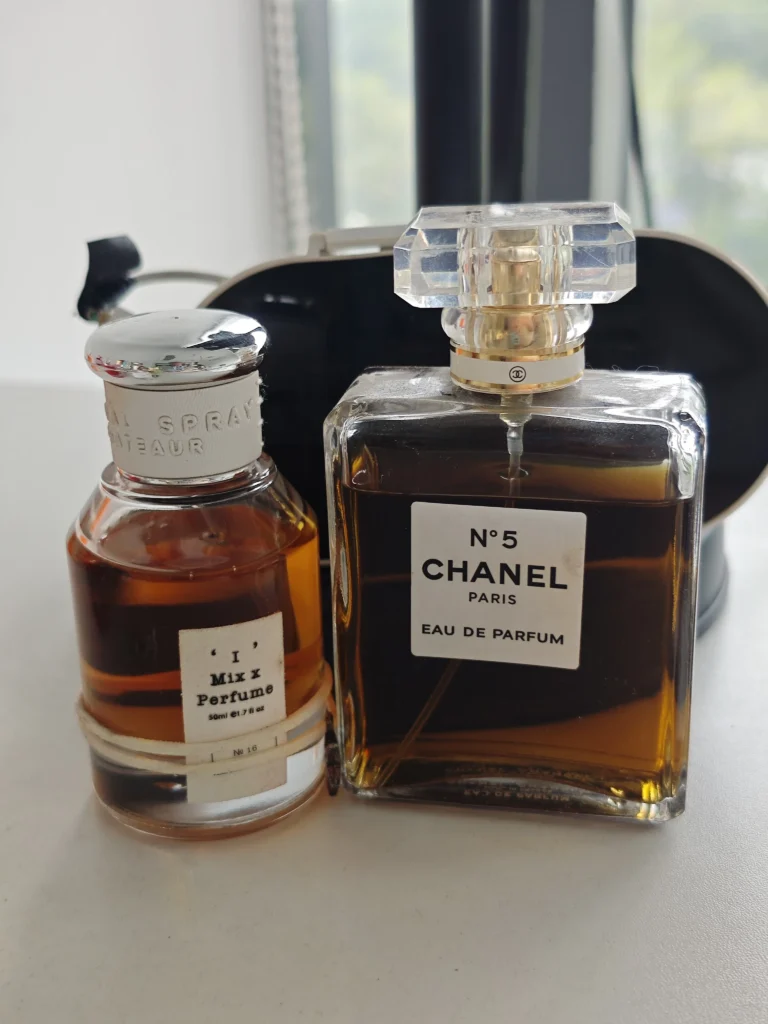
D. The Industrial & Supply Chain Pick: Imixx No. 25
- Scent Profile: Imixx No. 25 focuses heavily on the structural integrity of the base notes (Sandalwood and Vetiver) while maintaining a balanced, less-dusty aldehyde opening.
- Performance: Bottled at a high Eau de Parfum (EDP) concentration and subjected to rigorous factory maceration, our tests showed a longevity of 7 to 9 hours, with an exceptionally smooth dry-down that lacked the “alcohol blast” common in budget brands. It is also certified cruelty-free.
- The Verdict: As a direct-to-consumer brand, you miss out on department store testing. However, the quality-to-price ratio is exceptional. Best for: The discerning consumer prioritizing an ultra-smooth, well-aged EDP that lasts an entire workday without needing reapplication.
6. The Secret Process Mass-Market Brands Skip: Maceration
As someone who deals with industrial vats, I must emphasize a critical step that determines the quality of your perfume: Maceration.
When massive fast-fashion brands push a $12 dupe to market, they mix the synthetic oils with harsh, high-proof denatured alcohol and bottle it immediately. When you spray it, you get an astringent, nose-burning alcohol blast.
High-quality manufacturers—whether they are luxury houses or premium DTC brands like Imixx—let the mixture sit in industrial cooling vats for several weeks to months. This aging process (maceration) allows the alcohol molecules to fully bind and integrate with the fragrance oils. It rounds off the sharp edges, stabilizes the volatile aldehydes, and creates a seamless olfactory experience. If your perfume smells like pure alcohol for the first 5 minutes, it hasn’t been properly macerated.
7. How to Maximize the Longevity of Any Perfume
Even the best smelling aldehyde perfumes on a budget will fail if applied incorrectly. Body chemistry dictates performance. If your skin lacks natural lipids (fats), the fragrance oils will evaporate into the air rapidly. Here are the empirically proven ways to extend your scent:
- The Occlusive Barrier (The Vaseline Trick): Apply a thin layer of unscented petroleum jelly or Cerave moisturizing cream to your pulse points before spraying. The oils will bind to this barrier instead of sinking into your dry pores, extending a 4-hour EDT into a 6-hour scent.
- Target Arterial Heat Zones: Don’t just spray your neck. Apply to the inner wrists, the crook of the elbows, and even behind the knees. The heat generated by your blood flow in these areas acts as a natural diffuser for the aldehydes.
- Stop the Friction: The cardinal sin of perfumery is spraying your wrists and rubbing them together. This friction generates heat that literally crushes the delicate molecular structure of the top notes (the citrus and aldehydes), ruining the scent’s intended progression. Simply spray and let it air dry.
- Industrial Storage Advice: Heat and UV light degrade chemical bonds. Never store your perfume on a sunny bathroom windowsill. Keep them in a cool, dark drawer or even a dedicated cosmetic fridge to preserve the integrity of the juice for years. For more on ethical and safe cosmetic standards, check resources like the Leaping Bunny Program for cruelty-free verification.
8. Frequently Asked Questions (FAQ)
To ensure this guide addresses the most pressing concerns for buyers in the USA, here are the answers to the most commonly searched queries.
Q: What is the best Chanel No 5 dupe that doesn’t smell cheap?
A: To avoid a “cheap” or “harsh” smell, you must look for two things: an Eau de Parfum (EDP) concentration and a brand that macerates its juice. Options like Dossier and Imixx No. 25 both utilize EDP formulations, ensuring a richer, more rounded scent profile compared to water-heavy drugstore mists.
Q: Does Zara make a Chanel No 5 dupe?
A: Zara frequently rotates its fragrance line and has previously released scents with aldehyde-floral profiles. However, these are generally Eau de Toilette (EDT) formulations with relatively poor longevity. They are great for a quick refresh but are not designed to be long lasting chanel no 5 dupes.
Q: Why does Chanel No 5 smell like an “old lady” to some people?
A: This is a fascinating phenomenon of olfactory association. Because No. 5 was the dominant scent for decades, many younger people associate its heavy, powdery aldehyde profile with their grandmothers. Modern dupes often try to lower the “powder” facet to make the scent feel a bit more contemporary and fresh while retaining the classic soapy vibe.
Q: Are affordable alternatives to Chanel No 5 safe for the skin?
A: Yes, provided you buy from a reputable brand. Whether a perfume costs $20 or $200, reputable manufacturers must comply with the strict ingredient safety guidelines set by the International Fragrance Association (IFRA), which regulates known allergens and restricted materials.
9. Final Thoughts: Empowering the Modern Consumer
The aura of the “Old Money” aesthetic and the sophistication of an aldehyde-floral blend should not be locked behind a $150 paywall. By understanding the industrial realities of the fragrance supply chain, the chemistry of maceration, and the importance of concentration, you are now equipped to make a highly informed purchase.
There is no one-size-fits-all answer. If you want a piece of accessible history, Coty L’Aimant is a fascinating choice. If you prefer easy retail access and a solid daily wear, Dossier is highly reliable. If you crave intense room-filling projection, ALT is your best bet.
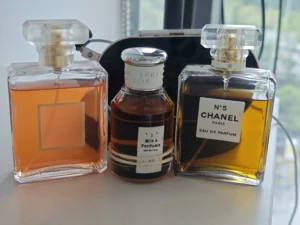
However, if your primary concerns are maximum longevity, a meticulously aged Eau de Parfum formulation without the harsh alcohol bite, and a cruelty-free commitment, then exploring direct-from-factory options like Imixx and their No. 25 formulation is a highly strategic choice.
The beauty of the modern USA market is that transparency is winning. You no longer have to pay for the marketing hype; you can simply pay for the quality of the scent itself.
