

Best Fragrance Lists, Blog
How to Find the Best Tom Ford Soleil Blanc Dupe in the USA: A Master Perfumer’s Guide to Luxury Summer Scents
Apr
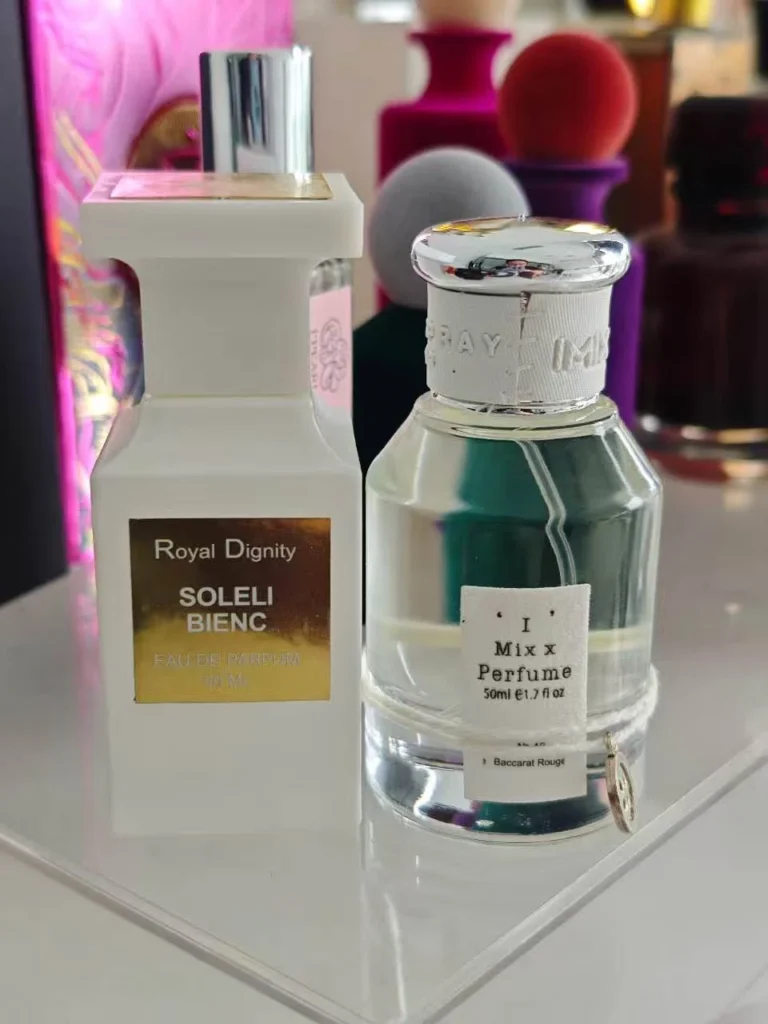
Every summer in the USA, a familiar quest begins. Fragrance lovers search for that perfect, sun-drenched “vacation in a bottle.” For years, the gold standard for this specific olfactory category has been Tom Ford Soleil Blanc Dupe. It is the quintessential “bougie sunscreen” scent—a masterclass in blending creamy coconut, exotic white florals, and warm amber to evoke the feeling of a private beach resort.
However, there is a significant hurdle: the price. Retailing well over $200 to $300 at major department stores like Sephora and Neiman Marcus, it represents a massive investment for a seasonal fragrance. Furthermore, a common critique within the fragrance community (frequently discussed on forums like Basenotes) is its moderate longevity. Paying top tier prices for a scent that fades after four hours leaves many consumers asking: Is there a better way?
The answer is yes, but it requires navigating a minefield of poorly formulated “cheap clones.” In this comprehensive guide, we are stepping out of the marketing matrix and entering the laboratory. We will explore the actual chemistry of a long-lasting Soleil Blanc dupe, objectively review the top alternatives available in the USA (from drugstore finds to direct-to-consumer lab brands), and empower you with the knowledge to choose the best luxury fragrance alternative for your skin and budget.
Part 1: Deconstructing the “Bougie Sunscreen” DNA
Before we can evaluate a cheaper alternative to Tom Ford Soleil Blanc, we must understand what makes the original so captivating. You cannot successfully replicate a masterpiece without understanding its brushstrokes. In perfumery, this scent profile is known as a “Solar Floral.”
The Olfactory Pyramid Explained
A well-constructed perfume is a symphony of molecules with different evaporation rates. Here is the breakdown of the iconic private island scent:
- The Opening (Top Notes): The fragrance opens with a burst of Bergamot, Bitter Orange, Petitgrain, Cardamom, Pink Pepper, and Pistachio. The genius here is the Pistachio and Cardamom. Most cheap summer scents just use lemon or lime. The nutty, slightly spicy green opening prevents the fragrance from smelling like a cheap, sugary body spray right out of the bottle.
- The Heart (Middle Notes): As the top notes evaporate, the floral core emerges. This features Ylang-Ylang (a yellow flower from the Comoros islands known for its banana-like richness), Egyptian Jasmine, and Tuberose. Tuberose is a fleshy, intoxicating white flower. In luxury perfumery, these floral absolutes are carefully balanced so they smell “sun-kissed” rather than heavy or “grandma-ish.”
- The Dry Down (Base Notes): This is the scent that lingers on your skin for hours. It consists of Coconut Milk, Vanilla, Amber, Tonka Bean, and Benzoin (a sweet resin). The goal here is a powdery, dry coconut, not a sticky, sweet piña colada. It should mimic the scent of expensive SPF melting into warm skin.
Part 2: The Illusion of Luxury Pricing (A Supply Chain Reality Check)
If the ingredients are just botanical extracts and laboratory-created aromachemicals, why does a luxury perfume cost $300 in the USA? As someone who works in the fragrance supply chain, I can assure you: you are rarely paying for the liquid inside the bottle.
The traditional luxury fragrance business model is built on an infrastructure of immense overhead. Let’s break down the hidden costs of a typical $250 designer fragrance:
- The “Juice” (Fragrance Oil & Alcohol): $5 to $10. Yes, even in luxury perfumery, the actual liquid is a fraction of the cost.
- Packaging: $10 to $15. Heavy, bespoke glass bottles, magnetic zinc-alloy caps, and textured cardboard boxes add significant manufacturing and shipping weight.
- Marketing & Brand Ambassadors: $40 to $60. Global television campaigns, magazine spreads, and multi-million dollar celebrity endorsements must be recouped.
- Retail Margins: $100 to $130. When you buy a perfume at a major retailer, the store keeps roughly 40% to 60% of the purchase price.
This is where the “Dupe” or “Alternative” market finds its strength. By utilizing a Direct-to-Consumer (DTC) or factory-direct model, brands can strip away the celebrity marketing and retail markups. They can take that original $10 “juice” budget and double or triple it, investing in higher concentrations of oils and longer maceration times, while still selling the final product for under $50.
Part 3: How Independent Labs Recreate Complex Scents
You might wonder, how is it legally and scientifically possible to copy a scent? First, a scent itself cannot be copyrighted, only the brand name and packaging. Second, modern analytical chemistry has made reverse-engineering highly accurate.
The Magic of GC-MS (Gas Chromatography-Mass Spectrometry)
When an independent lab wants to create an impression of a luxury scent, they don’t just sniff it and guess. They put the original perfume through a GC-MS machine. This device separates the complex perfume into its individual chemical components and identifies them based on their molecular mass. It produces a printout showing exactly how much Linalool (a floral-spicy chemical), Ambroxan, or Ethyl Maltol is in the formula.
However, reading a GC-MS report is like reading the sheet music for a Beethoven symphony. Just because you have the notes doesn’t mean you have a world-class orchestra. A skilled perfumer must source the exact right grades of these ingredients. Furthermore, they must ensure the formula complies with the safety standards set by the International Fragrance Association (IFRA), which regulates the safe usage levels of potential allergens.
The Crucial Step Most Brands Skip: Maceration
Have you ever bought a cheap dupe that smelled mostly like rubbing alcohol for the first five minutes? That is a symptom of skipped maceration. Maceration is the aging process of perfume. Once the fragrance oils are blended with perfumer’s alcohol, the mixture needs to sit in a dark, temperature-controlled environment for 4 to 6 weeks. This allows the alcohol to soften and the chemical bonds to harmonize, creating a smooth, rounded scent.
Mass-market clone brands often skip this step to push products to shelves faster, resulting in a harsh, synthetic opening. True quality alternatives prioritize this aging process.
Part 4: The Ultimate Review of Tom Ford Soleil Blanc Dupes in the USA
With our scientific baseline established, let’s objectively review the most popular alternatives currently available to American consumers. We evaluate these based on scent accuracy, ingredient quality, longevity, and accessibility. We believe in transparency, so we are highlighting the strengths and weaknesses of several major players, including our own factory-direct formulation.
1. IMIXX No. 20 (The Factory-Direct Extrait)
As a brand with deep roots in fragrance manufacturing, we developed the IMIXX No. 20 to solve the specific pain points of the original designer scent: high price and moderate longevity. Rather than a standard Eau de Parfum (15-20% oil), No. 20 is formulated as an Extrait de Parfum (25%+ fragrance oil concentration).
- Pros: The highest longevity on this list due to the Extrait concentration. We strictly enforce a 6-week maceration process in our facilities, meaning there is zero harsh alcohol blast upon spraying. The GC-MS matching is incredibly precise, perfectly capturing the difficult pistachio/cardamom opening and the powdery coconut-amber dry down. It is an exceptional value for the concentration.
- Cons: Because IMIXX operates purely direct-to-consumer to keep costs low, you cannot walk into a local mall to test it before buying; you must order it online. The bottle design is minimalist, lacking the heavy luxury feel of a $300 designer bottle.
- Best For: The consumer who prioritizes exact scent replication, superior all-day longevity, and high-quality ingredients over fancy packaging.
2. Dossier “Powdery Coconut”
Dossier has made a massive name for itself in the USA dupe market. Their take on the solar floral DNA is widely accessible and very popular.
- Pros: Very affordable and frequently available at local Walmart stores in the USA. They do an excellent job capturing the mid-notes of Tuberose and the base of coconut. It’s a very pleasant, easy-to-wear summer fragrance.
- Cons: It is somewhat linear. It misses the complex, spicy, nutty opening of cardamom and pistachio that gives the original its high-end, sophisticated edge. The longevity is average (around 4-5 hours), performing more like a standard EDT.
- Best For: Someone looking for a quick, accessible, sweet coconut-floral scent for casual beach days.
3. Fine’ry “Sunphoria” (Target Exclusive)
Available exclusively at Target, the Fine’ry line has brought niche-smelling profiles to the drugstore aisle.
- Pros: Unbeatable price point and ultimate convenience. It captures the general “vibe” of a warm, floral beach scent very well. It is fantastic for throwing in a gym bag or beach tote without worrying about losing or breaking an expensive bottle.
- Cons: The ingredient quality reflects the price. The coconut note leans slightly more synthetic/plastic, and it lacks the rich, buttery depth of real Ylang-Ylang. It evaporates very quickly, requiring constant reapplication throughout the day.
- Best For: Teenagers, students, or anyone on a strict budget who wants the general aura of a summer vacation scent.
4. Sol de Janeiro “Rio Radiance” (Cheirosa 87)
While technically a hair and body fragrance mist rather than a traditional perfume, this has been widely compared to the luxury solar floral DNA.
- Pros: Incredibly vibrant and fun. It layers beautifully with their famous body creams. It hits the tuberose and coconut notes perfectly, offering a slightly sweeter, more gourmand take on the beach theme.
- Cons: It is a body mist. The alcohol content is high, and the fragrance oil concentration is very low. It will project loudly for the first 30 minutes and then fade rapidly to a skin scent.
- Best For: Layering over lotions after a shower, or for a quick, refreshing spritz while actively tanning at the pool.
5. Maison Margiela Replica “Beach Walk”
We include this not as a cheap dupe, but as an alternative in the “luxury” space for those who love the vibe but want a slightly different interpretation.
- Pros: Backed by a major luxury house (L’Oréal), the ingredient quality is superb. It offers a slightly more aquatic, salty take on the beach theme, incorporating lemon and heliotrope alongside the coconut milk.
- Cons: It is still quite expensive (often $160+). It also lacks the specific spicy/nutty pistachio opening that die-hard fans of the Tom Ford DNA are looking for.
- Best For: The consumer who wants a high-end designer fragrance but prefers a salty, fresh ocean breeze scent rather than a creamy, rich suntan lotion scent.
Part 5: Analytical Comparison Data
To help you visualize the differences, we have compiled a sensory and performance analysis based on standard industry evaluation metrics (longevity on paper blotters vs. human skin, and formula concentration).
Table 1: Formularies & Performance Comparison
| Brand / Product | Format / Concentration | Opening Complexity | Estimated Longevity (Skin) | Price Range (USD) |
|---|---|---|---|---|
| The Original Designer | Eau de Parfum (~15%) | High (Spicy/Nutty) | 4 – 6 Hours | $200 – $300+ |
| IMIXX No. 20 | Extrait de Parfum (25%+) | High (Precise Match) | 8 – 10+ Hours | Under $50 |
| Dossier Powdery Coconut | Eau de Parfum | Moderate (Floral) | 4 – 5 Hours | $30 – $40 |
| Fine’ry Sunphoria | Eau de Parfum / Body Mist | Low (Sweet/Simple) | 2 – 3 Hours | Under $30 |
| SDJ Rio Radiance | Body Mist (< 5%) | Moderate (Sweet/Floral) | 1 – 2 Hours | $25 – $40 |
Part 6: Expert Guide to Maximizing Your Summer Scent’s Longevity
A common misconception among consumers is that if a fragrance fades quickly, it is poorly made. While concentration matters (as seen with Extraits like IMIXX No. 20), chemistry and thermodynamics play a massive role. Summer fragrances rely heavily on highly volatile top notes (like citrus and pink pepper) which evaporate rapidly in the summer heat.
To ensure your luxury fragrance alternative lasts from your morning coffee to your sunset dinner, follow these industry-insider application techniques:
- The Lipid Barrier (Moisturize!): Alcohol-based perfumes evaporate instantly on dry skin. After showering, apply an unscented body oil, shea butter, or a complimentary coconut lotion. This creates a lipid layer that traps the fragrance oils, slowing down their evaporation rate.
- Strategic Pulse Points: Don’t just spray your wrists and rub them together (which crushes the delicate top notes). Spray the inner elbows, the back of the knees, and the nape of the neck. These areas generate heat slowly, acting as natural diffusers throughout the day.
- The Fabric Trick: Natural fibers like cotton, linen, and silk hold onto base notes (like Amber and Vanilla) for days. A light mist on your summer scarf or the collar of your linen shirt will guarantee an incredible sillage (scent trail) long after the perfume has faded from your skin.
- Hair Application: Hair is incredibly porous. Rather than spraying directly (which can dry out hair due to alcohol), spray the fragrance onto your hairbrush, let the alcohol flash off for three seconds, and then brush it through.
Frequently Asked Questions (People Also Ask)
Conclusion: Intelligent Luxury in the USA Market
The landscape of the US fragrance market has fundamentally shifted. Consumers are no longer blindly loyal to designer labels; they are educated, curious, and demand transparency. Understanding the supply chain reveals that a high price tag does not always equate to better chemistry—it often just equates to a larger marketing budget.
Whether you choose the accessibility of Dossier, the budget-friendly convenience of Target’s Fine’ry, or the meticulously macerated, high-concentration performance of IMIXX No. 20, you are now equipped to make an informed decision based on facts, ingredients, and your personal lifestyle needs.
You don’t need to spend $300 to smell like a private island getaway. By leveraging the power of independent lab formulations and proper application techniques, you can achieve that luxurious, sun-drenched aura all summer long.
