

Blog
Discover affordable perfumes similar to Coco Mademoiselle. Learn about fragrance notes, the history of modern chypres
Mar
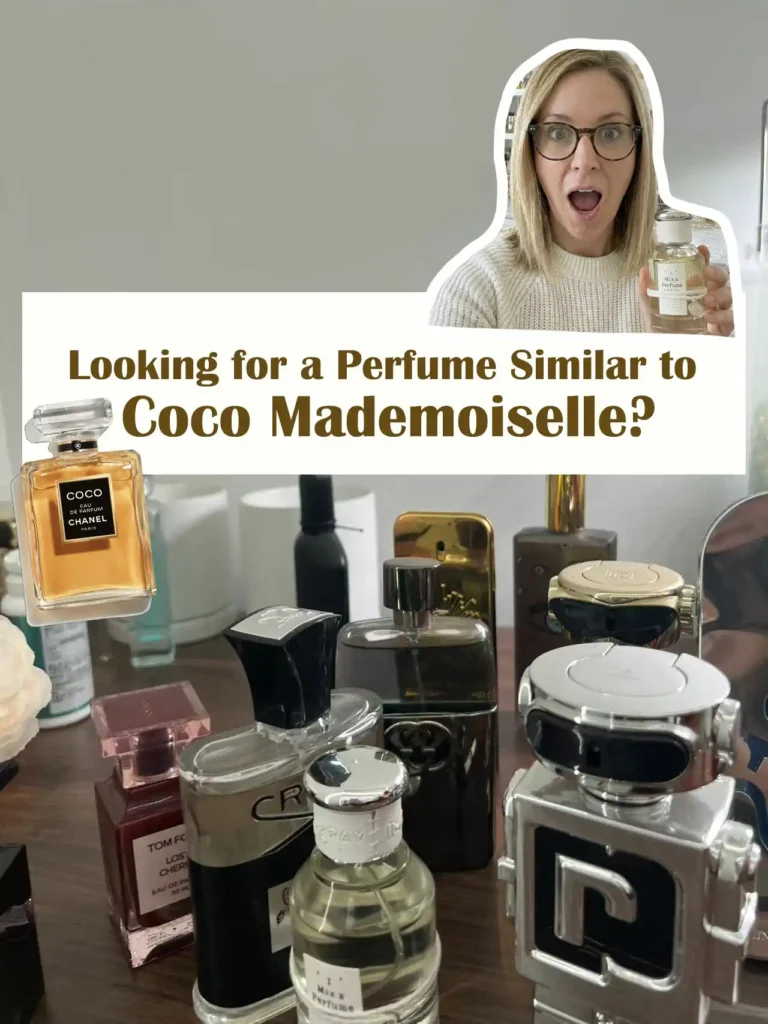
Looking for a Perfume Similar to Coco Mademoiselle? Check Out These Affordable Alternatives
Let us begin with a universal truth in the beauty world: if you are actively looking for perfumes similar to Coco Mademoiselle, you are participating in one of the most relatable quests in the modern fragrance community. Every single day, fragrance enthusiasts are hunting for this specific olfactory DNA. The original perfume, masterfully created by Jacques Polge in 2001, is without a doubt a historic milestone in perfumery. It is the type of scent that acts as an invisible armor; it makes you feel instantly put-together, exuding confidence, elegance, and a sense that you have your life entirely figured out.
However, there is a significant catch that everyday consumers know all too well: entering the world of luxury designer fragrances requires a luxury-level budget. Walking into a premium department store and spending upwards of $165 for a standard 3.4 oz bottle is simply not practical for the average person’s monthly expenses. Because of this financial barrier, you might be scouring the internet right now, trying to calculate exactly how much you can afford before giving up on your online shopping cart.
You do not need a master’s degree in organic chemistry, nor do you need to endure the intimidating attitude of a high-end perfume counter, to understand and acquire a magnificent scent. In this comprehensive guide, we are abandoning the pretentious academic jargon. We will explore the psychology of why this scent is so addictive, analyze gorgeous designer cousins from respected houses, and pull back the curtain on the perfume industry’s economics. Most importantly, we will discuss how modern supply chain logistics have allowed independent brands like IMIXX Perfumes to bypass traditional gatekeepers, creating skin-safe alternatives that respect both your intelligence and your wallet.
The Olfactory Magic: The Rise of the “Modern Chypre”
If you have ever walked past someone, caught a trailing whiff of their wake (which perfumers refer to as sillage), and immediately thought, “Wow, they smell like pure elegance,” there is an incredibly high probability they were wearing this specific scent DNA. But what exactly drives this universal appeal?
To understand its popularity, we must look at fragrance history. Before this specific fragrance launched and disrupted the market in the early 2000s, the “chypre” family of perfumes was vastly different. Named after François Coty’s groundbreaking 1917 perfume *Chypre* (French for Cyprus), the category was traditionally built on a strict accord of citrus top notes, labdanum in the heart, and a heavy base of animalic musk and dense oakmoss. For decades, chypres were considered vintage, heavy, and sometimes overwhelmingly mature.
The innovation of the early 2000s was the creation of the “Modern Chypre.” Master perfumers took that sophisticated, earthy, grounded base, stripped out the heavy, restricted oakmoss, and replaced it with a highly refined, fractionated patchouli. They then injected it with a massive, sparkling, luminous dose of sunshine via vibrant citrus oils. The result was a masterclass in contradictions that seamlessly harmonize. It is incredibly fresh, yet profoundly deep and mysterious. It is sweet and inviting, yet earthy and assertive. It universally projects incredible sophistication.
Deconstructing the Pyramid: The Anatomy of the Scent
In perfumery, fragrance notes are structured exactly like the layers of a complex pastry. Perfume operates on the principle of volatility as the essential oils and aroma chemicals evaporate on your warm skin over time. Let us demystify the “recipe” of this iconic scent profile without making it read like a laboratory manual:
- The Top Notes (The Hook – 0 to 20 Minutes): When you first mist this onto your pulse points, you are greeted with an instant, invigorating burst of bright, mouth-watering citrus. This features sweet Sicilian Orange, zesty Calabrian Bergamot, and a refreshing hint of Grapefruit. This top layer consists of small, highly volatile molecules; it is designed to grab your attention immediately.
- The Heart Notes (The Romance – 20 Minutes to 3 Hours): After the initial citrus explosion begins to soften and meld with your skin chemistry, the floral bouquet emerges. You will detect a lush Turkish Rose and a soft, airy Grasse Jasmine, accented by a touch of tropical Ylang-Ylang. Crucially, modern extractions ensure this does not smell like a dusty antique shop; it smells like a vibrant, living garden.
- The Base Notes (The Anchor – 3 to 10+ Hours): This is the foundation and the primary reason the scent lingers. As the hours pass, the scent warms up through a dose of Patchouli, creamy Bourbon Vanilla, clean White Musk, and a touch of earthy Vetiver.
The Magic of “Fractionated” Patchouli
You might be thinking, “Wait, I hate patchouli! It smells like a 1960s music festival.” That is a completely valid concern. Traditional raw patchouli essential oil contains dozens of different aromatic molecules, some of which smell like damp earth, camphor, or even dark chocolate.
The genius of this specific fragrance profile is the use of fractionated patchouli (often referred to in the industry as Patchouli Coeur or Patchouli Heart). Through advanced molecular distillation, chemists remove the heavy, muddy, and camphorous elements of the oil, leaving behind only the cleanest, most luminous, and refined woody facets. It is patchouli wearing a tailored tuxedo.
The Soap Phenomenon: Why Does It Smell Like Expensive Laundry Detergent?
We need to pause here to address a common comment. Have you ever spritzed this iconic scent and thought, “Why does this smell like luxurious soap?”
The fascinating industry secret: The perfume does not smell like laundry detergent; your laundry detergent is trying to smell like the perfume! When this modern chypre launched, its innovative blend of clean patchouli, sparkling citrus, and sheer white musk was universally beloved and perceived as intensely “clean.” The functional fragrance industry (the chemists who scent household products) heavily mass-copied it. Today, many premium laundry detergents derive their core olfactory structure directly from this fine fragrance profile. It is a massive testament to how deeply this scent has influenced our modern concept of what “clean” smells like.
Decoding the Labels: Parfum vs. EDP vs. EDT
If you have ever stood in a fragrance aisle completely overwhelmed by the identical-looking bottles, you have likely been confused by the acronyms. What is the difference between an Eau de Parfum (EDP) and an Eau de Toilette (EDT)? While perfume oil concentration is a major factor, master perfumers actually tweak the formula slightly for each version.
- Parfum (Extrait): The highest concentration of oils (often 20-30%). It sits very close to the skin, projecting less but lasting the longest. It is incredibly rich and focuses heavily on the dense base notes.
- The EDP (Eau de Parfum): Generally containing 15-20% oil, this is the commanding powerhouse. It is formulated to be richer, significantly warmer, and leaves a memorable trail in the room after you depart.
- The EDT (Eau de Toilette): Usually sitting at 8-15% oil, think of this as the lighter, flirtier iteration. Perfumers intentionally turn up the volume on the sparkling citrus top notes and dial back the heavy patchouli. If you want something breezy and uplifting for a warm day, the EDT is fantastic. It projects brilliantly for the first hour but does not sit quite as heavy on the skin.
The Economics of Perfume: Beyond the Glass Bottle
Let us address the economics of the beauty industry, because retail pricing is the primary driving factor behind your search for alternatives. Financial analyses of the global cosmetics industry consistently reveal that the liquid inside a designer perfume bottle often represents only a fraction of the total retail price.
The vast majority of what consumers pay for covers:
- Marketing & Endorsements: Multi-million dollar television campaigns featuring A-list actors and models.
- Packaging: Intricate, heavy custom glass bottle manufacturing and luxurious textured boxes.
- Retail Markup: Premium department stores often require massive margins (sometimes up to 50-60% of the retail price) just to stock the item on their shelves.
- Brand Prestige: You are inherently paying a premium for the heritage and logo of a historic fashion house.
When you factor in standard state sales taxes, you are quickly approaching a $180+ investment for a standard 3.4 oz bottle. If you are an individual who applies fragrance generously daily, that bottle will deplete rapidly. This stark economic reality has cultivated a legitimate demand for high-quality alternatives that do not compromise on dermatological safety or olfactory beauty.
The Sourcing Solution: How Independent Brands Compete
This brings us to the core of the alternative market. How can a genuinely affordable alternative perform well? It comes down to modern supply chain logistics. At IMIXX Perfumes, our foundational background is in global raw material sourcing.
Rather than operating enormous marketing budgets or maintaining physical retail boutiques, independent brands can leverage global sourcing networks to acquire ingredients from the exact same regions as luxury houses. By procuring vibrant citrus oils from Italy, floral absolutes from Grasse, France, and premium fractionated patchouli from sustainable suppliers in Indonesia, brands can invest their capital directly into the “juice” rather than marketing overhead. This direct-to-consumer model allows for a luxury-grade olfactory experience at a fraction of the traditional cost.
When evaluating inspired fragrances, it is important to understand that no two perfumes are mathematically identical due to natural crop variations and proprietary captive molecules. However, the goal of a high-quality alternative is to capture the “soul” and precise architectural balance of the original.
In internal, non-clinical consumer perception panels conducted by our product development team, blinded participants are asked to evaluate our IMIXX No. 14 against the luxury benchmark. The focus is placed on three criteria:
- Opening Smoothness: Does the fragrance open with bright citrus, or does it suffer from the harsh, astringent “alcohol blast” common in lower-tier products?
- Heart Note Clarity: Can the user detect distinct, realistic floral notes (rose and jasmine) without it turning muddy or overly powdery?
- Base Note Stability: Does the fractionated patchouli dry down clean and sophisticated over a period of 4 to 8 hours?
Consistent qualitative feedback highlights the importance of an alcohol-smooth opening and a stable, long-lasting patchouli trail, which are the hallmarks of a well-crafted alternative.
Exploring the Wider World of Perfumery: The High-End Cousins
If you genuinely appreciate the general “vibe” of the patchouli-citrus-rose combination but wish to explore different artistic interpretations from other renowned designer houses, you have excellent options. The modern floral chypre is incredibly popular, and many luxury brands have offered their unique spin on this DNA.
- Dior Miss Dior (Eau de Parfum): This iconic scent has been reformulated multiple times, but it consistently maintains a highly romantic floral heart. It is generally perceived as sweeter, more vanilla-forward, and more “pink” smelling, with noticeably less earthy patchouli than its famous counterpart.
- Yves Saint Laurent Mon Paris: Imagine taking the foundational earthy patchouli base and tossing a massive, overflowing handful of sweet, juicy red berries and strawberries over it. This interpretation is significantly sweeter and highly intoxicating, perfect for evening wear.
- Giorgio Armani Sì: This fragrance is incredibly elegant and polished. Instead of bright, zesty orange, it utilizes cassis (blackcurrant nectar) for a richer, more syrupy and wine-like opening, eventually settling down into a beautiful musky rose and soft blonde woods.
- Jo Malone English Pear & Freesia: While a lighter cologne rather than a dense EDP, this beloved scent utilizes a stunning, clean patchouli base beneath bright, juicy pear and crisp white florals. It is sheer and perfect for those who find traditional chypres too heavy.
While these are undeniably stunning perfumes, they are artistic “cousins” to the specific scent DNA you might be searching for. They alter the balance significantly, leaning either sweeter, fruitier, or lighter. If your goal is a highly comparable structural balance of citrus sparkle and clean earthiness without the designer price tag, dedicated alternatives like IMIXX No. 14 remain the most direct route.
Real-Talk on Performance: The Truth About Reformulations
Does the original last all day? Why do older bottles smell different?
This is a massively debated topic in online fragrance forums. Historically, many classic perfumes from the 1990s and early 2000s were known for being “beast mode” powerhouses that would linger on a wool coat for weeks. However, if you recently purchased a brand new designer bottle and feel it fades faster than it did a decade ago, you are likely not imagining things.
The global fragrance industry is strictly governed by consumer safety standards, primarily overseen by the International Fragrance Association (IFRA). Based on ongoing dermatological research regarding skin sensitization and allergens, IFRA frequently updates its regulations. Over the last decade, strict limits have been placed on certain naturally occurring allergens found in citrus oils, specific floral compounds (like Lilial), and raw oakmoss.
Because of these strict legal compliance requirements, almost all classic perfumes must undergo periodic “reformulations” by their parent companies to remain legally viable on the market. Chemists must substitute restricted ingredients with modern, safe alternatives. While the scent profile is kept as close as humanly possible, these structural changes can sometimes subtly impact the overall longevity or the “density” of the fragrance.
Scientific Tips: How to Make Any Perfume Last Longer
Whether you are wearing a $200 designer original or a high-quality alternative, fragrance performance relies heavily on physics and skin chemistry. Here are scientifically sound application tips to maximize longevity:
- Moisturize the Skin Barrier: Perfume oils evaporate incredibly quickly on dry skin. Apply an unscented ceramide body cream or a rich body oil immediately after your shower. Spray your perfume directly on top of the moisturized area. The fragrance oils will physically bind to the lipid barrier of the lotion, drastically slowing down evaporation.
- Target Strategic Pulse Points: Spray on your wrists, inner elbows, the nape of your neck, and behind your ears. These areas have blood vessels close to the skin, radiating body heat that acts like a natural diffuser, pushing the scent outward. Note: Do not rub your wrists together! The friction generates excess heat which can rapidly burn off the delicate top notes.
- The Fabric Technique: Human skin naturally breaks down oils. Fabric does not. A light mist on your clothing—such as a scarf or the inside lining of a jacket—will make the scent last significantly longer. (Always test on a hidden hem first to ensure the oils do not stain delicate fabrics like silk).
- Proper Storage: Heat, humidity, and direct sunlight are the enemies of complex fragrance molecules. Never store your perfumes in a steamy bathroom or on a sunny windowsill. Keep them in a cool, dark place, ideally inside their original boxes or a dedicated drawer, to prevent the oils from degrading over time.
Understanding the Market: Legality and Counterfeits
When searching for affordable fragrance options online, it is vital to understand the difference between a legal, safe alternative (a “dupe”) and a dangerous counterfeit.
Is it Legal to Create and Buy Alternative Perfumes?
Yes. Under US intellectual property law, while brand names, custom-molded glass bottle designs, proprietary packaging, and specific logos are strictly trademarked and protected, the actual smell of a fragrance cannot be copyrighted or patented. Scent is considered a mixture of naturally occurring and synthetic chemical compounds.
Brands like IMIXX utilize expert perfumery and analytical chemistry (like Gas Chromatography-Mass Spectrometry, or GC-MS) to understand the molecular structure of a popular scent profile. They then source their own raw materials to recreate a similar olfactory experience. As long as the alternative brand uses its own distinct branding, bottles, and names, it is a completely legitimate and legal cosmetic product.
The Danger of Counterfeits
If you stumble upon an unverified website or a flea market stall offering a full-size designer bottle in what looks exactly like the original branded box for $45, walk away. This is a counterfeit.
Counterfeit perfumes are illegal and entirely unregulated. Because they bypass all IFRA safety standards and FDA oversight, they can contain dangerous, untested chemicals, cheap synthetic dyes, and industrial stabilizers (like antifreeze) that can cause severe dermatological reactions, chemical burns, or respiratory issues. It is always infinitely safer to purchase a transparent, clearly branded alternative from a legitimate independent company than to risk your health on a fake designer bottle.
Your Top Fragrance Questions Answered: The Ultimate FAQ perfumes similar to coco mademoiselle
1. What age group is this scent profile best suited for?
One of the most remarkable aspects of the modern chypre is that it genuinely possesses no age limit. Because the formulation is so masterfully balanced, it adapts entirely to the wearer and their personal chemistry. On a young professional, the citrus notes pop, smelling energetic and ambitious. On a mature wearer, the rich patchouli and rose are highlighted, projecting refined elegance. It is entirely about the confidence with which you wear it.
2. Will an affordable alternative smell synthetic or give me a headache?
This depends entirely on the brand you choose. Cheap body sprays often utilize low-grade, poorly filtered synthetic alcohol and harsh fragrance oils, resulting in a sharp, chemical smell. High-quality alternatives prioritize premium raw materials and strict adherence to IFRA safety standards, resulting in a smooth, complex scent that develops beautifully on the skin without the harsh astringency.
3. Does skin chemistry actually change how a perfume smells?
Absolutely. Your skin’s natural pH level, your diet, your baseline body temperature, and your natural lipid production all interact dynamically with complex perfume molecules. Patchouli, in particular, is notoriously reactive. On some individuals, it turns sweet and warm; on others, it can turn sharp or herbal. This is why testing a fragrance on your own skin for a few hours is always recommended.
4. Can I find other luxury scent alternatives besides this specific one at IMIXX?
Yes. Our expert development team has curated a comprehensive collection of high-quality alternatives inspired by a wide variety of beloved olfactory profiles. Whether you prefer bold and spicy, minimalist and woody, or opulent floral compositions, exploring alternative fragrance houses allows you to build a diverse scent wardrobe economically.
5. What if I want the original designer box for a very special gift?
If you are purchasing a milestone gift (like a wedding anniversary or graduation) and you know the recipient specifically desires the prestige of unboxing the designer brand to display on their vanity, you should absolutely purchase the original from an authorized retailer like Sephora, Macy’s, or a standalone boutique. However, if the gift is for someone who simply adores the smell for daily wear and appreciates smart financial choices, a high-quality alternative is a thoughtful, practical present they can use generously without fear of “wasting” it.
Conclusion: Smell Expensive, Spend Smartly
Your signature scent is so much more than just a cosmetic product in a glass bottle. It is an invisible, highly potent accessory. It is a psychological mood booster that can change your posture and outlook on the day. It is how people subconsciously remember you long after you have left the room. You deserve to experience that luxurious, confident feeling every single day, without it causing financial stress.
The global fragrance industry is evolving rapidly, and consumers are becoming vastly more educated. We are collectively realizing that while heritage designer brands offer undeniable prestige and artistry, the brilliant combination of premium raw materials, ethical global sourcing, and highly skilled independent perfumery means that true olfactory luxury is finally accessible to everyone.
It is time to upgrade your fragrance wardrobe intelligently. We enthusiastically invite you to explore our full collection and experience the uncompromising quality of modern alternative perfumery for yourself. Head over to browse the collections at IMIXX Perfumes and discover your new favorite everyday luxury.
Thank you for joining me, Linus, on this deep, analytical dive into the magnificent world of scent. If you are ready to smell absolutely incredible, your journey ends here.
