

Blog, Designer Dupe Reviews, Scent Profiles & Ingredients
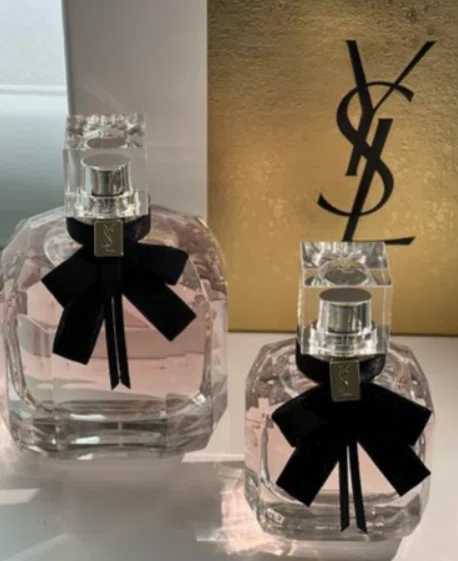
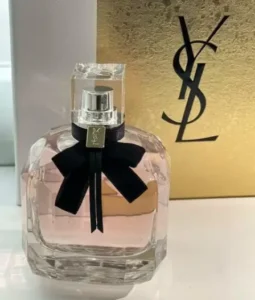
How to Smell Like YSL Mon Paris Intensement All Day: An Insider’s Guide to Dupes, Perfume Chemistry, and Supply Chain Secrets
Jun
By Linus Dacke Thall | Supply Chain & Fragrance Formulation Director
Executive Summary
Finding a reliable YSL Mon Paris Intensement dupe in the US market can feel like navigating a minefield of cheap alcohol blasts and fleeting scents. In this comprehensive, 3,000+ word guide, we step away from traditional perfume marketing to look at fragrance through the lens of chemistry and supply chain economics. We will deconstruct the molecular architecture of this iconic fruity chypre, explain exactly why designer perfumes retail for over $150, and objectively review the top alternatives on the market (including Dossier, Target’s Fine’ry, Zara, and Imixx). Finally, we provide scientifically-backed fragrance layering hacks to ensure your scent lasts from your morning commute to your evening dinner.
Transparency Disclaimer: This article is authored by an industry professional affiliated with Imixx. However, to provide the most value to you as a consumer, we have included objective, unbiased reviews of multiple brands and competitors in the marketplace. We believe that an educated consumer is the best consumer. Our goal is to help you find the scent that best fits your budget, body chemistry, and lifestyle.
Introduction: The Allure of the Parisian Fruity Chypre
There is a profound reason why certain fragrances capture the cultural zeitgeist. When Yves Saint Laurent released the original Mon Paris, and subsequently the deeper, more resonant Intensement flanker, the brand set a new global benchmark for the modern “Fruity Chypre” (pronounced sheep-ra). The marketing campaigns evoke a romantic, dizzying, and slightly dangerous stroll through the streets of Paris at dusk. But as a supply chain professional who has spent years on factory floors, I can assure you that beneath this poetic narrative lies a fascinating, highly calculated architectural structure of aroma chemicals and natural absolutes.
For fragrance lovers across the USA, the pursuit of the perfect YSL Mon Paris Intensement dupe is relentless. Retailing at approximately $130 to $160 for a standard 3oz (90ml) bottle at major retailers like Sephora or Macy’s, it is undeniably a luxury investment. But what exactly are you paying for when you swipe your credit card? Is the liquid inside truly worth that price tag, or are you funding a global advertising apparatus?
To answer these questions, we must bridge the gap between consumer experience and industrial reality. We are going to put on our lab coats, analyze the chemical composition of this beloved fragrance, explore the harsh economic realities of the beauty supply chain, and finally, look at the market’s best alternatives without the smoke and mirrors.
Chapter 1: Deconstructing the Scent—A Chemical Perspective
To truly understand how to replicate a fragrance or evaluate affordable chypre floral perfumes, we must first analyze its composition. A perfume is not a magical potion concocted in a witch’s cauldron; it is a meticulously balanced chemical equation. The beauty of Mon Paris Intensement lies in its tension: the battle between hyper-sweet, jammy fruits and deep, dark, earthy woods.
The Tart, Jammy Opening (Top Notes)
When you first spray Intensement, you are hit with an explosion of Raspberry, Black Currant, and Pear. In the laboratory, this mouth-watering fruity accord is rarely extracted from actual fruits (which yield very little essential oil). Instead, it is achieved using a sophisticated combination of natural fruit esters and synthetics.
For example, the raspberry note is heavily reliant on a synthetic compound called Frambinone (also known as Raspberry Ketone), combined with traces of beta-ionone for a jammy, almost syrupy texture. The secret to the Intensement version—and what makes it so hard for cheap dupes to replicate—is that it leans much heavier into the dark, tart black currant compared to the original Mon Paris. This requires a precise balance of sulfurous compounds (which in tiny trace amounts give black currant its realistic “bite”) to prevent the scent from degrading into a cheap, synthetic body spray aroma.
The Narcotic Floral Heart (Middle Notes)
The defining, somewhat controversial characteristic of the entire Mon Paris line is the Datura flower. Also known as Jimsonweed, natural Datura is highly toxic and hallucinogenic; its scent cannot be legally or safely extracted for commercial perfumery. Therefore, perfumers must create a “fantasy note.”
Chemists construct this narcotic floralcy using an intricate blend of indolic white florals—primarily Jasmine Sambac and Tuberose—mixed with creamy, almond-like nuances. In the Intensement version, this fantasy Datura is deeply intertwined with a massive dose of Bulgarian Rose (Rosa Damascena). The Bulgarian rose absolute adds a velvety, dense, and slightly spicy character that the original Eau de Parfum lacks. When evaluating a dupe, if the rose feels thin or powdery rather than thick and jammy, the chemical balance is off.
The Grounding Foundation (Base Notes)
This is where a true chypre earns its pedigree. Historically, chypres (named after the island of Cyprus) relied heavily on oakmoss. However, modern regulations set by the International Fragrance Association (IFRA) have heavily restricted oakmoss usage due to its potential as a skin allergen.
Thus, modern “neo-chypres” like Mon Paris Intensement use high-grade, fractionated Patchouli. Fractionated patchouli (sometimes called Patchouli Heart) goes through an extra molecular distillation process to remove the “dirty,” camphor-like, or overly earthy aspects of the plant. What remains is a clean, woody, almost chocolatey backbone. This patchouli is paired with clean White Musks (such as Galaxolide or Habanolide) and Cashmeran. The base notes act as the anchor; they cut through the intense sweetness of the berries, ensuring the fragrance remains sophisticated and adult, rather than cloying.
Chapter 2: The Supply Chain Economics of Luxury Perfume
As someone who audits fragrance supply chains, the most common question I receive from friends and clients is: “Why does my designer perfume cost $160 when I read that the ingredients only cost a few dollars?”
According to industry analyses featured in publications like The Business of Fashion and reports by global consulting firms, the fragrance industry is characterized by some of the highest markups in the luxury goods sector. When you purchase a bottle from a legacy fashion house at a US department store, you are primarily funding a massive, inefficient distribution network and a global marketing machine.
Let’s break down the traditional fragrance production line to understand the true cost of your scent:
- The Juice (The Fragrance Oil and Solvent): While luxury brands certainly use high-quality raw materials (such as absolute of rose from Grasse or sustainable patchouli from Indonesia), the actual cost of the compounded liquid inside a 100ml bottle rarely exceeds $3 to $8. This includes both the perfume concentrate and the high-proof denatured alcohol used as a carrier.
- The Packaging and Hardware: Heavy, bespoke glass bottles manufactured by prestigious European glassmakers (like Pochet or Luigi Bormioli), custom atomizer pumps that deliver a perfect micro-mist, magnetic caps, and elaborate velvet-lined cardboard boxes often cost significantly more than the liquid itself. Packaging can range from $5 to $15 per unit.
- Marketing, Celebrity Licensing, and Corporate Overhead: This is the massive invisible cost. Fashion houses (YSL, Dior, Chanel, Gucci) often license their names to massive cosmetic conglomerates (like L’Oréal, Coty, or Estée Lauder). These parent companies spend hundreds of millions annually on celebrity ambassadors, prime-time television commercials, billboards in Times Square, and glossy magazine spreads. This marketing budget alone can account for 20% to 30% of the retail price you pay.
- The Retailer Margin (The Biggest Slice): When a perfume is sold at a brick-and-mortar retailer (think Sephora, Ulta, or Nordstrom), that retailer takes a 40% to 60% margin. They require this massive cut to cover their immense overhead: prime real estate rent, sales staff, in-store displays, and inventory holding costs.
Table 1: Cost Structure Breakdown (Estimated Averages)
The table below provides a simplified, estimated breakdown of where your money goes when buying a traditional $150 designer fragrance versus a $40 direct-to-consumer (DTC) alternative. (Note: These are industry averages based on standard supply chain models, not specific proprietary data of any single brand.)
| Cost Category | Traditional Designer Brand ($150 Retail) | Direct-to-Consumer Brand ($40 Retail) |
|---|---|---|
| Fragrance Oil & Alcohol (The Juice) | $4.00 – $8.00 (Often ~3-5% of retail) | $5.00 – $8.00 (Often ~15-20% of retail) |
| Bottle, Cap & Packaging | $8.00 – $15.00 | $4.00 – $6.00 (Standardized, minimalist) |
| Marketing, Celeb & Brand Licensing | $30.00 – $45.00 | $2.00 – $5.00 (Organic SEO, social media) |
| Retailer / Middleman Margins | $60.00 – $75.00 (Sephora, Macy’s, etc.) | $0.00 (Sold exclusively online DTC) |
| Manufacturer / Brand Profit | $15.00 – $25.00 | $10.00 – $15.00 (Sustainable volume margin) |
Takeaway: You do not have to sacrifice the quality of the “juice” when you buy a more affordable fragrance. You are simply choosing not to pay the “retail and marketing tax.”
Chapter 3: The Science of Scent Replication
If the formula is ultimately just a matter of chemistry, why do so many cheap knock-offs found at the pharmacy smell like harsh chemicals or cleaning products? The answer lies in two critical areas of fragrance manufacturing: Analytical Chemistry limitations and the vital process of Maceration.
The GC-MS Machine: A Map, Not a Destination
Modern perfumery relies heavily on an analytical tool known as Gas Chromatography-Mass Spectrometry (GC-MS). According to resources from the American Chemical Society, a GC-MS machine allows chemists to take a sample of a target fragrance, vaporize it, and separate it into its individual molecular components. The machine prints out a highly detailed graph showing exactly which aroma chemicals are present and in what percentages.
However, many fast-fashion clone brands believe that a GC-MS readout is all they need. This is a critical error. A GC-MS machine is like having a list of ingredients for a Michelin-star cake, but having no instructions on how to bake it. The machine cannot easily identify the specific geographic origin of natural oils (e.g., whether a rose absolute is from Bulgaria, Turkey, or Morocco, each having vastly different scent profiles). Furthermore, it struggles to identify “captive molecules”—patented, proprietary synthetic ingredients exclusive to major flavor and fragrance houses like Givaudan, Firmenich, or IFF.
A skilled perfumer must take the GC-MS data and use their human nose and empirical expertise to bridge the gaps. They must select high-quality alternative raw materials to recreate the exact olfactory illusion. Cheap dupes fail because they rely purely on the computer’s generic readout without human artistry, resulting in a flat, linear, and “soulless” scent.
Maceration: Why Cheap Perfume Smells Like Rubbing Alcohol
Have you ever bought an inexpensive perfume, eagerly sprayed it, and immediately coughed from a sharp, burning blast of alcohol? This is a classic symptom of an industrial shortcut: skipped maceration.
In high-end fragrance manufacturing, once the fragrance concentrate (the essential oils and aroma chemicals) is mixed with the solvent (usually denatured ethanol) and a tiny amount of distilled water, the mixture is not immediately bottled. It must undergo Maceration. This is an aging and resting process, remarkably similar to aging fine wine in oak barrels or steeping a complex tea.
The vats are left in temperature-controlled, dark cellars for anywhere from 4 to 12 weeks. During this resting period, complex chemical reactions naturally occur. Esters bond, harsh edges soften, the alcohol scent dissipates as it integrates seamlessly with the oils, and the overall scent profile becomes rounder, smoother, and deeply harmonious.
Mass-market clone brands, prioritizing speed and profit, simply cannot afford to let inventory sit in a warehouse for two months. They mix the oil and alcohol on Monday, bottle it on Tuesday, and ship it to stores on Wednesday. This lack of maceration is the number one reason budget perfumes smell “cheap.”
Chapter 4: The Ultimate Dupe Showdown (An Objective Review)
To provide a truly useful guide for consumers, we must look at the market objectively. There are several popular brands attempting to capture the YSL Mon Paris Intensement DNA. How do they stack up in terms of scent accuracy, longevity, and value? Let’s analyze four of the most talked-about options in the USA.
1. Dossier – Fruity Brown Sugar
Dossier has taken the US market by storm with its transparent numbering system and sleek, minimalist branding. Their take on the Mon Paris DNA is called Fruity Brown Sugar.
The Pros
- Accessibility: Very easy to purchase online and often available in Walmart stores.
- The Opening: They do an excellent job capturing the sweet, syrupy pear and raspberry opening. It is highly crowd-pleasing.
- Return Policy: Excellent customer service and return policies.
The Cons
- Lacks Depth: It mimics the original Mon Paris better than the Intensement version. It lacks the heavy, jammy Bulgarian rose and the deep, earthy patchouli base that gives the Intense version its sexy, nighttime edge.
- Longevity: Tends to fade to a faint skin scent within 4-5 hours.
2. Target’s Fine’ry – Madame (or similar seasonal releases)
Target’s Fine’ry line has been praised for bringing complex fragrance profiles to the drugstore aisle at incredibly low prices.
The Pros
- Price: Unbeatable. Usually under $30 for a full bottle.
- Convenience: You can smell it in person while doing your weekly grocery shopping.
The Cons
- Synthetic Harshness: This is where skipped maceration shows. The opening blast is heavily alcoholic and the fruit notes lean towards a synthetic “shampoo” vibe rather than real, juicy berries.
- Performance: It acts more like a body mist (Eau de Toilette concentration at best), requiring constant reapplication throughout the day.
3. Zara Fragrances (Various Seasonal Releases)
Zara, in collaboration with perfumers like Jo Malone, frequently releases excellent fragrances. However, their specific dupes for YSL tend to rotate quickly under different names.
The Pros
- Great Bottles: Zara invests heavily in beautiful, heavy glass bottles that look great on a vanity.
- Modern Blends: The scents are usually very modern, youthful, and well-blended for the price.
The Cons
- Inconsistency: A fragrance you love might be discontinued in three months.
- The Base Notes: Zara perfumes are notorious in the fragrance community for having incredible top notes that vanish quickly, leaving a very generic, faint vanilla/musk base after just 2 hours.
4. Imixx – No. 47 (Inspired by YSL Mon Paris Intensement)
As a brand with deep roots in factory-direct supply chains, Imixx No. 47 was specifically formulated to address the shortcomings of the mass-market clones, specifically focusing on the Intensement flanker rather than the original.
The Pros
- Extrait de Parfum Concentration: Unlike Dossier (EDP) or Target (EDT), Imixx No. 47 uses a much higher percentage of fragrance oils. This pushes the longevity to 8-10+ hours.
- Proper Maceration: Imixx mandates a minimum 4-6 week factory maceration period, entirely eliminating the cheap alcohol opening blast.
- Accurate Base Notes: Uses fractionated patchouli to perfectly capture the deep, woody, “chypre” dry-down of the Intensement version.
The Cons
- Online Only: You cannot test it in a physical store prior to purchase.
- Shipping Times: Because of the rigorous maceration and direct-to-consumer fulfillment models, shipping might take a few days longer than Amazon Prime.
Table 2: At-a-Glance Dupe Comparison
| Brand / Product | Target DNA | Concentration | Estimated Longevity | Best For… |
|---|---|---|---|---|
| Dossier Fruity Brown Sugar | Mon Paris (Original) | Eau de Parfum | 4 – 5 Hours | Daytime wear, light office scent. |
| Target Fine’ry | General Fruity Floral | Eau de Toilette | 2 – 3 Hours | Budget shoppers, gym bags. |
| Zara (Various) | Varies by season | EDT / EDP | 3 – 4 Hours | Trend followers, aesthetic bottles. |
| Imixx No. 47 | Mon Paris Intensement | Extrait de Parfum | 8 – 10+ Hours | Night out, signature scent, longevity seekers. |
Chapter 5: How to Make Perfume Last Longer (Professional Layering Guide)
Even if you purchase an Extrait de Parfum or the original $160 YSL bottle, your unique skin chemistry plays a massive role in fragrance performance. For those frequently searching Google for “how to make perfume last longer,” the secret lies in molecular adhesion. Fragrance molecules evaporate rapidly on dry, dehydrated skin. By altering your skin’s lipid barrier, you can dramatically extend the lifespan of any affordable chypre floral perfume.
The “Scent Bubble” Routine
Follow this exact routine developed by fragrance professionals to ensure your scent projects all day long:
- The Shower Prep: Hydration starts in the shower. Use a gentle, mildly scented body wash (a soft rose or berry scent works beautifully to complement the Mon Paris DNA). Avoid harshly scented soaps that will clash with your perfume.
- The Lipid Base (Crucial Step): The moment you towel off, while your pores are still open and skin is slightly damp, apply a generous amount of an unscented, ceramide-rich body lotion (like CeraVe or Cetaphil). Alternatively, use a neutral carrier oil like Jojoba or Sweet Almond oil. Perfume oils need a fat/lipid to cling to. This lotion acts as a primer, trapping the larger base-note molecules (the vanilla, musk, and patchouli) against your skin, slowing down their evaporation rate.
- Strategic Pulse Point Application: Do not just spray your wrists and violently rub them together. The friction creates heat, which forcefully crushes and burns off the delicate top notes (the raspberry and pear) within minutes. Instead, spray and let it air dry completely. Target the jugular pulse points on your neck, the inner elbows, and crucially, the backs of your knees. Heat naturally rises; spraying the lower half of your body ensures the scent wafts upward continuously throughout the day.
- Hair and Fabric Trapping: Human skin temperature fluctuates wildly with stress, weather, and activity, which can rapidly burn through fragrance. Hair and textiles, however, are porous and maintain a cooler, consistent temperature, acting as incredible fragrance traps. Spray your perfume lightly onto your hairbrush and comb it through the ends of your hair. Additionally, mist the inner lining of your jacket or scarf. The patchouli and musk base notes of a quality dupe will linger on fabrics for days, ensuring your signature scent follows you through every room. (Always patch-test fabrics first to ensure the perfume oil does not stain!)
Chapter 6: When and Where to Wear the Mon Paris Intensement DNA
Understanding fragrance etiquette is just as important as the perfume itself. The Fruity Chypre category is famously versatile, but the Intensement variation brings specific moods to mind.
- Seasons: Because of the heavy patchouli and jammy rose, this DNA truly shines in the cooler months—Fall and Winter. The crisp air prevents the sweet berries from becoming overly cloying, while the woody base provides a feeling of warmth. It can be worn in Spring, but should be sprayed sparingly in the high heat of Summer.
- Occasions: This is the ultimate “Date Night” fragrance. It is seductive, slightly mysterious, and commands attention. It is perfect for evening events, cocktail parties, or a romantic dinner. If wearing it to a conservative office environment, adhere to the “one spray under the shirt” rule to keep the projection polite.
Frequently Asked Questions (FAQ): Decoding the Mon Paris Universe
Based on thousands of search queries across the USA, here are the most pressing questions consumers have regarding this iconic scent profile.
1. What is the exact difference between YSL Mon Paris and Intensement?
While both share the core DNA of strawberry, raspberry, and the fantasy datura flower, the Intensement version is significantly deeper, richer, and less “airy.” It dials up the jammy Bulgarian Rose (making it far more floral) and adds a heavier dose of Cashmeran and Vanilla in the base. The original is a sparkling daytime scent; Intensement is a seductive nighttime scent.
2. Is YSL Mon Paris Intensement discontinued?
Fragrance availability often fluctuates due to global supply chain disruptions or strategic brand decisions. While rumors of discontinuation frequently circle on forums like Basenotes and Reddit regarding various YSL flankers, it can still be found. However, its sporadic availability is exactly why finding a consistent, factory-direct dupe like Imixx No. 47 ensures you never have to panic if it disappears from department store shelves.
3. Do cheap dupes contain harmful chemicals?
This is a vital question. Reputable fragrance manufacturers, whether they make $300 niche scents or $40 dupes, must adhere to the strict guidelines set by the International Fragrance Association (IFRA). These global standards regulate the concentration of both natural allergens and synthetic molecules. Brands like Imixx strictly follow IFRA compliance. However, extremely cheap, unregulated knock-offs found on untrusted marketplaces may skip these safety checks. Always buy from transparent brands.
4. Why does my perfume smell different after a few months?
If you purchase a high-quality dupe and it seems to smell better, richer, or slightly different after sitting on your dresser for three months, you are experiencing ongoing maceration. As oxygen interacts with the liquid, the vanilla notes often darken the liquid’s color, and the ingredients continue to blend. This is normal and usually improves the scent! (To protect your perfume, always store it away from direct sunlight and humidity—not in the bathroom).
5. Is Target’s Finery Madame a good dupe for YSL Mon Paris?
It is a passable, budget-friendly alternative if you enjoy the general fruity-floral vibe. However, as noted in our review section, it lacks the deep patchouli chypre base that defines the true Mon Paris experience, and its longevity is quite poor compared to Extrait formulations.
6. Can I layer this scent with other perfumes?
Absolutely! The beauty of a fruity chypre is its versatility. If you want to make it sweeter, layer it with a pure vanilla perfume oil. If you want to make it more “unisex” or woody, layer it over a sandalwood or cedar-based lotion. Experimentation is the joy of fragrance!
Conclusion: Redefining Luxury for the Modern Consumer
You no longer have to spend $160 to smell like a sophisticated, confident Parisian strolling along the Seine at twilight. The modern fragrance industry is undergoing a massive revolution driven by transparency and supply chain optimization. By understanding the chemistry behind a fruity chypre, acknowledging the vastly inflated costs of traditional designer brands (from YSL to Chanel to Tom Ford), and recognizing the critical importance of laboratory maceration, you become an empowered, educated consumer.
Whether you choose to invest in the designer original, pick up a quick fix from Target or Dossier, or explore a high-concentration, factory-direct solution like Imixx, the choice should be yours, based on facts, not marketing illusions. We encourage you to test, to layer, and to find the scent that perfectly matches your unique skin chemistry.
Ready to Experience the Ultimate Fruity Chypre?
If you are tired of weak performance and retail markups, experience premium, properly macerated fragrance oils crafted with scientific precision.
Explore our full philosophy of supply chain transparency and factory-direct luxury scents at Imixx.net.
