

Blog, Designer Dupe Reviews
How to Smell Like Versace Bright Crystal All Day (A US Supply Chain Expert’s Guide & The Best Dupe)
Jun
About the Author: Linus Dacke Thall
Executive Summary
If you have been browsing through endless bright crystal versace reviews, you already know the universal truth about this iconic pink bottle: it is an absolutely gorgeous, uplifting floral-fruity perfume that, unfortunately, tends to fade entirely too quickly on the skin. In this comprehensive, 3,000+ word deep-dive guide tailored specifically for the diverse climates of the USA market, we are pulling back the curtain on the fragrance industry.
We will explore the exact molecular notes that make this scent so famous, explain the scientific reasons why fresh perfumes vanish rapidly in states with dry heat or harsh winters, and reveal the hidden cost structures of luxury supply chains. Most importantly, we will provide you with actionable, step-by-step layering techniques to make any perfume last all day. Finally, because we believe an educated consumer is an empowered consumer, we will objectively compare the best alternatives and dupes on the market—from mall staples like Zara to specialized direct-to-consumer options like Dossier and Imixx No.08—evaluating them fairly on price, longevity, and accuracy.
The Olfactory Science: What Does Versace Bright Crystal Actually Smell Like?
Before we can discuss how to make a fragrance last longer or how to find a more affordable alternative, we must intimately understand the architecture of the scent itself. Launched in 2006 and crafted by the legendary master perfumer Alberto Morillas, Bright Crystal has remained one of the best-selling fragrances in the United States for nearly two decades. But what is it about this specific formulation that captures so many hearts?
In the fragrance industry, we do not just mix pleasant smells; we construct a “pyramid” consisting of top, heart (middle), and base notes based on molecular weight and evaporation rates. When everyday consumers ask, “What does Versace Bright Crystal smell like?“, they are asking for a translation of this chemical pyramid into human experiences.
1. The Sparkling Opening (The Top Notes)
The very first thing you experience when you spray Bright Crystal is a luminous, almost startlingly fresh burst of Yuzu and Pomegranate, chilled by what the industry calls an “ice accord.”
- Yuzu: This is a Japanese citrus fruit that smells like a complex hybrid of a tart grapefruit and a sweet mandarin. In perfumery, creating a realistic Yuzu note is incredibly difficult because natural citrus oils degrade rapidly. It provides a sharp, slightly bitter, and incredibly vibrant punch.
- Pomegranate: To balance the sharpness of the Yuzu, Morillas used a pomegranate note. This adds a mouth-watering, juicy, red-berry sweetness that prevents the citrus from becoming too acidic or cleaning-product-like.
- The Ice Accord: This is a triumph of synthetic chemistry. Using specific aroma molecules, perfumers can create a physical cooling sensation in the olfactory receptors. It feels like stepping out of a hot summer day in Florida into a crisp, air-conditioned room.
2. The Gentle Floral Heart (The Middle Notes)
After about 15 to 30 minutes, the highly volatile citrus oils evaporate, and the floral heart takes over. The stars here are Peony, Magnolia, and Lotus.
- Peony (The Fantasy Note): It is a little-known fact outside the industry that there is no natural essential oil of Peony. It is a “fantasy note.” Perfumers must recreate its scent in a lab using a blend of rose molecules (like Citronellol) mixed with dewy green notes. It smells like a fresh, young rose without the heavy, powdery qualities of vintage perfumes.
- Lotus: The addition of lotus flower gives the fragrance an “aquatic” or watery dimension. Thanks to aroma chemicals like Calone or Hedione, it doesn’t smell like a dry flower arrangement; it smells like fresh petals floating in a bowl of cool, clear water.
3. The Clean Foundation (The Base Notes)
As the hours pass, the fragrance dries down to a comforting, close-to-the-skin base of Musk, Mahogany Wood, and Vegetal Amber.
In modern, “clean” perfumes, musks are exclusively synthetic (often macrocyclic musks like Galaxolide), providing a soapy, “your skin but better” warmth. The amber and mahogany are used incredibly sparingly—just enough to give the fading flowers something to anchor to, but not so much that the fragrance becomes heavy or cloying.
The result is a fragrance that is universally recognized as fresh, feminine, and uplifting. According to aggregate data from Fragrantica, it is considered the ultimate “safe blind buy,” perfect for office wear, brunch dates, and everyday errands in the USA. However, this beautiful, airy structure is structurally linked to its biggest flaw.
The Longevity Paradox: Why Your Perfume Fades So Fast in the USA
If there is one universal complaint found across thousands of bright crystal versace reviews, it is this: “It smells amazing, but it disappears in two hours.” Many consumers feel cheated, assuming the brand has “watered down” the formula. As a supply chain and formulation expert, I can assure you that while reformulations do happen due to IFRA (International Fragrance Association) regulations, the rapid fading is primarily a matter of physics, concentration, and climate.
1. The Physics of Molecular Weight
Fragrance notes evaporate at vastly different speeds based on their molecular weight. Citrus notes (Yuzu) and aquatic florals (Lotus) are composed of very light, small molecules. They are highly volatile, meaning they leap off your skin into the air very quickly. This creates a massive, beautiful “sillage” (the scent trail) when you first spray it, but those notes burn out fast. Heavy base notes like vanilla, oud, or thick resins last a long time (sometimes days), but Bright Crystal intentionally avoids these heavy notes to maintain its sheer, crystal-clear aesthetic.
2. Eau de Toilette (EDT) vs. Eau de Parfum (EDP)
Versace Bright Crystal is primarily sold as an Eau de Toilette (EDT). In fragrance manufacturing, an EDT typically contains anywhere from 5% to 15% pure fragrance oil, mixed with perfumer’s alcohol and a tiny bit of distilled water. Because there is less fragrance oil to bond with your skin, the scent lifecycle is naturally shorter. (Versace eventually released Bright Crystal Absolu, an EDP version, to address this, but altering the concentration inevitably changed the scent profile, making it sweeter and denser, which alienated some fans of the original’s icy freshness).
3. Olfactory Fatigue (Nose Blindness)
Often, the perfume hasn’t entirely disappeared; your brain has simply stopped registering it. This is called olfactory fatigue. The human nose is designed to detect changes in our environment to keep us safe. When you are surrounded by a constant, pleasant cloud of Peony and Yuzu, your brain eventually tunes it out. Other people might still smell it on you, even when you cannot.
4. The Harsh American Climate
The varied environment across the United States plays a massive role in how perfume performs. If you live in the dry heat of Arizona or Nevada, the lack of ambient humidity causes the alcohol to flash off your skin almost instantly, taking the scent molecules with it. Conversely, if you live in New York or Chicago during the winter, the dry indoor heating systems will dehydrate your skin. Dry skin acts like a sponge, literally “drinking” the perfume oils rather than letting them project into the air.
Table 1: The Chemistry of Bright Crystal’s Volatility
| Note Category | Key Ingredients | Molecular Weight | Average Lifespan on Skin | Why It Fades Quickly |
|---|---|---|---|---|
| Top Notes | Yuzu, Pomegranate, Ice Accord | Very Light (Highly Volatile) | 15 – 45 Minutes | Citrus oils evaporate rapidly; they are the first to degrade in heat and sunlight. |
| Heart Notes | Peony, Magnolia, Lotus | Medium Weight | 2 – 4 Hours | Delicate aquatic florals lack the density and resinous qualities to cling to dry skin for long periods. |
| Base Notes | Musk, Amber, Mahogany | Heavy Weight | 4 – 6 Hours (Faint Skin Scent) | Used very sparingly in this specific formula to keep the overall scent feeling “light” and “transparent.” |
Behind the Curtain: The Supply Chain Economics of Luxury Perfumes
When you walk into a major US retailer like Sephora, Ulta, or Macy’s and pay upwards of $100 to $140 for a 3oz bottle of designer EDT that only lasts a few hours, you might wonder where your money is actually going. As experts who monitor the global supply chain, we can tell you that you are paying for an entire corporate ecosystem, not just the fragrant liquid inside the bottle.
The traditional luxury fragrance model is incredibly bloated. According to broad industry estimates reported by consumer beauty advocates and journals like Cosmetics Business, here is a general breakdown of how a luxury perfume’s price is distributed:
- The “Juice” (Fragrance Oil & Alcohol): Surprisingly, the actual liquid often represents a remarkably small fraction of the retail price—sometimes as little as 2% to 5%. Even high-quality, IFRA-compliant aroma chemicals and natural extracts are relatively inexpensive when purchased by major conglomerates in massive industrial drums.
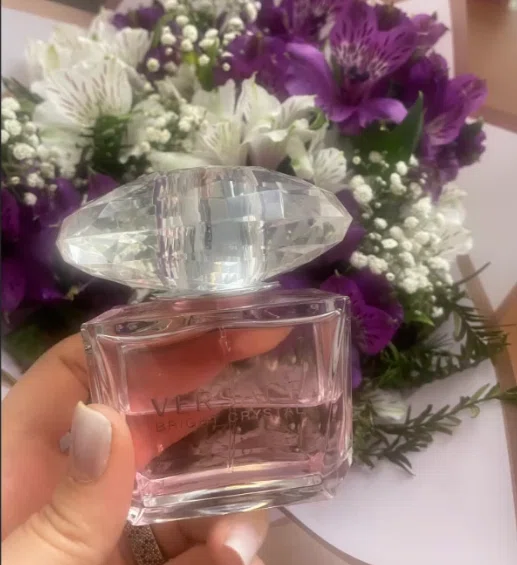
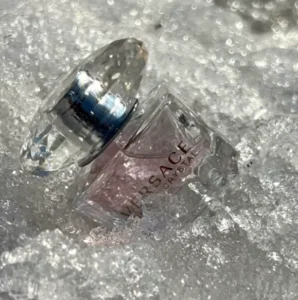
- Packaging and Tooling: Take a look at the Versace bottle. That massive, beautiful, heavy glass cap shaped like a crystal requires custom molds, expensive glass formulation, and complex assembly lines. Luxury packaging is one of the largest physical cost drivers.
- Marketing and Celebrity Endorsements: Global advertising campaigns are staggering. Paying A-list models, funding television commercials, and securing prime real estate in fashion magazines like Vogue costs millions of dollars. These costs are directly baked into the MSRP of every single bottle.
- Licensing and Retail Markups: Most fashion houses do not own perfume factories. They license their name to massive beauty conglomerates (like Euroitalia or L’Oréal), who formulate and manufacture the fragrance. Then, the fragrance goes to national distributors, and finally to retail stores. Brick-and-mortar stores typically take a 40% to 60% markup just for the privilege of putting the bottle on their shelf.
Understanding this supply chain is crucial for the modern consumer. It explains a fundamental truth: finding a more affordable alternative isn’t about accepting “fake” or dangerous ingredients; it is about finding a brand that utilizes a more efficient, direct-to-consumer (DTC) business model.
The Importance of Maceration (Why Mass-Produced Perfumes Suffer)
There is a critical step in fragrance manufacturing known as maceration. When a perfume is compounded in a factory, the concentrated oils are mixed with perfumer’s alcohol and distilled water. In an ideal world, this mixture should sit in temperature-controlled vats for several weeks, or even months.
Why? Because perfume needs time to age, much like a fine wine or a complex stew. During maceration, the harsh smell of the alcohol mellows out, and the chemical bonds between the top, middle, and base notes stabilize. This results in a smoother, richer, and often significantly longer-lasting scent. The Yuzu learns to blend seamlessly with the Peony, rather than fighting against it.
However, in the high-speed world of mass-market luxury production, time is money. Massive batches are often mixed, quickly bottled, and shipped to retail stores as fast as possible to meet quarterly sales quotas. This is why a brand-new bottle of a designer fragrance sometimes smells “sharper” or more alcoholic than the tester bottle sitting under the warm lights of the department store (which has had months to macerate in the bottle).
Smaller, specialized direct-to-consumer dupe houses often have the advantage here. Without the pressure of supplying 10,000 retail stores globally, they can afford to let their batches macerate fully in the factory before shipping them directly to the consumer, ensuring a smoother olfactory experience from the very first spray.
The Fair Market: Exploring the Best Bright Crystal Dupes and Alternatives
Because Bright Crystal is such a beloved staple, the free market has responded with numerous alternatives. If you are looking for an affordable fresh floral perfume or simply a perfume that smells like bright crystal but offers better longevity or a friendlier price tag, you have several excellent options. We have analyzed the top contenders based on consumer feedback, formula accuracy, and supply-chain value.
1. The Fast-Fashion Favorite: Zara Lightly Bloom
Zara has become an absolute powerhouse in the affordable fragrance world, often working with renowned perfumers behind the scenes. Lightly Bloom is widely considered by the fragrance community to be the closest cousin to Bright Crystal available at the mall.
- Pros: Extremely affordable (usually under $25), highly accessible, and offers a beautifully fresh, dewy lotus and peony vibe. It is perfect if you need something immediately without waiting for shipping.
- Cons: It lacks the sharp, icy Yuzu opening of the Versace original, leaning almost entirely into the soft florals. Furthermore, Zara fragrances are notorious for their fleeting longevity, often requiring reapplication every 2 hours.
2. The Online Clone Giant: Dossier Fruity Peony
Dossier is one of the most recognized direct-to-consumer fragrance brands in the USA, specializing in creating 1-to-1 copies of designer scents using standardized, minimalist packaging to cut costs.
- Pros: Excellent price-to-value ratio ($29), very transparent ingredient lists, and an incredibly generous return policy. They use a higher concentration (EDP), so it outlasts the original Versace EDT by an hour or two.
- Cons: According to some purists, the scent matching can sometimes feel slightly “flat.” Replicating the exact chill of Morillas’s “ice accord” is notoriously difficult, and Dossier’s version feels slightly warmer and fruitier right out of the gate.
3. The Supply-Chain Optimized Choice: Imixx No.08
Acting as a factory-direct manufacturer, Imixx takes a highly technical approach. Instead of just copying the scent, they focus on reformulating the weak points of the original through extended maceration and higher oil concentrations. Their iteration is Imixx No.08.
- Pros: Engineered with an optimized Eau de Parfum (EDP) concentration level, specifically to address the short lifespan of the original. It offers extended wear (often 6-8+ hours depending on skin chemistry). The direct-to-consumer model ensures high-quality, IFRA-compliant ingredients at a fraction of designer prices (under $40). The Yuzu opening is remarkably accurate.
- Cons: It is only available online, meaning you cannot smell it before you purchase, and it lacks the heavy, luxurious glass bottle experience of the designer brand.
4. The Designer Alternative: Chanel Chance Eau Tendre
If you aren’t looking for a cheap dupe, but rather a different designer fragrance that shares the same “vibe,” Chanel’s Chance Eau Tendre is the ultimate alternative.
- Pros: Impeccable blending. It replaces the Yuzu with Quince and Grapefruit, and uses Jasmine and Hyacinth in the heart. It is equally fresh, uplifting, and office-safe, with the undeniable prestige of Chanel.
- Cons: It is even more expensive than Versace, and the EDT version suffers from similar longevity issues.
Table 2: Comparing Your Options (Original vs. Alternatives)
| Brand / Perfume | Retail Model | Concentration / Average Longevity | Scent Accuracy (Vibe) | Price Range (Approx) |
|---|---|---|---|---|
| Versace Bright Crystal | Luxury Retail / Department Stores | EDT / 3-5 Hours | The Original Standard | $100 – $140+ |
| Zara Lightly Bloom | Fast Fashion Retail | EDP/EDT mix / 2-3 Hours | Similar Floral Vibe, lacks the icy citrus | $20 – $30 |
| Dossier Fruity Peony | Online Direct-to-Consumer | EDP / 4-6 Hours | Very Close Match, slightly warmer | $29 |
| Imixx No.08 | Factory-Direct to Consumer | Optimized EDP / 6-8 Hours | Highly Comparable (Focus on Yuzu/Peony longevity) | Under $40 |
| Chanel Chance Eau Tendre | Luxury Boutique | EDT or EDP / 4-7 Hours | Different notes (Quince), same uplifting category | $130 – $160+ |
How to Make Your Fragrance Last All Day: The Expert Layering Routine
Whether you choose to invest in the designer original, grab a bottle from Zara, try a trusted dupe house like Dossier, or opt for a performance-driven alternative like Imixx No.08, the way you apply your perfume will dramatically affect how long it lasts. As verified by dermatologists in major beauty publications like Allure, skin prep is everything. Here is the ultimate routine to maximize longevity:
Step 1: Hydration is the Anchor
Never spray perfume on dry, unmoisturized skin. Fragrance oils need lipids (fats) to bind to; otherwise, they just evaporate into thin air. Right after you shower, while your pores are open and your skin is still slightly damp, apply an unscented body lotion, a body oil, or a matching scented lotion. If you want to take it a step further, apply a tiny dab of Vaseline (petroleum jelly) to your pulse points. The perfume will lock onto the ointment, acting as a slow-release diffuser throughout the day.
Step 2: Target the Right Pulse Points (And Stop Rubbing!)
Pulse points are areas where your veins are closest to the surface of your skin: your wrists, the inside of your elbows, the base of your throat, and behind your ears. The natural heat of your blood warms the perfume, helping it project into the air.
The Golden Rule: Once you spray your wrists, DO NOT rub them together! Rubbing creates intense friction and heat, which literally breaks down the delicate top notes (like the Yuzu and Ice Accord) and ruins the scent’s intended progression, pushing it straight into the base notes prematurely.
Step 3: The Hair and Fabric Hack
Skin chemistry is unpredictable and can eat up fragrance. Fabric and hair, however, are porous and cool, meaning they hold onto scents much longer than warm skin. Spray a light mist of your perfume onto the inside lining of your jacket, your scarf, or a cotton t-shirt. For your hair, spray the perfume into the air and walk through the mist, or spray it onto your hairbrush before brushing. (Note: Avoid spraying pure perfume directly onto your hair on a daily basis, as the high alcohol content can be drying over time).
Step 4: Proper Storage (Protect Your Investment)
The absolute worst place to keep your perfume collection is on a tray in your bathroom. The constant fluctuation of heat and intense humidity from your daily shower will cause the delicate floral and citrus oils to break down, oxidize, and spoil much faster. Keep your fragrances in a cool, dark place, like a bedroom drawer or a closet, far away from direct sunlight and radiators.
Frequently Asked Questions (FAQ)
To help you navigate your purchase, we have compiled the most common questions US consumers ask about this iconic scent profile, answering them with objective, industry-backed knowledge.
1. Is Versace Bright Crystal a good everyday perfume for women?
Absolutely. It is universally praised for being inoffensive, light, and incredibly uplifting. Whether you are working in a tight, enclosed office space, going to a university class, or running errands, its fresh peony and yuzu blend makes you smell clean and put-together without ever giving anyone a headache. It is the definition of a versatile daytime signature scent.
2. What is the exact difference between Bright Crystal and Bright Crystal Absolu?
Bright Crystal (the original light pink bottle) is an Eau de Toilette (EDT). It is very fresh, aquatic, and light. Bright Crystal Absolu (the darker, hot pink bottle) is an Eau de Parfum (EDP). Absolu takes the original DNA but adds a very prominent raspberry note and increases the overall fragrance concentration. Because of this, Absolu is sweeter, slightly heavier, and generally lasts longer on the skin. They share a vibe, but they are not identical.
3. Is this scent appropriate for spring and summer climates in the US?
Yes, it is practically designed for warm weather. The citrusy yuzu and the “ice accord” provide a refreshing, cooling effect that cuts through high humidity beautifully, making it perfect for states like Florida or Texas. Conversely, it might feel a bit too thin, sharp, or “cold” in the freezing depths of a midwestern winter, where heavier, cozier vanilla or amber scents are usually preferred.
4. How can I find a high-quality perfume that smells like Bright Crystal?
When looking for a yuzu and peony fragrance alternative, pay close attention to the concentration (EDP vs EDT) and the company’s business model. Avoid cheap gas-station knock-offs that do not disclose their ingredients. Look for reputable, transparent dupe houses like Dossier, Alt Fragrances, or factory-direct brands like Imixx. Read customer reviews specifically looking for mentions of “longevity” and a “lack of alcohol smell in the opening,” as these are the true hallmarks of a well-formulated, properly macerated alternative.
5. What age group is this fragrance designed for?
While the brand’s marketing and the bright pink packaging often target women in their late teens to early 30s, the actual scent profile is completely ageless. The clean musk and elegant magnolia ensure it doesn’t smell like a cheap “teenager’s body spray.” It is highly suitable for anyone—from a 16-year-old to a 65-year-old—who simply enjoys smelling fresh, botanical, and clean.
6. Why is the liquid in my perfume bottle turning yellow?
If you own the original or a dupe for a few years, you might notice the pink liquid turning slightly yellow or orange. This is a natural chemical reaction to light and oxygen called oxidation. While the color changes, the scent usually remains perfectly fine for 3 to 5 years if stored properly. Again, keep it out of the bathroom and away from windows!
7. Are duplicate fragrances and clones safe for my skin?
Yes, provided you purchase from a legitimate company. Reputable alternative fragrance houses source their aroma chemicals from the same massive global supply houses (like Givaudan or Firmenich) as the designer brands, and they strictly formulate their products to comply with IFRA (International Fragrance Association) safety standards. Always ensure you are buying from a transparent, US-accessible company rather than an unbranded knock-off from an untrustworthy overseas marketplace.
Conclusion: Empowering Your Fragrance Journey
Navigating the complex world of luxury fragrances doesn’t have to be confusing, nor does it have to be prohibitively expensive. The scent profile of Yuzu, Pomegranate, and Peony is iconic for a very good reason—it is a masterclass in joyful, clean perfumery that has captured the US market for nearly two decades. However, as an educated consumer, you do not have to settle for the poor longevity that often accompanies traditional Eau de Toilettes, nor do you have to pay massive retail markups just to own a heavy glass bottle.
By understanding the supply chain, the basic physics of note volatility, and the power of proper skin hydration and application techniques, you are now fully equipped to make a much smarter purchasing decision. Whether you decide to stick with the beloved, prestige designer original, explore accessible fashion alternatives like Zara, enjoy the risk-free online shopping of Dossier, or upgrade your longevity with a factory-direct, highly concentrated formulation like Imixx No.08 from Imixx.net, the choice is entirely yours.
Fragrance is a deeply personal accessory. It is the invisible aura that enters a room before you do, and lingers long after you leave. Smelling expensive, fresh, and radiant should be an accessible luxury for everyone. Use the expert layering tips provided in this guide, explore the alternatives fairly based on your budget and needs, and enjoy smelling beautiful from morning until night.
