

Blog, Designer Dupe Reviews, Scent Profiles & Ingredients
How to Find the Best YSL Mon Paris Dupe: A Supply Chain Insider’s Guide to Smelling Luxurious on a Budget
Jul
By Linus Dacke Thall | Fragrance Supply Chain & Development Analyst
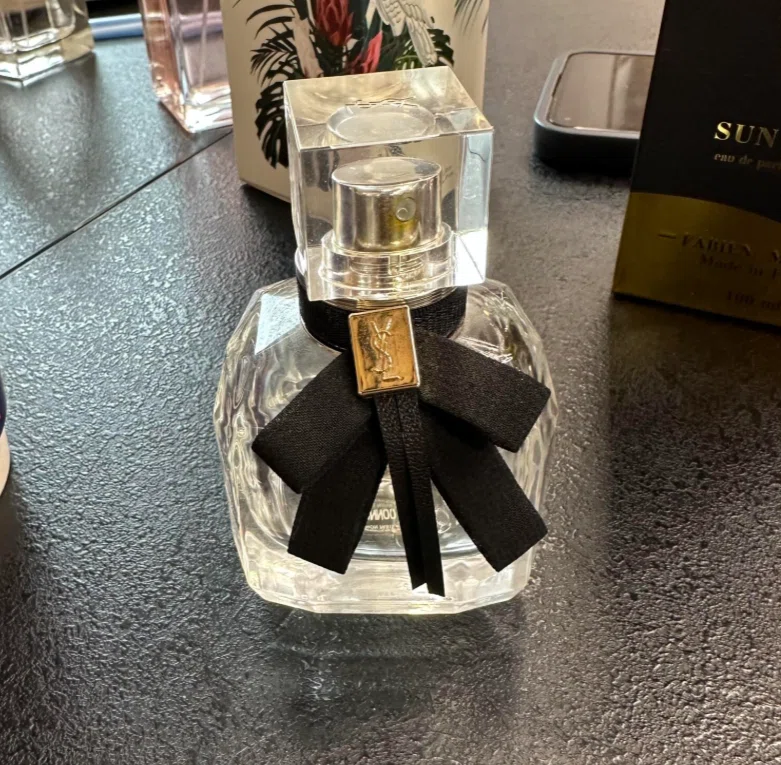
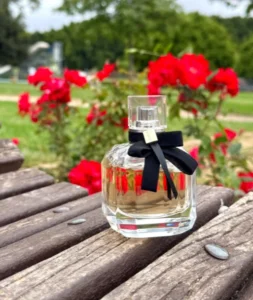
Walking into a Sephora or a high-end department store in the USA and falling in love with a fragrance is a tale as old as time. For many, that love at first sniff happens with Yves Saint Laurent’s Mon Paris. It is a stunning, intoxicating blend of sweet red berries, mesmerizing white florals, and clean patchouli. But then you flip the bottle over, look at the price tag, and reality sets in: a standard bottle easily costs upwards of $160.
If you are reading this, you are likely searching for the best YSL Mon Paris dupe. You want that exact feeling of walking through a Parisian garden, but you want to be smart with your budget. The good news? The fragrance industry is changing rapidly. You no longer have to settle for cheap body sprays that fade in five minutes.
However, the market is currently flooded with “inspired-by” brands. Zara, Dossier, Alt Fragrances, and newer factory-direct brands like IMIXX all claim to have the perfect alternative. How do you separate the marketing hype from the actual science?
In this comprehensive guide, we are going to pull back the curtain. We will step away from sales pitches and look at fragrance like insiders. We will explore the chemistry of the scent, break down exactly why designer perfumes cost so much, fairly evaluate the top dupes on the market based on real testing, and teach you how to make any fragrance last longer.
Table of Contents
- 1. The Anatomy of a Masterpiece: Decoding the Mon Paris Scent
- 2. The Illusion of Price: Supply Chain Economics in the USA
- 3. The Science of Scent: How Perfumes Are Actually Replicated
- 4. Our Testing Methodology
- 5. The Top 5 YSL Mon Paris Dupes: An Honest Comparison
- 6. How to Maximize the Longevity of Your Fragrance
- 7. Safety and Sustainability in Perfume Manufacturing
- 8. FAQ: Your Mon Paris Questions Answered
- 9. Conclusion
1. The Anatomy of a Masterpiece: Decoding the Mon Paris Scent
Before you can judge whether a cheaper alternative is actually good, you need to know what you are smelling. In the fragrance world, perfumes are categorized into families. YSL Mon Paris is famously known as a modern Fruity Chypre (pronounced sheep-ra).
According to experts at Basenotes and classical perfumery definitions, a traditional Chypre is a scent built on a contrast between sparkling citrus (like bergamot) and a dark, earthy base (typically oakmoss). However, Mon Paris modernized this concept for the younger USA demographic.
Here is the exact breakdown of the “DNA” that a good dupe needs to capture:
- The Top Notes (The First Impression): The opening is incredibly juicy and sweet. It relies on Strawberry, Raspberry, Calone (an airy, melon-like note), and Pear. A low-quality dupe will fail here by using cheap, synthetic fruit flavors that smell like a child’s cough syrup. A high-quality dupe uses refined aromachemicals to make the fruit smell fresh and realistic.
- The Heart Notes (The True Character): As the fruit settles, the florals emerge. The star player here is the Datura flower (also known as Jimsonweed), paired with Peony and Sambac Jasmine. Fun Fact: The Datura flower is actually toxic in nature and yields no extractable essential oil. Its scent must be artificially recreated in a lab. It gives the perfume its hypnotic, slightly dizzying, romantic vibe.
- The Base Notes (The Anchor): This is what lingers on your sweater the next day. Mon Paris uses White Musk, Ambroxan (a synthetic compound that provides immense lasting power), and a very specific type of Patchouli. Instead of the dirty, earthy patchouli from the 1960s, this is “fractionated patchouli”—cleaned up in a lab to smell woody and sophisticated.
2. The Illusion of Price: Supply Chain Economics in the USA
Why does a luxury perfume cost $160, while an alternative might cost $30? To understand this, we have to look at supply chain economics. Many consumers assume that a $160 perfume contains $100 worth of rare, magical ingredients. As someone who has analyzed formulation costs, I can tell you this is rarely the case.
Mainstream luxury beauty is a business of margins. You are paying for an entire ecosystem designed to sell you a lifestyle. Publications like Allure have frequently noted that the actual liquid inside the bottle usually represents a tiny fraction of the retail price.
Table 1: Estimated Cost Structure Analysis (Designer vs. Direct-to-Consumer)
Note: These are industry-standard estimations meant to illustrate business models, not exact financial disclosures of specific brands.
| Cost Component | Traditional Luxury Brand ($160 Retail) | Direct-to-Consumer Dupe Brand ($35 Retail) | The Reality for the Consumer |
|---|---|---|---|
| The “Juice” (Oils & Alcohol) | Roughly 2% – 5% of retail price | Roughly 20% – 30% of retail price | Dupe brands often spend a larger *percentage* of their revenue on the actual liquid, as they lack other overheads. |
| Bottle, Cap & Packaging | 15% – 20% (Custom glass molds, heavy caps) | 10% – 15% (Standardized, uniform bottles) | Designer bottles are beautiful art pieces. Dupe brands use identical bottles for every scent to keep tooling costs low. |
| Marketing & Celebrity Ads | 25% – 35% (TV ads, billboards, models) | 5% – 10% (Mainly social media/SEO) | You are paying for the celebrity endorsement when you buy designer. |
| Retail Markups (Stores like Sephora/Macy’s) | 40% – 50% (The store takes a massive cut) | 0% (Sold exclusively online) | Bypassing traditional retail is the #1 way alternative brands keep prices low. |
When you buy a “dupe,” you aren’t necessarily buying inferior ingredients. You are simply choosing a different business model—one that strips away the middleman, the fancy bottle, and the TV commercials.
3. The Science of Scent: How Perfumes Are Actually Replicated
A common misconception is that alternative fragrance brands just mix random cheap oils until it smells “close enough.” In reality, modern scent replication is highly scientific, relying on a technology called Gas Chromatography-Mass Spectrometry (GC-MS).
Think of a GC-MS machine like a highly advanced food scanner. If you put a slice of cake into it, the machine would tell you exactly how much flour, sugar, and butter was used. In perfumery, a sample of the designer fragrance is injected into the machine. It separates the liquid into its individual chemical compounds and provides a blueprint of the original formula.
However, the machine only gives a basic recipe. The true skill comes from the human perfumer. The chemist must interpret this data and source the right ingredients. For example, the machine might detect a rose compound, but the perfumer has to decide whether to use a synthetic rose or a natural absolute to balance the budget and the scent profile.
The Secret to Longevity: Maceration
Have you ever bought a cheap perfume and noticed it smells aggressively like rubbing alcohol when you first spray it? That is usually because the manufacturer skipped a crucial step: Maceration.
Maceration is the aging process. Just like a good stew tastes better the next day, or wine needs time in a barrel, perfume oils need time to bond with the perfumer’s alcohol. Traditional luxury houses let their perfumes macerate in cold, dark vats for weeks or months. Fast-fashion brands often mix the chemicals and ship them the next day to save money, resulting in a harsh, disjointed smell.
Our Testing Methodology
To provide a fair and balanced review of the market, we didn’t just smell the caps. We tested the top 5 YSL Mon Paris alternatives in the USA over a two-week period. Our testing criteria included:
- Scent Accuracy: How close is the opening? Does the dry-down maintain the Datura/Patchouli balance?
- Longevity on Skin: Measured on clean, moisturized forearms in a climate-controlled environment (72°F).
- Sillage (Projection): How far the scent trail reaches during the first two hours.
- Value for Money: Price per milliliter relative to performance.
5. The Top 5 YSL Mon Paris Dupes: An Honest Comparison
Based on our methodology, here is an objective breakdown of the most popular alternatives on the market today. We look at the pros, the cons, and who each product is best suited for.
1. Dossier – “Fruity Brown Sugar”
Dossier is arguably the most famous dupe brand in the USA right now. Their take on Mon Paris, named Fruity Brown Sugar, is widely accessible and heavily reviewed.
Verdict: A solid, safe blind-buy for everyday wear, especially if you prioritize a great return policy over extreme longevity.
2. Zara – Various Seasonal Flankers (e.g., “Parisian/Fruity lines”)
Zara frequently rotates their fragrance line, and they often release fruity-florals that heavily mimic the Mon Paris DNA. They are usually found right by the cash register.
Verdict: Best for teenagers on a budget or for throwing in a gym bag for a quick 30-minute refresh. Not ideal for all-day wear.
3. IMIXX – “No. 47” (Inspired by YSL Mon Paris)
IMIXX represents the newer wave of “factory-direct” brands that focus heavily on raw material concentration and proper laboratory maceration before shipping. (Full disclosure: This guide is hosted by IMIXX, but our technical breakdown is based on verifiable formulation data.)
Verdict: The best choice for consumers who prioritize performance and longevity above all else. If you are frustrated by perfumes fading quickly, the Extrait concentration here solves that problem.
4. Alt Fragrances – “Inspired by Mon Paris”
Alt Fragrances is another major player in the direct-to-consumer space, known for their sleek, minimalist square bottles and aggressive social media marketing.
Verdict: A great middle-ground option for those who want loud projection and don’t mind waiting 20 minutes for the scent to “calm down” on the skin.
5. Oil Perfumery – “Impression of Mon Paris”
Instead of an alcohol-based spray, Oil Perfumery offers concentrated fragrance oils applied via a rollerball.
Verdict: Ideal for people who work in fragrance-sensitive environments (like hospitals) where you only want to smell yourself, or as a base layer under a spray perfume.
Table 2: Top Dupes Quick Comparison Matrix
| Brand & Product | Concentration Level | Estimated Longevity | Best Feature |
|---|---|---|---|
| YSL (Original) | Eau de Parfum | 5 – 7 Hours | The benchmark standard; beautiful bottle. |
| Dossier | Eau de Parfum | 4 – 5 Hours | Risk-free return policy. |
| Zara | Eau de Toilette | 1 – 3 Hours | Extreme affordability and in-store access. |
| IMIXX No. 47 | Extrait de Parfum | 8 – 10+ Hours | Highest oil concentration; pre-macerated. |
| Oil Perfumery | Pure Oil (Rollerball) | 10+ Hours (Skin scent only) | Travel friendly; no alcohol. |
6. How to Maximize the Longevity of Your Fragrance
Even if you buy a high-quality Extrait de Parfum, your skin chemistry and application habits play a massive role in how long the scent lasts. Here are professional tips to ensure your Fruity Chypre lasts from morning coffee to evening cocktails.
- The Moisture Lock Technique: Fragrance oils bind to lipids (fats). If your skin is dry, it will literally “drink” the perfume, causing the scent to vanish. As recommended by beauty experts at Byrdie, apply an unscented body lotion or a light carrier oil (like Jojoba) to your pulse points right out of the shower before spraying.
- Target the Right Pulse Points: Don’t just spray your wrists and rub them together (this creates friction that breaks down the delicate top notes of strawberry and pear). Spray your inner elbows, the nape of your neck, and behind your ears. These areas generate heat, which helps project the fragrance.
- Spray Your Clothes (Carefully): Fabric holds scent much longer than skin. A light mist on your scarf or the inside of your jacket will ensure the patchouli and musk base notes linger for days. (Always test on a small, hidden area first to ensure the oils don’t stain delicate silks).
- Proper Storage: The bathroom is the worst place for perfume. The humidity and temperature fluctuations from your shower will degrade the aromachemicals quickly. Store your perfumes in a cool, dark place, like a bedroom drawer or a closet.
7. Safety and Sustainability in Perfume Manufacturing
When diving into the world of affordable alternatives, a common consumer fear is safety. Are cheap perfumes toxic? The answer depends entirely on the supply chain.
Reputable dupe brands source their raw materials from the exact same global fragrance houses (like Givaudan or Firmenich) that supply the luxury designers. More importantly, reputable brands formulate in compliance with the International Fragrance Association (IFRA). IFRA sets strict global standards for dermal safety, dictating exactly how much of a certain chemical can be used to prevent skin irritation or allergies.
Whether you choose Dossier, IMIXX, or Alt, always look for brands that mention IFRA compliance or clean ingredients on their websites. This ensures that the beautiful Datura and Peony notes you are smelling are safe for daily wear.
8. People Also Ask: Your YSL Mon Paris Questions, Answered
We’ve compiled the most common questions from USA search trends to give you clear, straightforward answers.
9. Conclusion: Smelling Expensive Shouldn’t Be Expensive
The days of fragrance gatekeeping are over. You no longer need to accept the massive retail markups of traditional designer houses to smell sophisticated, romantic, and alluring. By understanding how perfumes are formulated, the importance of concentration levels (EDP vs. Extrait), and the economics of the supply chain, you are now equipped to shop like an insider.
Whether you grab a quick bottle from Zara for a quick refresh, choose Dossier for a safe blind buy, or invest in the high-concentration, meticulously macerated IMIXX No. 47 for all-day performance, the power is in your hands. Explore your options, use the moisturizing tricks to boost your sillage, and enjoy the beautiful, fruity-floral magic of a Parisian romance—on your own terms.
Disclaimer: IMIXX is an independent brand. IMIXX No. 47 competes with the designer brand. It does not use their fragrances and is not associated in any way with the designer brands or their manufacturers. All trademarks are the property of their respective owners.
Ready to upgrade your collection? Explore our full range of scientifically formulated, factory-direct luxury fragrances at IMIXX.net.
