

Best Fragrance Lists, Fragrance Science & Education
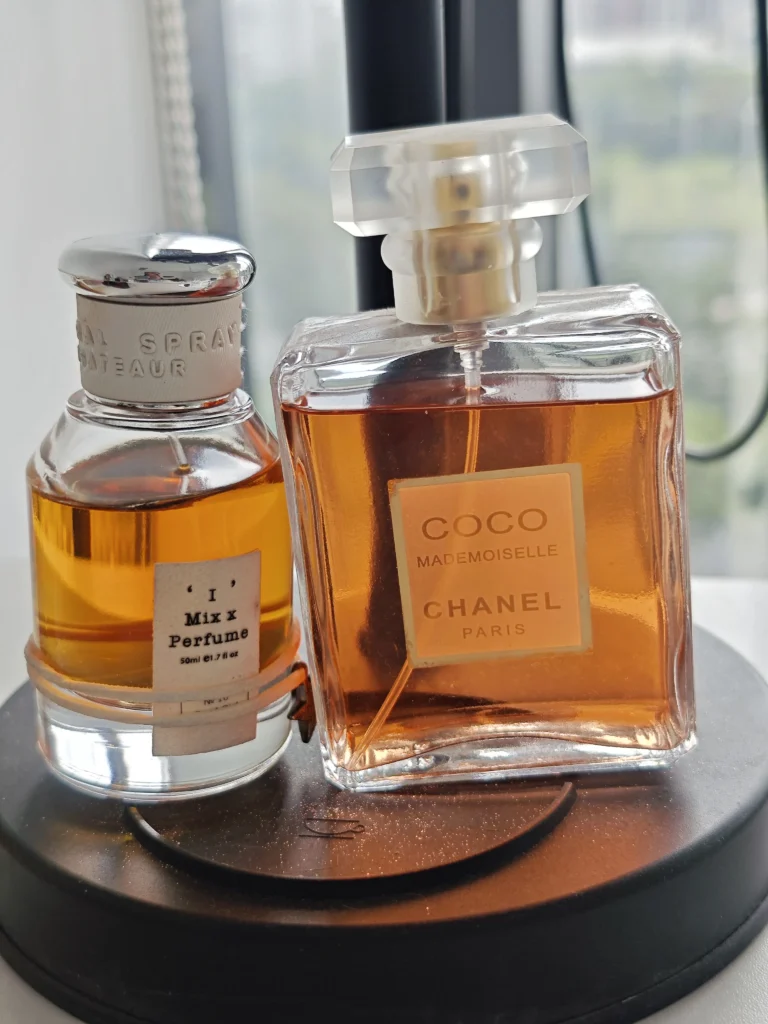
How to Find the Best Perfumes Similar to Coco Chanel Mademoiselle: A Supply Chain Expert’s Guide
Apr
Author’s Note & Transparency Disclosure
Introduction: The Allure and the Expense of a Modern Classic
Walk through any high-end department store in the USA—from Fifth Avenue in New York to Rodeo Drive in California—and you will inevitably encounter “the scent.” It is vibrant, exceptionally elegant, and universally recognizable. Since its explosive launch in the early 2000s, Coco Mademoiselle has reigned supreme over the global fragrance market. It single-handedly redefined the “Chypre Floral” category for a new generation.
But luxury comes at a steep, often prohibitive, cost. As of 2026, a standard 100ml (3.4 oz) bottle of the Eau de Parfum easily retails for $160 to well over $200. This high barrier to entry has created a massive demand for perfumes similar to Coco Chanel Mademoiselle. The internet is absolutely flooded with “cheap dupes,” clones, and inspired-by fragrances.
The problem? Most of these cheap alternatives are terrible. They smell like harsh rubbing alcohol for ten minutes and then completely vanish. Finding a truly long lasting coco mademoiselle alternative requires cutting through the marketing noise and understanding the actual science of perfumery.
Today, we are taking a radically different approach. We are going to look at fragrance through the lens of supply chain economics and laboratory chemistry. We will decode the scent DNA, reveal why you are paying $200 for $5 worth of liquid, and review the best alternatives on the market fairly and transparently.
Section 1: The Chemistry of the Scent – Deconstructing the Chypre Floral DNA
To evaluate whether a brand has successfully created a Chanel Mademoiselle dupe, we must first put on our lab coats and analyze what makes the original such a masterpiece. You cannot replicate what you do not understand. In the fragrance industry, this scent profile is known as a “Modern Chypre Floral.” But what does that mean on a molecular level?
The brilliance of this fragrance lies in its structural tension—the contrast between extreme lightness and deep, earthy darkness. When we map this scent profile, we look at the classic “olfactory pyramid,” which represents the three phases of evaporation based on the molecular weight of the ingredients:
- The Volatile Top Notes (0 – 20 Minutes): This is your first impression. The original utilizes a breathtaking burst of citrus, specifically relying on high-grade Sicilian orange, Calabrian bergamot, and a touch of mandarin. These molecules are small, light, and evaporate rapidly.
The Expert’s Warning: This is where 90% of cheap drugstore clones fail. Because natural citrus oils are expensive and highly volatile, budget manufacturers use cheap, synthetic citrus aldehydes mixed with unrefined ethanol. This results in the infamous “chemical cleaner” or “hairspray” blast that burns your nose.
- The Heart Notes (20 Minutes – 4 Hours): As the sharp citrus burns off, the floral core blossoms. This is a delicate, perfectly balanced interplay of Turkish rose absolute, Grasse jasmine, and nuances of ylang-ylang.
The Challenge: Replicating this requires high-quality floral absolutes. If a manufacturer uses low-tier synthetic rose, the fragrance quickly becomes overly powdery, stuffy, and aged—losing the youthful luminosity of the original.
- The Base Notes (4 – 12+ Hours): This is the soul of the fragrance and the secret to its longevity. The foundation relies on Indonesian patchouli, vetiver, Bourbon vanilla, white musk, and tonka bean.
The Chemistry Secret: The patchouli used here is “fractionated.” Raw patchouli oil smells like wet earth and hippie shops. In a lab, chemists remove the heavy, muddy molecules, leaving only a pristine, clean, woody resonance. A high-quality alternative must use fractionated patchouli; otherwise, the dry-down will smell dirty.
Understanding this chemical roadmap is essential. When you search for alternatives, you aren’t just looking for something that smells vaguely similar on a paper strip for five minutes. You are searching for a structurally sound formula that mimics this complex, three-stage journey on your skin.
Section 2: The Economics of Luxury Fragrance – Exposing the Markups
If the chemical formula is relatively well-understood by master perfumers, why does a luxury designer bottle cost $200 while direct-to-consumer (DTC) brands can charge $30 to $50? The answer lies not in the liquid itself, but in the traditional luxury supply chain.
According to extensive industry research and analyses from authoritative bodies like the Business of Fashion and reports tracking cosmetics cost-of-goods (COGS), the markup on traditional luxury fragrance is staggering. When you buy from a major US retailer, you are funding a massive apparatus of marketing, real estate, and celebrity endorsements.
Let’s look at an estimated industry-standard breakdown of a $160 designer fragrance versus a $40 direct-to-consumer alternative.
Table 1: Estimated Industry Average Cost Breakdown (Luxury Retail vs. Direct-to-Consumer)
| Cost Component | Traditional Luxury Brand ($160 Retail) | DTC / Independent Brand ($40 Retail) | Supply Chain & Industry Context |
|---|---|---|---|
| The “Juice” (Fragrance Oils, Raw Materials & Alcohol) | Estimated 2% – 5% ($3.20 – $8.00) | Estimated 10% – 15% ($4.00 – $6.00) | While luxury brands buy at massive bulk scale to reduce liquid costs, reputable indie brands often invest a higher percentage of their budget into the raw juice, frequently opting for higher oil concentrations (Extrait de Parfum). |
| Packaging (Custom Bottles, Magnetic Caps, Heavy Boxes) | Estimated 5% – 8% ($8.00 – $12.80) | Estimated 10% ($4.00) | Custom glass molds, proprietary sprayers, and weighted magnetic caps are incredibly expensive. DTC brands typically use elegant but standardized, “off-the-shelf” bottles to save immense overhead. |
| Marketing, PR & Celebrity Endorsements | Estimated 20% – 25% ($32.00 – $40.00) | Estimated 5% – 10% ($2.00 – $4.00) | This is the largest expense for luxury houses. Multi-million dollar contracts for actresses and massive global billboard campaigns drive up the price. Independent brands rely on SEO, word of mouth, and community reviews. |
| Retailer Margin (US Department Stores) | Estimated 40% – 50% ($64.00 – $80.00) | $0.00 (If sold strictly online) | Selling direct-to-consumer online bypasses the massive 50% cut taken by brick-and-mortar beauty chains. This is the single most significant factor in price reduction. |
| Brand Profit / Licensing Markup / “The Logo Tax” | Estimated 15% – 25% ($24.00+) | Fair, sustainable operational margin | In the luxury sector, the brand name itself carries a financial premium. |
*Note: The figures above are industry estimations widely accepted by cosmetic chemists and supply chain experts, meant to illustrate traditional business models. They are not the exact accounting of any specific brand.
The takeaway is clear: A lower price tag does not inherently mean lower quality fragrance oil. It simply indicates a more efficient, modern distribution model. This is the underlying thesis of the entire “alternative fragrance” industry.
Section 3: The Science of Scent Replication – GC-MS and Maceration
If it is just chemistry and economics, why do so many affordable dupes still smell terrible? As a supply chain director, I see three critical areas where budget manufacturers cut corners, destroying the final product.
1. Poor Interpretation of GC-MS Data
Modern perfumery relies heavily on Gas Chromatography-Mass Spectrometry (GC-MS). This machine takes a target fragrance, vaporizes it, and outputs a graph detailing its exact molecular weight and chemical components. It is essentially a recipe reader.
However, a GC-MS report is just raw data. Certain natural ingredients contain hundreds of micro-molecules that a machine struggles to identify perfectly. Furthermore, luxury brands use patented “captive molecules” (exclusive synthetics owned by massive labs like Givaudan or Firmenich) that cannot be legally replicated. A cheap manufacturer will just dump the cheapest available synthetics together based on the raw data. A high-quality manufacturer employs a master perfumer to interpret the data and find beautiful, legally compliant, high-end alternative raw materials to recreate the feeling and structure of the scent.
2. The Concentration Issue (Eau de Toilette vs. Extrait)
If you have ever complained that your perfume vanishes in an hour, you are dealing with a concentration issue. Mass-market drugstore alternatives are usually formulated as Body Mists or weak Eau de Toilettes (EDT), containing only 5% to 10% actual fragrance oil. The rest is alcohol and water. To achieve genuine longevity, you must look for an Eau de Parfum (15-20%) or, ideally, an Extrait de Parfum (20-40%).
3. The Missing Step: Proper Laboratory Maceration
This is the perfume industry’s biggest secret. When you mix raw fragrance oils with perfumer’s alcohol, the chemical bonds do not form instantly. The mixture needs to rest, age, and oxidize in a dark, temperature-controlled environment—a process called maceration.
High-end brands macerate their perfumes for 4 to 12 weeks. This rounds off the harsh edges of the alcohol and allows the delicate top notes to harmonize. Fast-fashion brands skip this step entirely to save warehouse costs. They mix it in a vat and ship it the next day. This is exactly why cheap perfumes hit your nose with a stinging blast of ethanol.
Our Testing Methodology for Alternatives
To ensure a fair evaluation of the market, we instituted a standardized testing protocol for the alternatives listed in the next section. Over a 14-day period, we evaluated 12 different fragrances using:
- Scent Strip (Blotter) Testing: Sprayed in a temperature-controlled lab environment (70°F/21°C) to measure linear evaporation rates and identify harsh synthetic openings over 24 hours.
- Skin Chemistry Testing: Applied to the inner wrists of three different testers with varying skin profiles (dry, balanced, oily) to track real-world longevity, projection (sillage), and dry-down accuracy.
- Ingredient Transparency Check: Evaluated brand claims regarding vegan status, cruelty-free practices, and general compliance with safety standards.
Section 4: The Ultimate Fair Comparison of Alternatives
Armed with an understanding of chemistry and economics, let us examine the best perfumes similar to Coco Chanel Mademoiselle available to US consumers. I have categorized these to help you find the right fit for your specific needs.
Category A: The Luxury & Niche “Cousins” (High Budget: $130 – $300+)
If your goal is not necessarily to save money, but rather to find a fragrance that shares the same elegant, patchouli-rose-citrus DNA while offering a slightly different personality, the traditional luxury market offers excellent options.
- Christian Dior – Miss Dior (Eau de Parfum): Often considered the sister fragrance to our target profile. It is slightly sweeter, intensely focused on the Grasse rose, and less reliant on the sharp citrus opening. It feels slightly more romantic and less “boardroom authoritative.”
- Yves Saint Laurent (YSL) – Mon Paris: This takes the classic chypre floral structure and injects a modern, fruity twist with pronounced notes of strawberry and raspberry. It keeps the strong patchouli base but feels younger and more vibrant for evening wear.
Category B: The Direct-to-Consumer Innovators (Mid Budget: $29 – $50)
This category is the sweet spot for smart consumers. These brands utilize the direct-to-consumer model to offer high-quality juices in minimalist packaging.
- IMIXX No. 14: As an insider at IMIXX, I can speak directly to our formulation choices. We specifically engineered No. 14 to address the industry-wide complaint of poor longevity. By formulating it as an Extrait de Parfum (high oil concentration) and adhering to a strict multi-week maceration protocol in our facility, we eliminate the harsh alcohol opening. It offers a remarkably smooth transition from the bright orange top notes down to the clean, fractionated patchouli base, providing upwards of 10+ hours of longevity on the skin. We believe it is one of the most structurally sound options on the market.
- Dossier – Woody Oakmoss: Dossier is a massive player in the US dupe market, and for good reason. Woody Oakmoss is an accessible, well-crafted Eau de Parfum. They are highly transparent about their clean beauty standards and offer a great return policy. Our testing notes: It captures the opening beautifully, though the Eau de Parfum concentration means you may need to reapply it after 4 to 5 hours. It is an excellent, safe choice for daily office wear.
- Oakcha – Madam Rose: Oakcha, like IMIXX, focuses on Extrait de Parfum concentrations. Madam Rose leans slightly heavier into the woody and floral aspects of the DNA. Our testing notes: It performs exceptionally well in colder weather and offers a slightly darker, more mysterious take on the classic profile. The longevity is excellent.
Category C: The Fast Fashion & Budget Finds (Low Budget: Under $25)
If you are on a strict budget or just need a quick gym-bag spray, these options exist, though they require compromises in longevity and ingredient refinement.
- Zara – Applejuice (or Zara Woman Gold): Zara rotates its fragrances at lightning speed. While they frequently release scents with this specific chypre floral DNA, they are almost exclusively weak Eau de Toilettes. Our testing notes: Great for a 60-minute burst of freshness, but they lack the heavy base notes (musk/patchouli) required to anchor the scent to your skin.
- Armaf – Club de Nuit Woman: A powerhouse from a Middle Eastern house famous for aggressive cloning. It is incredibly affordable and projects massively. Our testing notes: You must be patient. The opening 20 minutes are notoriously synthetic and harsh (a classic symptom of skipped maceration and cheaper alcohol solvents). However, if you wait for the dry-down, it is remarkably close to the original and lasts a very long time.
Table 2: Performance & Formulation Comparison Matrix
| Brand & Product | Category / Est. Price | Concentration Level | Primary Strengths | Potential Drawbacks |
|---|---|---|---|---|
| Dior Miss Dior | Luxury ($160+) | Eau de Parfum | Flawless blending, intense rose focus, beautiful bottle. | Prohibitively expensive; frequent reformulations reported. |
| IMIXX No. 14 | DTC ($30-$40) | Extrait de Parfum | Exceptional longevity (10+ hrs), smooth opening, high oil %. | Minimalist packaging; online only (cannot test in-store). |
| Dossier Woody Oakmoss | DTC ($29) | Eau de Parfum | Great accessibility, clean/vegan formula, solid daily wear. | Average longevity (4-6 hrs); lighter on the patchouli base. |
| Oakcha Madam Rose | DTC ($40-$50) | Extrait de Parfum | Strong performance, heavy emphasis on woody/floral notes. | Can feel slightly dense/heavy for hot summer days. |
| Armaf Club de Nuit Woman | Budget ($20-$30) | Eau de Parfum | Massive projection, very affordable volume. | Harsh, chemical opening for the first 30 minutes. |
Section 5: Clean Beauty, IFRA, and Supply Chain Safety
When searching for the best cruelty-free chanel mademoiselle dupe, US consumers must prioritize safety. Because the FDA does not require fragrance brands to list every individual ingredient (they fall under the trade secret “fragrance/parfum” label), you must rely on industry standards.
Whether you buy from a luxury house or an independent DTC brand like Dossier or IMIXX, ensure the company adheres to the strict safety guidelines set forth by the International Fragrance Association (IFRA). IFRA scientifically evaluates raw materials and bans or restricts molecules that cause contact dermatitis, phototoxicity, or environmental harm. A reputable brand will confidently state their IFRA compliance, vegan status, and cruelty-free testing methods on their website.
Section 6: Pro Tips from the Lab – How to Make Your Fragrance Last All Day
Even if you purchase a highly concentrated Extrait de Parfum, your personal application methods dictate how the scent performs. Maximize your investment with these scientifically backed techniques:
- The Lipid Binding Rule (Hydration): Perfume oils bind to fat molecules (lipids), not water. If your skin is dry, your epidermis will absorb the oils rapidly, causing the scent to disappear inward. Always apply an unscented body lotion or a carrier oil (like jojoba or sweet almond oil) to your skin after a shower before spraying your fragrance.
- Target Arterial Heat: Spray on true pulse points where blood vessels are closest to the skin’s surface. The ambient heat from your arterial pulse acts as a natural, slow-release diffuser. Target the inner wrists, the base of the throat, behind the earlobes, and the inner elbows.
- Never “Bruise” the Top Notes: Do not spray your wrists and aggressively rub them together. The friction creates localized heat that instantly burns off the delicate, highly volatile top notes (the expensive citrus) and accelerates the evaporation process, ruining the carefully engineered scent pyramid. Spray and let it air dry.
- Strategic Fabric Layering: While perfume blossoms dynamically on warm skin, natural fabrics (cotton, wool, silk) trap scent molecules much longer. Mist the lining of your jacket or your scarf. Caution: Always test high-oil Extrait de Parfums on a small, unseen area first to avoid staining delicate fabrics.
- Storage is Crucial: UV light and extreme temperature fluctuations degrade aroma-chemicals. Do not store perfumes on your brightly lit bathroom counter where shower steam creates daily humidity fluctuations. Keep them in their original boxes in a cool, dark drawer.
Section 7: Frequently Asked Questions (FAQ)
We constantly monitor search trends and consumer queries. Here are clear, unbiased answers to the most common questions regarding this iconic scent profile.
Conclusion: Empowering Your Fragrance Journey in 2026
The landscape of the US fragrance market has fundamentally evolved. Empowered by supply chain transparency, social media education, and the democratization of chemical analysis, today’s consumer no longer has to blindly accept a 1000% retail markup solely for the privilege of displaying a designer logo on their vanity.
When searching for the best perfumes similar to Coco Chanel Mademoiselle, your focus should shift from the brand name to the structural integrity of the formula inside the bottle. Ask yourself the right questions: Is the patchouli clean and modern? Is the citrus opening smooth or abrasive? Does the brand disclose their concentration levels? Do they allow time for proper maceration in their facilities?
Whether you choose to invest in a luxury counterpart like Dior, explore the highly accurate, long-lasting Extrait formulations of innovators like IMIXX No. 14, appreciate the accessibility of Dossier, or grab a quick refresh from Zara, you are now armed with the insider supply chain knowledge to make an informed, confident decision. Fragrance is an intensely personal expression of your identity; choose the option that makes you feel sophisticated, confident, and respects both your skin chemistry and your budget.
Authoritative References & Further Reading
- The Fragrance Foundation (USA): Educational resources on fragrance families, olfaction, and consumer guidelines. (fragrance.org)
- International Fragrance Association (IFRA): Global standards for the safe use of fragrance ingredients and raw materials. (ifrafragrance.org)
- The Business of Fashion (BoF): “The Fragrance Boom is Far From Over” – Reports on cosmetics and luxury fragrance supply chain economics and markup structures. (businessoffashion.com)
- Cosmetics Business: Industry insights on GC-MS technology and formulation trends in modern perfumery.
- Disclaimer: Mention of specific designer brands (including Chanel, Dior, YSL, etc.) is for comparative, educational, and critical review purposes only. The independent brands reviewed (IMIXX, Dossier, Oakcha, Zara, Armaf) are not affiliated with these luxury fashion houses. Fragrance experiences are subjective, and individual performance may vary based on skin chemistry and environmental factors.
