

Blog, Designer Dupe Reviews
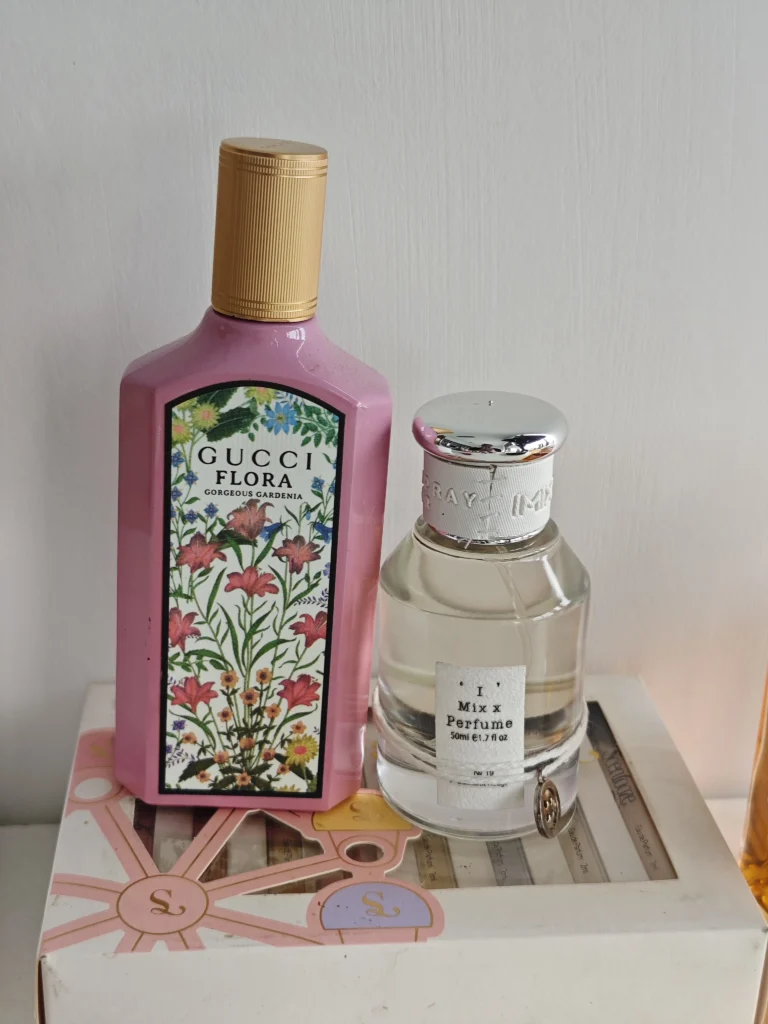
How to Find High-Quality Gucci Flora Dupe Perfumes in the USA: A Supply Chain Expert’s Guide
May
How to Find High-Quality Gucci Flora Dupe Perfumes in the USA: A Supply Chain Expert’s Guide
Executive Summary: Have you ever wondered why a luxury perfume like Gucci Flora costs upwards of $150, while a surprisingly similar “dupe” (inspired fragrance) can be purchased for a fraction of the price? The answer lies not in magic, but in the intricate mechanics of the global fragrance supply chain. In this comprehensive, unbiased guide, we pull back the curtain on the fragrance industry. We will explore the exact scent composition of the iconic Flora by Gucci, break down the true hidden costs of luxury fragrance manufacturing, and explain the complex science (and limitations) of how affordable alternatives are engineered. Whether you are a perfume enthusiast on a budget or simply a curious consumer, this deep dive will give you the insider expertise needed to navigate the world of affordable luxury perfumes confidently and safely.
Introduction: The Economics of Smelling Good
Walking through a high-end department store beauty counter is an experience designed to dazzle the senses. The heavy glass bottles, the gleaming gold caps, the celebrity faces plastered on illuminated displays—it all communicates luxury. But when you purchase a bottle of a high-end designer fragrance, what exactly are you paying for?
As a supply chain professional who has spent years analyzing the manufacturing, distribution, and retail logistics of consumer packaged goods (including cosmetics and personal care items), I view a bottle of perfume a bit differently than the average shopper. I don’t just smell the pear, gardenia, and patchouli; I see the raw material sourcing, the freight forwarding, the marketing budgets, and the retailer markups.
This guide is designed to empower you, the consumer. We are going to deconstruct the famous Gucci Flora Gorgeous Gardenia. By understanding how the original is made and marketed, you will learn exactly how to evaluate, select, and purchase a high-quality alternative in the United States without sacrificing safety, longevity, or that beautiful floral scent profile.
1. The Allure of Gucci Flora: Deconstructing the Scent Profile
Before we can understand how to find a high-quality alternative, we first must understand the original masterpiece. Flora by Gucci is an iconic line of women’s perfumes celebrated for their bright, uplifting, and unabashedly feminine floral profiles. It was designed to evoke a sense of youthful optimism and blooming springtime.
Fragrances are structurally built like pyramids. They are composed of different tiers of “notes” (aroma chemicals) that evaporate at different speeds based on their molecular weight. Here is a scientific breakdown of what makes Gucci Flora Gorgeous Gardenia so universally beloved:
- Top Notes (The Introduction): The initial spray greets you with sparkling, fruity notes of Pear Blossom and Italian Mandarin. These are highly volatile, low-weight molecules. They evaporate quickly (usually within the first 15 to 30 minutes) but provide the crucial, mouth-watering “first impression” that often convinces a customer to buy the perfume at the counter.
- Heart Notes (The Core): As the top notes fade, the true character of the fragrance emerges. For Gucci Flora, this is a lush, creamy white floral bouquet featuring White Gardenia and Jasmine Absolute. These medium-weight molecules linger for several hours and represent the emotional core and identity of the scent.
- Base Notes (The Foundation): The final stage of the fragrance relies on heavy, large molecules that anchor the scent to your skin, acting as a fixative for the lighter notes. Gucci Flora utilizes Patchouli and a hint of Brown Sugar to provide a warm, slightly sweet, and woody finish that can last throughout the day and into the evening.
Creating a high-quality dupe requires a deep understanding of this exact evaporation curve. A cheap, low-effort imitation might nail the pear opening perfectly but fade into a harsh, metallic smell within an hour. A meticulously crafted alternative, however, will respect the entire journey from the sparkling opening to the warm, woody dry-down.
2. Decoding the Luxury Supply Chain: Why is Designer Perfume So Expensive?
To understand how dupe perfumes can be affordable and still offer exceptional quality, we must examine the luxury perfume supply chain. Why does a 100ml bottle of designer perfume cost $150 to $200? The harsh truth of the cosmetics industry is that the cost is rarely just about the liquid inside the bottle.
When you purchase a designer fragrance, you are funding an massive ecosystem of luxury branding, international logistics, and retail overhead. Let’s look at a realistic, industry-standard breakdown of where your money goes when buying a hypothetical $150 luxury fragrance:
| Cost Component | Estimated Percentage | What It Actually Covers in the Supply Chain |
|---|---|---|
| The “Juice” (Fragrance Oils & Alcohol) | 5% – 10% | The raw aromatic materials (both synthetic molecules and natural extracts), perfumer’s alcohol, and the labor of compounding the formula. In a $150 bottle, the actual liquid might only cost $7 to $15 to produce. |
| Packaging & Presentation | 15% – 20% | Custom-molded heavy glass bottles, specialized pressurized atomizers, weighted metal caps, and elaborate, cellophaned outer boxes. |
| Marketing & Intellectual Property | 25% – 30% | Multimillion-dollar global ad campaigns, paying A-list celebrity ambassadors, magazine spreads, television commercials, and licensing fees for the designer name. |
| Distribution & Logistics | 10% – 15% | International freight, warehousing, customs duties, and the complex logistics of moving fragile, flammable liquids globally. |
| Retailer Margins (The Markups) | 30% – 40% | The markup required by big-box stores and luxury beauty retailers (like Sephora, Ulta, or Macy’s) to cover floor space, beauty advisors, store overhead, and their own profit. |
As you can see, the actual fragrance concentrate—the essential oils and aroma chemicals that make up the scent you love—is a surprisingly minor fraction of the total retail price. Most of your money is funding the marketing fantasy, the physical bottle design, and the department store’s profit margin.
Independent “dupe” or “inspired-by” fragrance houses disrupt this traditional supply chain model. By selling directly to consumers online (D2C), using standardized, minimalist glass bottles, and relying on organic social media word-of-mouth rather than celebrity campaigns, they strip away up to 80% of the overhead costs. This lean supply chain allows them to invest a proportional amount into high-quality raw fragrance oils while still selling the final product for a highly accessible $30 to $50.
3. The Science of Reverse Engineering: GC-MS and The Human Element
A logical question arises: without access to the tightly guarded original formula, how do alternative brands recreate scents so accurately? The answer lies in analytical chemistry, specifically a process called Gas Chromatography-Mass Spectrometry (GC-MS).
When a fragrance company wants to create a homage to Gucci Flora, they send a sample of the original perfume to an analytical laboratory. A GC-MS machine vaporizes the liquid and separates the chemical compounds, producing a detailed readout (a chromatogram) that lists the molecules present and their relative proportions.
Here is why a machine cannot perfectly copy a perfume on its own:
- Complex Naturals: Natural extracts (like Jasmine Absolute) contain hundreds of microscopic trace compounds. A machine might identify the main components, but the exact terroir and crop year of the flower are impossible to perfectly replicate from data alone.
- Captive Molecules: Designer fragrance houses heavily invest in inventing new, proprietary synthetic molecules called “captives.” These captives are patented and strictly exclusive to the brand that invented them. A GC-MS machine will detect the captive, but the alternative brand cannot legally purchase or use it.
This is where the human element becomes crucial. A highly skilled master perfumer must take the GC-MS data and use their trained nose to fill in the gaps. If a luxury brand uses a patented captive musk, the alternative perfumer must creatively blend two or three widely available, non-patented musks to mimic the exact olfactory effect of the proprietary compound. This blend of cutting-edge technology and human artistry is why modern dupes smell incredibly close, even if the molecular formula isn’t a 100% exact copy.
4. Intellectual Property in Perfumery: Are Dupes Legal?
A common concern among consumers is whether buying an “inspired by” fragrance is legally and ethically sound. Let’s clarify the difference between a “dupe” and a “counterfeit,” as they are entirely different things within the supply chain and under the law.
The Myth of Copyrighting a Scent
In the United States, as well as in most of the world, a scent itself cannot be copyrighted. The courts have generally ruled that fragrances are functional, sensory experiences and are too subjective to fall under copyright protection (unlike a song or a painting). Furthermore, the basic recipe or formulation of a perfume is treated as a trade secret rather than a patented invention.
However, as mentioned earlier, specific, newly engineered synthetic *molecules* can be patented (utility patents). But the overall smell of “pear mixed with gardenia and patchouli” is free for anyone to interpret.
Dupes vs. Counterfeits
- A Dupe (Inspired Fragrance): Operates legally. The brand uses its own distinct name, its own bottle design, and its own branding. They clearly communicate to the consumer: “This is our interpretation of a famous scent.” They do not pretend to be the original brand.
- A Counterfeit (Knock-off): Operates illegally. Counterfeiters use fake Gucci logos, copy the exact box design, and attempt to deceive the consumer into believing they are buying the genuine article. Counterfeits are unregulated, bypass all safety laws, and fund illicit supply chains. Never buy counterfeit products.
5. Naturals vs. Synthetics: Dispelling the “Chemical” Myth
A persistent myth in the fragrance world is that luxury perfumes like Gucci are made entirely of expensive, natural flower oils, while affordable dupe perfumes are “just cheap, toxic chemicals.” From a formulation standpoint, this is completely false. Modern perfumery—across all price points—relies heavily on safe, synthetic aroma chemicals.
Let’s look at the star note of Gucci Flora: Gardenia. The beautiful gardenia flower is notoriously delicate. Its fragrant oils cannot be successfully extracted through traditional steam distillation, as the heat destroys the scent. Historically, an incredibly expensive and labor-intensive process called enfleurage was used. Today, however, almost all gardenia notes in modern perfumery—including high-end designer brands—are created synthetically in a lab.
Perfumers blend synthetic molecules like linalool, benzyl acetate, and jasmolactone to create a photorealistic “fantasy note” of a gardenia. Synthetics are not inherently bad; in fact, they are vital for several reasons:
- Sustainability: Synthetics prevent the over-harvesting of endangered plants and animal species (like the musk deer).
- Stability: Synthetic molecules are highly stable, ensuring your perfume smells exactly the same from the first spray to the last, without spoiling rapidly.
- Allergen Control: Many natural essential oils (like natural oakmoss or certain citrus oils) contain high levels of severe allergens. Synthetics allow perfumers to capture the scent while removing the irritating compounds.
Because these synthetic aroma chemicals are standardized and produced by major global suppliers (like Givaudan or Firmenich), a reputable US dupe house can purchase the exact same high-quality, safe synthetics used by luxury brands.
6. The Unsung Hero of Perfumery: Maceration
If you have ever bought a dupe perfume online, excitedly sprayed it the moment it arrived, and thought it smelled slightly “off” or heavy on alcohol, you have likely experienced a fragrance that hasn’t properly macerated.
Maceration is the perfume industry’s equivalent of letting a good stew simmer or aging a fine wine. After the raw fragrance oils are blended with perfumer’s alcohol, the mixture needs time to sit in a cool, dark, temperature-controlled environment. During this maturation period, the chemical compounds bind with the alcohol, the harsh edges of the volatile top notes soften, and the fragrance profile fully develops and stabilizes.
Luxury brands build weeks or even months of maceration into their complex supply chain timelines. High-quality alternative brands do the same. However, due to the high demand and rapid turnaround times of direct-to-consumer shipping, sometimes a freshly manufactured bottle of an inspired fragrance is shipped out before it has fully matured.
7. Understanding Fragrance Concentrations: EDP vs. EDT
When shopping for a Gucci Flora alternative, you must pay close attention to the concentration of the fragrance. Perfume is essentially a mixture of raw fragrance oils (the “juice”) and a carrier, usually perfumer’s alcohol. The ratio of oil to alcohol dictates how intensely the scent projects and how long it will last on your skin.
| Fragrance Concentration | Typical Oil Percentage | Approximate Longevity | Best Suited For |
|---|---|---|---|
| Body Mist / Splash | 1% – 3% | 1 – 2 hours | Quick refreshers after a shower or gym session. |
| Eau de Toilette (EDT) | 5% – 15% | 3 – 5 hours | Everyday wear, warm weather, office settings, lighter application. |
| Eau de Parfum (EDP) | 15% – 20% | 5 – 8 hours | Evening wear, signature scents, cooler weather, richer bouquet. |
| Extrait de Parfum (Pure Parfum) | 20% – 40% | 8 – 12+ hours | Special occasions, intense projection, deeply long-lasting. |
Gucci Flora Gorgeous Gardenia is marketed and sold as an Eau de Parfum (EDP). If you want a dupe that performs similarly and lasts throughout your workday, you must ensure you are buying an EDP formulation. A common trap consumers fall into is buying a cheap body mist or an Eau de Toilette alternative and feeling disappointed when it fades after two hours. Always check the label or the product description for the exact concentration.
8. Regulatory Landscape: Safety Guidelines in the USA (FDA & IFRA)
When navigating the world of affordable perfumes, consumer safety should be your primary concern. There is a lot of confusing information regarding how fragrances are regulated in the United States. Let’s clarify the facts from an industry compliance standpoint.
The Role of the FDA
In the United States, perfumes and cosmetics are regulated by the Food and Drug Administration (FDA) under the Federal Food, Drug, and Cosmetic Act (FD&C Act) and the Fair Packaging and Labeling Act (FPLA). The FDA requires that cosmetics be safe for consumers when used according to directions on the label.
However, there is a catch: the FDA does not require pre-market approval for fragrance formulas. Because fragrance formulas have historically been considered closely guarded “trade secrets,” brands are legally allowed to list the generic term “fragrance” or “parfum” on the ingredient list rather than disclosing every individual chemical compound.
The Importance of IFRA
Because governmental oversight on specific fragrance chemicals can be broad, the global fragrance industry largely polices itself through the International Fragrance Association (IFRA). IFRA, backed by the Research Institute for Fragrance Materials (RIFM), conducts rigorous scientific research on raw fragrance materials to determine safe usage levels.
IFRA standards dictate exactly what percentage of a certain molecule can be safely used in a perfume to ensure it does not cause allergic skin reactions, phototoxicity (reacting badly in sunlight), or long-term systemic health issues.
Crucial Buying Advice: The US government does not legally force fragrance companies to follow IFRA guidelines. However, any reputable, high-quality fragrance manufacturer—whether they make $300 designer scents or $40 dupes—will voluntarily adhere strictly to IFRA standards. When shopping for a Gucci Flora alternative, actively look for brands that explicitly state their formulations are IFRA-compliant on their FAQ or About pages. This is your strongest indicator that the product is skin-safe and uses high-grade materials.
9. How to Spot a High-Quality Gucci Flora Alternative
The online market is flooded with generic alternatives, ranging from incredibly well-crafted homages to low-quality, harsh-smelling liquids. To ensure you are getting a product worth your money, evaluate brands based on these specific, consumer-friendly metrics:
- Transparency of Scent Notes: A quality brand will list the top, heart, and base notes clearly on their product page. For a Gucci Flora Gardenia dupe, you should specifically look for mention of Pear, Mandarin, Gardenia, Jasmine, and Patchouli. If a brand just says “Smells like Gucci,” without listing notes, be cautious.
- Verified IFRA Compliance: As detailed above, check their website to ensure they follow International Fragrance Association safety guidelines.
- Concentration Clarity: The brand should clearly state if the product is an EDT, EDP, or Extrait. Avoid brands that are vague about their oil concentrations.
- Hardware and Packaging Quality: While dupes save money by avoiding custom bottle molds, the bottle itself should still be made of durable, non-porous glass. Most importantly, look for a high-quality metal atomizer (the spray mechanism). Cheap plastic atomizers tend to leak, spit unevenly, and break, which exposes the perfume to oxygen and ruins the product.
- Generous Return Policies or Sample Programs: Fragrance is highly subjective and reacts differently to everyone’s skin. Reputable inspired-fragrance brands know you are buying blindly online. Look for companies that offer sample vials alongside the main bottle (so you can test it without opening the full size), or those that allow hassle-free returns on gently used products within 14 to 30 days.
10. Prominent US Alternative Brands to Explore
While the goal of this guide is to remain objective and not explicitly endorse a single brand, it is helpful to know where to begin your search. Several established companies operating within the US market specialize in transparent, high-quality inspired fragrances. If you are looking for that bright, floral Gucci Flora DNA, consider exploring these well-regarded business models:
- Dossier: Widely known in the US for its transparent pricing model and clean, uniform bottles. Their interpretations of designer florals are generally very well-received, formulated in Grasse, France, and strictly IFRA-compliant. They are famous for their risk-free return policy.
- Oakcha: Known for formulating exclusively in heavy Extrait de Parfum concentrations. If you struggle with perfume longevity and feel like scents disappear on you quickly, Oakcha’s floral inspirations tend to project heavily and last from morning until night.
- ALT. Fragrances: Operating heavily out of the USA, ALT offers a massive catalog of designer-inspired scents. They focus on sustainable manufacturing practices and offer smaller, highly affordable bottles that are perfect for testing multiple scents without a huge financial commitment.
- Zara Fragrances: While not a direct online “clone” house, fast-fashion retailer Zara frequently collaborates with master perfumers (like Jo Malone) to create highly affordable, designer-adjacent scents. Their “Applejuice” and “Floral” lines often capture the vibrant energy of designer florals. They are easy to test in-store, though keep in mind they are often lighter EDT concentrations.
11. The Wildcard Factor: Your Unique Skin Chemistry
You have done your research, found the perfect IFRA-compliant dupe, and the notes match exactly. Yet, when you spray it on your wrist, it doesn’t smell quite like the original Gucci Flora did when you tested it at the mall. Welcome to the complex, unpredictable world of skin chemistry.
Your skin is a living, breathing organ. It has its own unique pH level, moisture barrier, temperature, and microbiome (the natural bacteria living on your skin). All of these factors actively interact with fragrance molecules, altering how they evaporate and smell:
- Skin Type (Oily vs. Dry): Oily skin tends to hold onto fragrances much longer. The natural oils act as a binder, but they can also amplify sweeter, heavier base notes (like the brown sugar or patchouli in Gucci Flora). Dry skin, on the other hand, lacks the lipids needed to bind the fragrance molecules, causing scents to evaporate much faster and making top notes (like the pear) seem sharper.
- Diet and Hydration: Your diet (especially the consumption of strong spices, garlic, or onions) and certain medications can subtly alter the natural scent of your sweat and pores, which mixes with the perfume.
- Body Temperature: Heat makes fragrance molecules more volatile, causing them to project further into the air. A floral perfume worn in a hot, humid summer climate will smell significantly louder and sweeter than the exact same perfume worn in dry, freezing winter air.
Because of this biological wildcard, it is highly recommended to always test a fragrance on your actual skin for at least a few hours, rather than just smelling it on a paper blotter strip, before making a final judgment on its quality.
12. Pro Tips: Maximizing the Longevity of Your Fragrance
Whether you invest in the genuine $150 designer bottle or a smart $40 high-quality alternative, you want your fragrance to last and project beautifully. Perfumers and supply chain specialists agree on several best practices to get the absolute most mileage out of your perfume:
- Hydrate Your Skin First: As mentioned, fragrance oils need something to cling to. Apply an unscented body lotion, a neutral body oil, or a thin layer of petroleum jelly to your pulse points right before spraying. This creates a hydrated primer layer that locks the scent in place.
- Target Your Pulse Points: Spray on areas where your veins are closest to the skin’s surface—the inner wrists, the base of the neck, inside the elbows, and even behind the knees. The natural body heat generated in these areas helps diffuse the scent perfectly into the air around you.
- Do Not Rub Your Wrists Together: This is the most common perfume mistake consumers make. Rubbing your wrists together creates friction and heat, which literally crushes the delicate, highly volatile top notes (like the pear and mandarin) and accelerates the evaporation process, ruining the intended opening of the fragrance. Simply spray and let the liquid air dry naturally.
- Store Your Perfume Properly: The mortal enemies of fragrance oils are light, extreme heat, and oxygen. Do not keep your perfumes displayed in a steamy, humid bathroom or on a sunny windowsill. The best place to store fragrance is in its original box, inside a cool, dark drawer or closet. Proper storage can keep a fragrance fresh and stable for several years.
- Spray Your Clothes (Carefully): Fabric holds onto scent much longer than human skin. A light mist over your clothing or a scarf will ensure the fragrance lasts all day. However, be careful with dark-colored juices or heavy oils, as they can occasionally stain light-colored silk or delicate fabrics.
13. The Environmental Perspective: Dupes vs. Designer
A final, often overlooked aspect of the fragrance supply chain is sustainability. The luxury perfume industry has historically struggled with environmental impact, largely due to packaging. Heavy glass bottles with complex metal attachments are difficult to recycle, and the elaborate, multi-layered cardboard and plastic cellophane presentation boxes generate significant waste.
Interestingly, the direct-to-consumer model used by many alternative fragrance brands is often more environmentally friendly. By utilizing standardized, minimalist glass bottles and basic, recyclable cardboard shipping boxes, they drastically reduce packaging waste. Furthermore, by sourcing high-quality synthetic aroma chemicals, they avoid the massive agricultural footprint (land use, water consumption, and carbon emissions from global shipping) required to harvest thousands of pounds of real flowers for a tiny vial of natural extract.
14. Glossary of Helpful Perfume Terms
To help you navigate shopping for perfumes online, here are a few quick definitions of terms you will frequently encounter:
- Accord: A blend of two or more distinct fragrance notes that combine to create a completely new, unique smell (e.g., a “green accord” or an “amber accord”).
- Dry-Down: The final phase of a fragrance’s life on your skin, after the top and heart notes have evaporated, revealing the heavy base notes.
- Sillage (Pronounced ‘See-Yazh’): The invisible trail of scent left behind in the air as a person wearing perfume walks past you.
- Projection: How far the scent radiates outward from your skin while you are standing still.
- Blind Buy: Purchasing a full-size bottle of perfume online without ever having smelled it before.
15. Frequently Asked Questions (FAQs)
Q1: Will a cheaper alternative smell exactly 100% like Gucci Flora?
A1: No honest perfumer or brand will ever guarantee a 100% identical molecular match. Because natural ingredients vary by crop year and some proprietary synthetic “captives” are tightly controlled by the original brands, an alternative will realistically achieve a 90% to 95% similarity. However, for most people walking past you on the street, it will be completely indistinguishable from the original designer version.
Q2: Can I layer my Gucci Flora alternative with other scents?
A2: Absolutely! Layering is a fantastic way to create a bespoke signature scent that nobody else has. Gucci Flora’s bright, creamy gardenia profile layers beautifully with simple vanilla-based perfumes for added evening warmth, or with sharp citrusy scents to make it more vibrant for hot summer days. The general rule is to apply the heavier, sweeter scent first, and then mist the lighter floral scent over the top.
Q3: Is it true that cheap perfumes cause more headaches or allergies?
A3: This is a complex issue. Fragrance sensitivity is highly individual. Headaches are typically triggered by specific molecules, not by the retail price tag. Someone might get a severe headache from the genuine $150 Gucci Flora but be perfectly fine with a $40 alternative, or vice versa. This is exactly why buying from IFRA-compliant brands that use safe, heavily tested materials is crucial, regardless of the price point. If you are prone to migraines, always test a small amount on your wrist first.
Q4: How do I know if my perfume has gone bad?
A4: Perfume does expire, though it takes a long time if stored properly. You will know a fragrance has turned when the liquid drastically changes color (usually turning very dark), the liquid becomes cloudy, or the scent takes on a sour, sharp, almost vinegar-like or metallic smell in the top notes. If it smells like nail polish remover, it’s time to throw it away.
Conclusion: Smelling Luxurious on a Budget
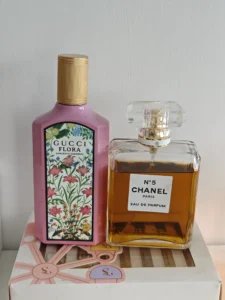
The modern consumer is more educated and resourceful than ever before. We no longer have to blindly accept that luxury quality requires an exorbitant price tag. By understanding the intricate realities of the fragrance supply chain—from the sourcing of aroma chemicals and the utility of analytical lab testing, to the massive overhead costs of designer marketing and retail markups—it becomes crystal clear why high-quality alternatives exist and thrive.
Finding the perfect Gucci Flora dupe is simply a matter of looking past the flashy advertising and focusing on the core elements of perfumery: concentration levels, note transparency, and safety compliance. By applying the knowledge outlined in this guide, you can confidently navigate the US fragrance market, explore reputable, ethical alternative brands, and smell like a million dollars without actually having to spend it.
