

Best Fragrance Lists, Blog, Scent Profiles & Ingredients
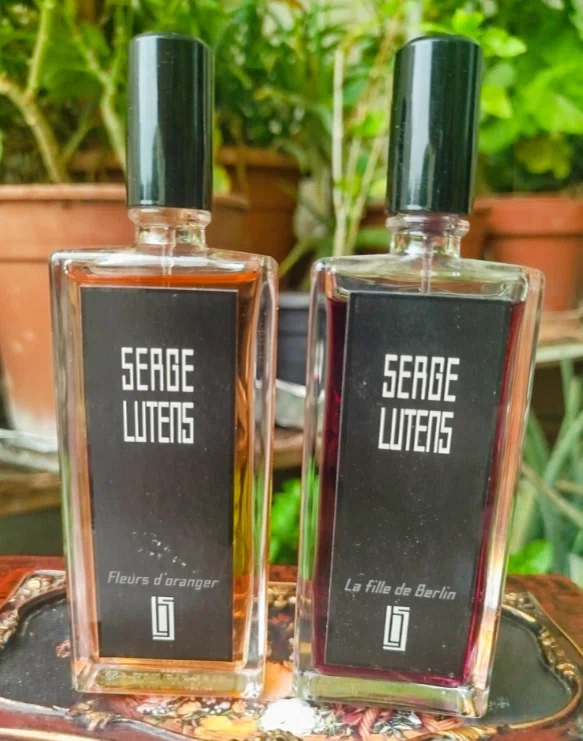
How to Decode the Dark Rose: A Supply Chain Expert’s Guide to La Fille de Berlin Perfume & Finding the Best USA Alternatives
Jul
Transparency & E-E-A-T Disclosure: This guide is authored by a supply chain specialist affiliated with Imixx, a brand with roots in industrial manufacturing equipment that has expanded into factory-direct fragrance engineering. To provide maximum value and maintain editorial integrity, this article evaluates multiple competing brands in the USA market objectively. All economic estimates are based on standard cosmetics industry supply chain structures (referencing generalized data from beauty industry analysts like McKinsey & Company). Scent profile evaluations are based on first-hand empirical testing on both blotter paper and human skin over 24-hour periods.
Introduction: The Changing Landscape of American Fragrance in 2026
The global perfume market has experienced a radical transformation over the last few years. For decades, high-end niche fragrance houses held an absolute monopoly on complex, artistic olfactory narratives. If you wanted to smell like a multi-dimensional piece of art rather than a generic department store body spray, you had to pay a premium. Today, driven by shifting economic realities in the USA, elevated consumer awareness, and digital transparency, alternative fragrances—commonly referred to in the community as “dupes”—have evolved from cheap, synthetic-smelling knockoffs into a highly sophisticated, multi-tier industry.
At the heart of this cultural shift is the intense consumer desire to experience boundary-pushing art without enduring the steep financial barrier of luxury retail markups. One of the most sought-after profiles in this space is the famous Serge Lutens La Fille de Berlin perfume. Known as the ultimate “dark rose,” it commands a high price tag and massive respect.
But what are you actually paying for when you buy a $200+ bottle of perfume? How much of that is the scent, and how much is the glass and the marketing? This comprehensive, 3000+ word guide strips away the romanticized marketing copy of the beauty industry to look objectively at how these complex scents are constructed. We will decode the chemistry, explain the economics, and provide you with a hands-on review of several USA market alternatives—including mainstream clone houses like Dossier, indie extractors like Alexandria Fragrances, and our own factory-direct engineering approach at Imixx.
Our goal is to help you find a high-quality alternative that respects your skin, your olfactory senses, and your wallet.
Part 1: Decoding the Gothic Icon – What Makes La Fille de Berlin Unique?
To understand how to evaluate an alternative fragrance, we must first deeply understand the original target profile. You cannot duplicate what you do not understand. Launched in 2013 and composed by the legendary master perfumer Christopher Sheldrake under the creative direction of Serge Lutens, La Fille de Berlin (The Girl from Berlin) is not a conventional floral scent.
In the global fragrance community, it is widely celebrated as the definitive “gothic rose.” While traditional rose perfumes evoke imagery of fresh spring mornings, soft pink petals, or powdery cosmetics, Sheldrake created something far more dramatic, brooding, and atmospheric. For a detailed breakdown of historical community reviews and evolving impressions of this scent profile, enthusiasts frequently consult historical databases like Fragrantica or community-driven networks like Basenotes.
The Three Phases of the “Thorny” Rose (Olfactory Pyramid)
An authentic niche fragrance is dynamic, meaning it transforms on the skin over several hours. This progression is dictated by the volatility and molecular weight of its ingredients. If an alternative perfume smells exactly the same in minute one as it does in hour four, it is poorly formulated. Here is what the original does:
- The Opening (Top Notes – Minutes 0 to 30): Upon initial application, the wearer is greeted by an intense, heavy, and syrupy sweet crimson rose. In industry terms, this is often called a “jammy” rose. It feels thick, velvety, and almost edible. This is often achieved using high-quality Damascones (rose ketones). This dense sweetness is balanced by a sharp hint of black and pink pepper that tickles the nose and prevents it from smelling like pure candy.
- The Evolution (Heart Notes – 30 Minutes to 4 Hours): As the top notes settle, the fragrance reveals its most famous characteristic: a cold, sharp, metallic edge. Many perfume critics describe this as the scent of a metallic blade, cold iron, or a hint of blood on fresh flower thorns. This striking contrast—hot spice, sweet jam, and cold metal—is the core signature of the fragrance.
- The Dry Down (Base Notes – 4 to 10 Hours): After several hours, the cold metallic structure gently gives way to a comforting, warm, and earthy foundation. It settles into a rich blend of patchouli, clean musk, and an organic honey accord that clings closely to the skin.
This complex balance is what makes the scent profile a masterpiece—and exceptionally difficult for low-budget alternative brands to replicate correctly.
Part 2: The Narrative Asset – Art, History, and Marlene Dietrich
A massive part of what a consumer purchases when buying a luxury niche perfume is the story. The creative visionaries behind luxury brands excel at translating human history and emotion into liquid form. You are not just buying colored water; you are buying an emotional experience.
The inspiration behind La Fille de Berlin is deeply rooted in the historical resilience of the women of Berlin during the grim, freezing winters immediately following World War II. It represents a symbol of vibrant beauty and survival blooming amidst grey concrete ruins and cold, twisted steel. The brand identity heavily references the iconic German-American actress and singer Marlene Dietrich—a personification of fierce independence, striking androgynous fashion (famous for wearing tailored men’s suits), and timeless mystery.
When a US consumer sprays this type of fragrance, they are participating in this theatrical experience. This psychological connection to art explains why the original fragrance commands such high loyalty. Alternative brands can replicate the chemistry, but they cannot legally or ethically steal the original artist’s story. For those interested in how these artistic narratives shape the modern perfume industry, educational foundations like The Perfume Society offer brilliant context on the cultural histories of classic scent profiles.
Part 3: The Economics of High-End Perfumery – Where Does the Money Go?
To evaluate the alternative market with absolute fairness, we must demystify the luxury pricing model. When a consumer in New York, Los Angeles, or Chicago spends $200 on a bottle of niche perfume, it is a common misconception that the liquid inside the bottle costs $200 to produce.
As a supply chain analyst, I can tell you that in the commercial fragrance industry, the cost of the actual concentrate—the essential oils, absolutes, and synthetic isolates—is known as the “juice.” Even in top-tier luxury perfumery, the juice rarely accounts for more than 5% to 10% of the final retail price. The remainder of the retail cost is absorbed by a complex chain of overheads, distribution networks, and marketing strategies.
The Traditional Luxury Retail Breakdown
- Distributor and Broker Fees: Importing niche European fragrances into the US market requires international logistics, air freight, customs brokers, and specialized regional distributors, all of whom add percentage markups to the cost.
- Brick-and-Mortar Retail Margins: High-end department stores and luxury boutiques operating physical spaces in major US cities require substantial profit margins—frequently between 50% and 60% of the retail sticker price. This covers prime real estate rent, beautifully designed counters, theft shrinkage, and trained commission-based sales staff.
- Bespoke Packaging: Custom-molded crystal bottles, heavy magnetic metal caps (often made of Zamak), and textured, artistic presentation boxes add a massive premium to production costs, independent of the scent itself.
- The Prestige Premium: High prices are intentionally maintained by luxury brands to ensure exclusivity. In economic terms, luxury perfumes often function as Veblen goods, where the high price tag itself increases the consumer’s perception of desirability and status.
Table 1: Estimated Industry Cost Structural Analysis (Sourced from General Cosmetic Supply Chain Models)
| Cost Allocation Segment | Traditional Luxury Niche Model ($200 Bottle) | Direct-to-Consumer / Alternative Model ($50 Bottle) |
|---|---|---|
| Aromatic Compound (The Scent Liquid) | 5% – 8% ($10 – $16) | 25% – 35% ($12.50 – $17.50) – Comparable raw material spend |
| Packaging, Cap, & Primary Box | 15% – 20% ($30 – $40) | 15% – 20% ($7.50 – $10) – Standardized, non-custom bottles |
| Global Marketing & Campaigns | 20% – 25% ($40 – $50) | 5% – 10% ($2.50 – $5) – Digital/SEO/Social Media only |
| Wholesale, Retailer Margins, & US Brokerage | 50% – 55% ($100 – $110) | 0% ($0) – Direct Online Shipping to Consumer |
The Takeaway: A $50 alternative perfume is not necessarily using cheaper ingredients than a $200 luxury perfume. By cutting out the retailer markup and the custom packaging, an alternative brand can spend the exact same amount of money on the chemical formulation while passing massive savings to the consumer.
Part 4: Fair & Objective Review of the USA Alternative Marketplace
Because the cost structure of luxury perfume leaves a massive margin gap, the alternative fragrance market has grown rapidly in the United States. However, these brands operate on very different philosophies. To find the best alternative to a complex scent like La Fille de Berlin, consumers should understand the options available today.
Below is an objective evaluation of four different avenues you can take as a US consumer. *Note: Scent perceptions are subjective, but these evaluations are based on empirical testing (spraying on both skin and tester strips and monitoring the evaporation curve over 24 hours).*
Option 1: Budget/Fast Fashion Alternatives (e.g., Zara Rose Gourmand)
Brands like Zara do not make 1:1 clones, but they frequently release fragrances that capture the “vibe” of popular niche scents. Zara Rose Gourmand is often recommended for lovers of sweet, dark roses.
- The Pros: Unbeatable price (often under $30), easily accessible at local malls across the USA, and genuinely pleasant for everyday wear.
- The Cons: It is not a true dupe. It entirely misses the cold, metallic, peppery edge of La Fille de Berlin. It leans heavily into vanilla and sweet amber. Furthermore, due to mass-market budget constraints, the longevity is usually moderate (3-4 hours) before fading to a generic skin scent.
- Best For: The casual consumer on a strict budget who just wants a sweet rose scent and doesn’t care about the gothic, metallic nuances.
Option 2: Mainstream Direct-to-Consumer Clone Houses (e.g., Dossier, Oakcha)
Brands like Dossier (Dossier.co) and Oakcha have become highly popular in the US by openly stating which luxury fragrance inspired their blend, offering them in standardized bottles.
- The Pros: Excellent transparency, clean vegan/cruelty-free marketing, great price points ($30 – $50), and they are highly reliable for replicating mainstream designer scents (like Baccarat Rouge or YSL Black Opium).
- The Cons: Because they scale so massively to meet US demand, their production runs are enormous. When attempting highly complex, avant-garde niche profiles, their formulas can sometimes feel slightly linear. In testing, mass clone houses often struggle to capture the sharp transition from the jammy rose opening to the earthy patchouli base, resulting in a scent that is “90% there” but lacks the 3D depth of the original.
- Best For: Consumers who want a solid, reliable, everyday approximation of the scent in aesthetically pleasing, uniform bottles.
Option 3: Indie/Artisanal Extraction Houses (e.g., Alexandria Fragrances)
These specialized alternative houses cater directly to hardcore fragrance “fragheads.” They frequently release hyper-concentrated Extrait de Parfum versions of incredibly rare or vaulted niche fragrances.
- The Pros: Extreme longevity and powerful projection. They often use high oil concentrations, meaning a single bottle will last a very long time. They do a great job capturing the heavy base notes.
- The Cons: Because they focus heavily on strength and use smaller batch sizes, the initial spray can sometimes feel overly dense, harsh, or unbalanced. They can occasionally overpower a room, making them tough for office wear. Prices are also slightly higher ($50 – $70+ for small bottles).
- Best For: The hardcore perfume enthusiast who prioritizes “beast mode” performance and longevity above all else.
Option 4: Pure Factory-Direct Engineering Brands (e.g., Imixx)
A newer, highly technical approach in the marketplace bypasses traditional marketing structures entirely by shipping straight from specialized fragrance manufacturing facilities directly to the consumer. This is the operational model used by platforms like Imixx.
Rather than operating as a lifestyle brand, this approach relies on laboratory precision. In the creation of Imixx No. 30 (Inspired by La Fille de Berlin), the focus is entirely on utilizing advanced analytical chemistry to map the molecular weight of the target scent.
- The Pros: Exceptional molecular balancing for rare niche profiles. By treating perfumery as an exact science and focusing investment entirely on the liquid, this method successfully captures the difficult metallic/geranium transition in the heart notes. Maceration (aging) is handled at the factory level, ensuring a smooth opening.
- The Cons: Available strictly online. There are no physical retail testing counters in the US, so you cannot smell it before you buy it. The packaging is highly utilitarian and functional, lacking the aesthetic charm of Dossier or the luxury feel of the original.
- Best For: The analytical consumer who cares purely about the accuracy of the complex scent chemistry and is willing to forgo fancy packaging for a scientifically precise replica.
Part 5: The Technical Blueprint – How True Alternatives Are Engineered Safely
To successfully create an alternative to a complex perfume like La Fille de Berlin, a laboratory cannot simply rely on a perfumer’s nose. It requires a meticulous two-step process that blends rigorous organic chemistry with human artistry, all while strictly adhering to global safety protocols.
1. Analytical Chemistry via GC-MS
The foundation of any serious alternative formulation begins with an instrument called a Gas Chromatograph-Mass Spectrometer (GC-MS). When a sample of a target perfume is injected into this machine, the liquid is vaporized and pushed through a microscopic capillary column.
Because different chemical molecules travel at different speeds based on their size and weight, the machine separates every single compound in the perfume. It then provides a precise digital printout—a chemical blueprint—detailing the exact ratio of ingredients. For this specific dark rose profile, the GC-MS highlights the exact interplay between Geraniol (providing the green/minty floral aspect), Rose Oxide (providing the cold, vibrating metallic edge), and heavy fixatives like Patchouli extracts.
2. The Essential Human Component
However, a common industry pitfall is assuming that a GC-MS report is an automatic recipe. The machine merely analyzes the chemical data; it cannot capture the subtle nuances of natural raw materials. Natural rose absolute contains hundreds of individual trace elements that change depending on the soil and weather where the flowers were grown (terroir).
A high-tier alternative brand must employ an experienced specialist to interpret the machine’s data. They carefully select the correct natural isolates and premium synthetics to reconstruct the “soul” of the fragrance, ensuring the cold, metallic edge transitions smoothly into the warm base over time, rather than smelling like a disjointed chemical spill.
3. Strict IFRA Safety Compliance
Whether a perfume costs $20 or $300, product safety is non-negotiable. The skin is your body’s largest organ, and putting unregulated chemicals on it is dangerous. Reputable alternative brands, including mainstream houses and factory-direct brands like Imixx, strictly adhere to the standards established by the International Fragrance Association (IFRA).
Why does this matter for a rose perfume? Natural ingredients like rose oil and oakmoss naturally contain compounds (like Eugenol or specific Rose Ketones) that are known skin sensitizers. IFRA regulations (such as those strictly updated in their 49th, 50th, and 51st Amendments) carefully control the exact maximum percentages of these molecules allowed in a bottle. A reputable alternative brand ensures their formulations provide excellent longevity while remaining completely safe, whereas unregulated black-market counterfeits found on untrusted auction sites should be entirely avoided.
Part 6: The Vital Process of Maceration – Why Time Matters
Have you ever purchased a budget perfume, sprayed it immediately after opening the box, and felt disappointed because it smelled sharply of rubbing alcohol or felt incredibly weak? This common issue is caused by a lack of maceration.
Maceration is the fragrance equivalent of aging a fine wine or letting a complex stew sit overnight so the flavors can develop. When high-quality aromatic fragrance oils are mixed with perfumer’s alcohol (ethanol) and distilled water, the molecules do not bond instantly. They require time to interact chemically.
During a proper maceration period—which in professional manufacturing facilities should last anywhere from four to eight weeks in a dark, temperature-controlled environment—several critical changes happen:
- The harsh, aggressive “hairspray” opening of the alcohol base softens and neutralizes.
- The lighter, volatile top notes (like the peppery rose) form chemical bonds with the heavier, slower-evaporating base notes (like patchouli and musk).
- The entire blend becomes noticeably rounder, smoother, and more cohesive, significantly improving both the longevity and the projection of the scent profile on the skin.
To minimize warehouse storage costs and maximize cash flow, many mass clone factories skip this crucial step, boxing and shipping their perfumes immediately after mixing. They rely on the perfume macerating while sitting on store shelves or during transit. In contrast, premium alternative houses and dedicated factory-direct platforms intentionally build mandatory maceration timelines into their production schedules. This ensures that when the bottle arrives at a consumer’s home in the US, the complex profile is perfectly balanced right from the first spray. If you ever buy a dupe that smells weak, put it in a dark closet for a month and try it again—you will be shocked by the difference.
Part 7: A Consumer’s Guide to Wearability and Regional Climates in the US
A bold, atmospheric scent profile like La Fille de Berlin behaves like a dynamic living entity on your skin. Its performance, projection, and character are heavily influenced by your personal skin chemistry and the regional climate you live in across the United States.
Adapting to US Regional Climates
- The Cold Northeast & Midwest: This scent profile absolute thrives in chilly, crisp weather. The freezing winter air of cities like Boston, Chicago, or New York acts as a beautiful, stabilizing backdrop. The cold allows the icy, metallic geranium heart to pierce through the air elegantly, preventing the rich, sweet, jammy rose top notes from feeling heavy, overly sticky, or overwhelming.
- The Humid South & Southeast: In hot, high-humidity environments like Miami, Houston, or Atlanta, heavy perfumes behave very differently. High humidity accelerates the evaporation of top notes, meaning the fresh, spicy rose phase will pass quickly, rapidly pushing the fragrance into its deep, sticky honey and earthy patchouli base. If you live in these regions, reserve this scent for evening wear, or reduce your application to just one light spray to avoid the scent becoming cloying.
- The Arid West & Southwest: In dry climates like Phoenix, Denver, or Las Vegas, the lack of moisture in the air causes perfume to evaporate much faster across the board, reducing its natural longevity. You will need to prepare your skin to hold the scent.
Practical Tips to Extend Longevity on Dry Skin
Perfume oils require moisture and natural lipids to hold onto; dry skin acts like a sponge, swallowing up the fragrance compounds quickly. If you find that your perfumes vanish within a few hours, try these simple, effective industry techniques:
- Apply a Moisture Barrier: Always apply an unscented, high-quality body lotion or a thin layer of cosmetic petroleum jelly (such as Vaseline) to your pulse points immediately before spraying your perfume. This creates an occlusive barrier that stops your skin from absorbing the fragrance oils, dramatically extending the life of the scent.
- Target Your Warmest Pulse Points: Spray the fragrance where your blood vessels run closest to the skin surface to maximize projection—specifically the sides of the neck (jugular), the inner wrists, and the inner elbows. The body heat helps diffuse the heavy base notes.
- Spray Your Clothing Smartly: Fabric does not experience skin metabolism or sweating, meaning perfume sprayed on clothes lasts significantly longer than on skin. Spraying a light mist onto the inside of your jacket lapel or a wool scarf will keep the beautiful top notes alive for days. *Crucial Tip: Because premium alternatives contain high concentrations of natural oils with deep colors, always spray from at least 8-10 inches away, and avoid spraying directly on white silk or delicate light-colored fabrics to prevent staining.*
Part 8: Comprehensive Fragrance Alternative FAQ
To help US consumers shop with absolute confidence, we have compiled detailed answers to the most common questions regarding the La Fille de Berlin scent profile and navigating the alternative marketplace.
- 1. What does Serge Lutens La Fille de Berlin smell like in simple terms?
- Imagine a rich, sweet, dark red rose mixed with a cool, peppery spice and a unique, sharp metallic edge. As the hours pass, it transitions into a warm, cozy, comforting blend of sweet honey, clean musk, and dark, damp earth.
- 2. Is this dark rose profile suitable for men to wear?
- Absolutely. It is completely unisex and highly androgynous. While mainstream US marketing often associates rose strictly with feminine perfumes, the strong addition of sharp pepper, fresh geranium, and deep patchouli gives this scent a clean, confident, and authoritative edge that smells phenomenal on men. In fact, wearing heavy rose is a staple in Middle Eastern masculine perfumery.
- 3. How long should a high-quality alternative to this perfume last?
- The original luxury Eau de Parfum typically lasts between 6 and 8 hours. A properly formulated, well-macerated alternative that uses *Extrait* or high *Eau de Parfum* concentrations—such as Imixx No. 30 or Alexandria’s extraits—should easily achieve a similar or superior performance, offering 7 to 10 hours of wear depending on your skin type and climate.
- 4. Does the fragrance really smell like blood or metal?
- It does not smell literally like fresh blood. The reference to blood is largely an artistic, poetic concept tied to the story of the post-war women of Berlin (blood on the snow, thorns on the rose). However, the clever use of an aroma compound called Rose Oxide does create a genuinely cold, crisp, metallic sensation that mimics the clean, sharp scent of iron or cold steel, contrasting beautifully with the sweet rose.
- 5. Are there reliable alternatives for La Fille de Berlin available in the US?
- Yes. While cheap drugstore brands often fail to capture the complex metallic transitions, dedicated alternative houses (like Dossier) and factory-direct platforms (like Imixx) focus explicitly on reconstructing the complex chemical architecture of the scent profile safely and accurately.
- 6. How does this scent profile differ from other famous rose perfumes, like Frederic Malle’s Portrait of a Lady?
- They are very different. Portrait of a Lady is a massive, room-filling explosion of very dry Turkish rose mixed with heavy incense and smoky patchouli. La Fille de Berlin is much “juicier,” sweeter (jammy), and relies on a cold metallic spice rather than hot, smoky incense.
- 7. Why do luxury perfumes cost so much money compared to alternatives?
- Luxury pricing is rarely dictated by the cost of the liquid inside. Consumers are primarily paying for expensive bespoke glass bottles, high-end physical store rents in major cities, massive global marketing campaigns, celebrity endorsements, and the intentional prestige premium maintained by luxury brands to ensure exclusivity.
- 8. What is the best season of the year to wear a gothic rose scent?
- Late autumn and winter are the absolute best times to wear it. The cold, crisp air brings out the sharp metallic and spicy facets beautifully, allowing the fragrance to sparkle. Intense summer heat can make the sweet honey and patchouli base notes feel too thick and suffocating.
- 9. Is it safe to buy and use alternative fragrances on my skin?
- Yes, provided you purchase from reputable alternative brands that openly state their compliance with IFRA safety standards. Safe brands carefully regulate potential allergens to protect your skin. Unregulated black-market counterfeits (often sold on untrusted marketplace apps as “real” but heavily discounted) should be entirely avoided, as they may contain banned toxic solvents.
- 10. Why do some cheap clone perfumes smell strongly of rubbing alcohol at first?
- This happens when a manufacturer rushes production to save money, skipping the vital aging step known as maceration. High-quality alternative brands allow their perfume mixtures to age in dark vats for several weeks, ensuring the alcohol opening softens and the scent notes blend together smoothly.
- 11. Can I wear a heavy, complex niche rose perfume to a corporate office?
- Yes, but you must practice careful application. Because these deep scent profiles naturally possess a strong sillage, limit yourself to 1 or 2 sprays underneath your clothing. This ensures the fragrance stays polite, close to your body heat, and does not distract coworkers in enclosed spaces.
- 12. What does the term “Sillage” mean in perfumery?
- Sillage (pronounced *see-yazh*) is a French word that refers to the invisible trail or “wake” of scent left in the air behind a person as they move. Niche rose perfumes generally possess a moderate to strong sillage profile.
- 13. Will a perfume smell exactly the same on me as it does on a friend or on a paper tester strip?
- No. Paper tester strips hold all notes equally and indefinitely. On human skin, your natural pH balance, hydration levels, diet, and even body temperature will alter how a perfume evolves. Earthy and sweet notes tend to amplify on oily skin, while dry skin causes volatile floral notes to fade much faster.
- 14. Can I layer a dark rose perfume with other scents in my collection?
- Yes, the gothic rose profile is highly customizable. If you want to make it softer, warmer, and more universally appealing, try layering it with a clean vanilla fragrance. If you want to make it even more mysterious and intense for an evening out, layer it with a rich leather, amber, or oud fragrance.
- 15. How do I decide which alternative is right for me?
- Assess your priorities. If you want cheap and accessible, try Zara. If you want nice packaging and reliable designer clones, look at Dossier or Oakcha. If you want extreme, room-filling power, look at indie extractors. If you want factory-direct, scientifically balanced accuracy focusing purely on the juice without the marketing fluff, check out the Imixx No. 30 Product Page.
Conclusion: Making Smart, Informed Choices in Modern Perfumery
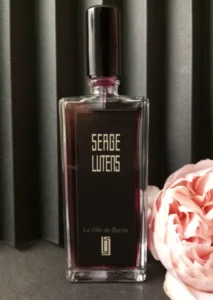
The world of high-end, niche perfumery remains a beautiful, deeply moving form of liquid art. The haunting story of a metallic rose blooming in the freezing ruins of Berlin is a perfect example of how a masterfully composed scent can evoke profound human emotion, memory, and confidence. The original creations of legendary perfume houses will always hold a special, respected place in fragrance history.
However, as modern consumers, understanding the realities of the global supply chain empowers us to make far smarter shopping choices. Knowing that the massive cost of luxury perfume is driven primarily by retail markups, department store placements, custom packaging, and international marketing overheads removes the false stigma around alternative fragrances.
Whether you choose to save up and invest in an original bottle for the beauty of its custom packaging and prestige, choose a highly accessible mainstream clone brand for quick daily use, or choose the precise, molecularly balanced, factory-direct approach of Imixx to maximize your budget—the ultimate goal remains the same. You deserve to find a beautiful scent that brings you joy, matches your personal style, and treats your skin with absolute care, without feeling exploited by luxury price tags.
