

Blog
How to Choose the Best Creed Dupe Perfume in the USA: A Factory Insider’s Guide to Avoiding the “Harsh Opening”
Jul
Executive Summary & The Goal of This Guide
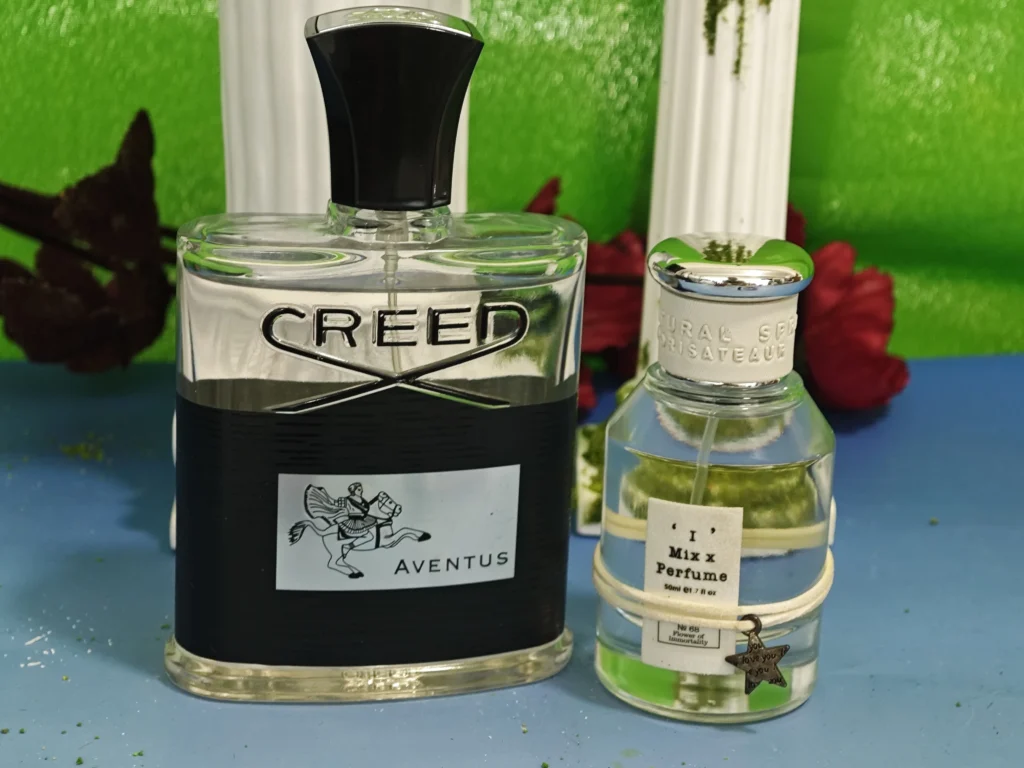
Finding the perfect alternative to luxury fragrances has become a massive movement across the USA. However, the market is currently saturated with cheap clones that suffer from a notoriously harsh, synthetic opening. This comprehensive guide is written from the perspective of fragrance supply chain and manufacturing experts. We aim to demystify the industry, moving past marketing jargon to explain the actual science behind perfume making—including maceration processes, alcohol grades, and raw ingredient sourcing.
In this extensive guide, we will break down why certain batch variations (fruity vs. smoky) exist, reveal the true cost structure of designer fragrances, and most importantly, provide an impartial, methodology-backed comparison of several popular alternatives on the US market (including Armaf, Montblanc, Dossier, Zara, Afnan, and our own factory-direct brand, IMIXX). By understanding the underlying chemistry, you can make a fully informed decision and discover a high-quality fragrance that delivers a flawless olfactory experience without the excessive retail markup.
1. The Fragrance Dilemma: Why the USA is Searching for the Best Creed Dupe
In the world of niche perfumery, few names command the respect—and the exorbitant price tag—of Creed Aventus. Launched in 2010 to celebrate strength, power, and success, it completely redefined modern masculine perfumery. It popularized a brand new fragrance category: the “Fruity Chypre,” utilizing a masterful blend of sparkling pineapple, tart bergamot, and a deeply masculine dry down of birch wood, musk, and oakmoss.
For years, it was the undisputed king of men’s fragrances. However, for consumers in the US and globally, a growing frustration has emerged over the past decade. If you visit enthusiast communities like Basenotes, Fragrantica, or read grooming articles on GQ, the narrative is remarkably consistent.
The core issue stems from regulatory and corporate changes. Due to strict guidelines from the International Fragrance Association (IFRA) regarding potential allergens found in natural ingredients (most notably oakmoss extract and certain citrus oils), alongside corporate acquisitions and subsequent formula tweaks, many long-time wearers have noted a significant decline in the original’s longevity and sillage (the scent trail left behind). When a fragrance costs upwards of $400 to $500 at major US department stores like Nordstrom or Neiman Marcus, but fades within four hours on the skin, the value proposition inevitably crumbles.
This reality has led to an explosion in the search for a reliable creed dupe. But here is the stark reality that we see from the manufacturing side: the market is flooded with varying levels of quality. Some are masterfully crafted, while others are hastily thrown together in unregulated facilities. The goal of this guide is to elevate your understanding from a casual consumer to a fragrance insider.
2. Demystifying the “Harsh Synthetic Opening”: A Scientific & Supply Chain Perspective
If you have ever purchased a highly-rated, budget-friendly Creed Aventus clone online from a discount retailer, you have likely experienced this specific phenomenon: you spray it on your wrist, and for the first 20 to 30 minutes, you are hit with an aggressively sharp, chemical-lemon scent. Some users describe it as smelling like industrial glass cleaner or harsh bug spray. It is only after an hour that the fragrance “settles down” and begins to smell like the luxury scent you desired.
Why do so many Creed clones smell synthetic at the start? The answer lies not just in the aromachemicals used, but in factory-level supply chain economics and production protocols. There are three main culprits responsible for this harshness, and understanding them will change how you buy perfume forever.
A. The Grade of Perfumer’s Alcohol (Ethanol)
Every sprayable perfume is mostly composed of alcohol (typically 70% to 80% by volume), which acts as the carrier for the fragrance oils. High-end perfumery utilizes premium, highly refined Specially Denatured (SD) ethanol, most commonly SDA 40B in the USA. This premium alcohol is filtered extensively to be virtually odorless, allowing the delicate, natural top notes of bergamot and blackcurrant to shine immediately upon spraying.
Mass-market clone houses, working on razor-thin profit margins, often source cheaper, lower-grade ethanol that retains a harsh, astringent, medicinal bite. When you spray these cheaper dupes, it takes significant time for this unrefined alcohol to evaporate off your skin. Until it does, it actively fights against the fragrance oils, ruining the initial olfactory experience.
B. The Absence of Proper Maceration (The Chemistry of Aging)
In traditional, high-quality fragrance manufacturing, mixing the oils and alcohol is only step one. The mixture must then sit in dark, temperature-controlled vats to mature. This process, known in the industry as maceration, can take anywhere from four weeks to several months.
Maceration is essentially the chemical process of esterification. It allows the molecular structures of the essential oils, synthetic aromachemicals, and the alcohol to integrate seamlessly. This process reduces the volatility of the ethanol and rounds out the sharp edges of the ingredients. It is exactly like aging a fine wine or allowing a complex stew to simmer; time creates harmony.
In the budget clone industry, time is money. To keep prices under $30, many mass-production factories skip or severely shorten the maceration process, bottling and shipping the liquid immediately. This results in a disjointed, volatile opening. If you ever buy a cheap fragrance and find it smells much better a year later, you have essentially forced it to macerate in the bottle on your shelf.
C. Synthetic Citrals vs. Natural Citrus Oils
To replicate the famous pineapple and bergamot opening affordably, cheap dupes rely heavily on harsh, inexpensive synthetic citrals (like low-grade Limonene and Linalool) at unbalanced concentrations. While synthetic aromachemicals are absolutely essential in modern perfumery—even in a $400 luxury bottle, materials like Iso E Super and Ambroxan provide stability and projection—the art lies in the sourcing and the blending.
A high-quality creed dupe perfume balances these synthetics with higher-grade natural extracts, such as real Calabrian bergamot oil or high-quality pineapple accords (often built using Allyl Amyl Glycolate), to ensure the citrus is juicy, sweet, and realistic, rather than screechy and piercing. Industry publications like Perfumer & Flavorist frequently highlight the vast difference in olfactory yield between premium captive molecules from houses like Givaudan or Firmenich versus generic commodity synthetics.
3. The Real Cost of Perfume: Supply Chain Transparency
To truly understand why a premium alternative can rival the original, we must look at the economics of the fragrance industry with complete transparency. Consumers are often shocked to learn that the actual “juice” (the scented liquid inside the bottle) usually represents a tiny fraction of the retail price of designer and niche brands.
Industry supply chain analyses have repeatedly shown that luxury pricing in the US is largely based on brand positioning, retail overhead, and marketing, not just ingredient costs. Here is a realistic breakdown of how costs are distributed across different business models.
Table 1: Cost Structure Comparison (Designer vs. Retail Dupe vs. Factory-Direct)
| Cost Component | Traditional Luxury Brand ($350 – $450) | Budget Retail Clone ($25 – $40) | Factory-Direct Model (e.g., IMIXX) ($40 – $60) |
|---|---|---|---|
| Fragrance Oils & Ingredients | $8 – $15 (Premium Naturals & Synthetics) | $1 – $3 (Harsh synthetics, low oil concentration) | $8 – $12 (Premium sourced, Extrait concentration) |
| Bottle, Cap & Packaging | $15 – $25 (Heavy European glass, metal badges, elaborate boxes) | $3 – $5 (Flimsy plastic caps, thin glass, cheap atomizers) | $5 – $8 (Minimalist, functional high-quality glass, sturdy atomizers) |
| Marketing & Real Estate | $100+ (Global ad campaigns, prime retail space, celebrity endorsements) | $5 – $10 (Social media influencers, Amazon PPC ads) | $2 – $5 (Organic SEO, word-of-mouth, direct digital presence) |
| Retail Markup (Middlemen) | $150 – $200+ (US Department stores require 50-60% margins) | $10 – $15 (Discount pharmacies, distributor fees) | $0 (Sold Direct-to-Consumer from the factory) |
By completely eliminating the middlemen, exorbitant department store margins, and marketing bloat, independent factory-direct brands can invest heavily back into the actual formulation. This is how it is economically possible to achieve a best creed dupe without harsh opening at a fraction of the cost—your money goes into the liquid, not the logo.
4. Decoding the DNA: Fruity Batches vs. Smoky Batches Explained
If you want to find the perfect alternative, you must understand “batch variations.” Because the original luxury house historically relied heavily on natural crop yields (like the annual harvest of vanilla in Madagascar or bergamot in Italy), bottles produced in different years—and sometimes even different months—smelled noticeably different from one another.
This inconsistency accidentally created a massive subculture of “batch hunters.” The fanbase is essentially divided into two camps. When searching for your ideal signature scent, understanding which profile you prefer is crucial, as different alternative brands choose different historical batches to mimic in their laboratories.
The Fruity Batch Profile (e.g., Legendary Batches 11Z01, 13ZZ01)
The highly coveted “fruity batches” lean heavily into the top notes. They are characterized by a mouth-watering, juicy, and vibrant pineapple note, supported by sweet blackcurrant and crisp apple. The birch smoke is turned way down, acting only as a faint background hum. These batches feel incredibly fresh, optimistic, and energetic. They are widely considered perfect for warm weather, daytime wear, office environments, and casual outings.
The Smoky/Dark Batch Profile (e.g., Legendary Batches 15Y11, 19U01)
Conversely, the “smoky batches” are darker, heavier, and more mysterious. While a hint of pineapple is present in the opening, it quickly takes a backseat to heavy doses of birch tar, roasted oakmoss, ambergris (or its synthetic counterpart, Ambroxan), and patchouli. This profile is incredibly masculine, projecting a commanding, “executive” aura. It is ideal for evening wear, colder fall and winter weather, and formal events.
Table 2: Which Scent Profile is Right for You?
| Characteristic | The Fruity Clone Profile | The Smoky Dupe Profile |
|---|---|---|
| Dominant Notes | Pineapple, Blackcurrant, Apple, Bergamot | Birch Tar, Oakmoss, Musk, Patchouli |
| Overall Vibe | Fresh, Uplifting, Playful, Invigorating | Dark, Executive, Mysterious, Leathery |
| Best Season | Spring and Summer | Fall and Winter |
| Ideal Occasions | Office, Casual weekends, Daytime dates | Evening events, Business meetings, Night out |
5. Testing Methodology: How We Evaluate Fragrances
To ensure this guide provides genuine value rather than just marketing rhetoric, our evaluations are based on a structured methodology. While scent is inherently subjective, performance and chemical composition are not.
- Olfactory Profiling: Assessing the top, heart, and base notes against known historical batches of the original fragrance.
- Longevity Wear Tests: Fragrances are tested on both fragrance testing strips (blotters) in a controlled environment and on human skin (various pH levels) across an 8-hour US workday.
- Opening Smoothness: A critical evaluation of the first 15 minutes post-spray to determine the quality of the ethanol used and the presence of adequate maceration.
- Value to Cost Ratio: Analyzing the retail price against the perceived quality of the ingredients and packaging.
6. An Honest, Impartial Review of the Best Alternatives on the US Market
Because no two noses are the same, the “best” fragrance is entirely subjective. To help you navigate the crowded market, we have analyzed several of the most popular alternatives available to US consumers today. We look at their scent profiles, their strengths, and their undeniable weaknesses objectively.
1. Armaf Club de Nuit Intense Man (CDNIM)
The Profile: Extremely smoky and woody (mimicking the darker 2015 batches).
The Pros: Manufactured in the UAE, Armaf’s CDNIM is famous globally for its “beast mode” performance. In our wear tests, it routinely lasts upwards of 9+ hours and projects massively. The dry-down (after the 2-hour mark) is remarkably close to the highly sought-after smoky batches of the original.
The Cons: It is infamous for its intensely harsh opening. The first 30 minutes are dominated by an aggressive, synthetic lemon note that many users find off-putting. It lacks refinement at the start, indicating rushed maceration and cheaper citrals.
2. Montblanc Explorer
The Profile: Modern, mass-appealing, woody-aromatic.
The Pros: Backed by a major designer house (Montblanc) and crafted by master perfumers at Givaudan, Explorer is incredibly smooth from the very first spray. It utilizes high-quality Bergamot and a beautiful, earthy Vetiver base. It is widely available to test in US department stores like Macy’s and is incredibly safe for the office.
The Cons: It is not a true 1:1 clone. It lacks the signature pineapple note entirely, replacing it with bergamot and pink pepper. It also suffers from average longevity; we recorded 4-6 hours on most skin types before it becomes a faint skin scent.
3. Afnan Supremacy Silver
The Profile: Balanced, leaning toward the fruity, bright batches.
The Pros: Another UAE powerhouse, Afnan offers a significantly smoother opening than Armaf. The pineapple note is much more prominent and realistic. It captures the bright, uplifting nature of the older fruity batches very well and is priced very competitively in the US market.
The Cons: The dry-down can feel a bit linear and powdery compared to the rich, deep oakmoss base of the original. Longevity is good (6-7 hours), but it does not project as aggressively as CDNIM.
4. Zara Vibrant Leather
The Profile: Ultra-fresh, bamboo, and bergamot.
The Pros: Zara’s Vibrant Leather is exceptionally affordable (often under $35) and incredibly accessible in the US. It has a beautiful, sparkling, effervescent opening that captures the bright essence perfectly without smelling cheap or synthetic.
The Cons: The performance is notoriously poor. Because it is formulated as a light Eau de Toilette with very few heavy fixatives, our tests showed it often becomes undetectable within 2 to 3 hours. It requires constant reapplication.
5. Dossier Musky Oakmoss
The Profile: Safe, clean, and balanced.
The Pros: Dossier has built a strong reputation in the USA by providing clean, vegan, and cruelty-free alternatives. Musky Oakmoss offers a very pleasant, rounded take on the DNA. The presentation is nice, with magnetic caps and a clean, minimalist aesthetic.
The Cons: While highly pleasant, some fragrance enthusiasts feel it lacks the raw “edge” and depth of the original’s base notes, feeling almost too sanitized. The performance is strictly moderate, placing it firmly in the middle of the pack.
6. IMIXX Creed Dupe Perfume (Factory-Direct)
The Profile: The meticulously balanced hybrid (Fruity opening, woody Extrait dry-down).
The Pros: At IMIXX, we engineered our alternative specifically to solve the “harsh opening” problem prevalent in budget clones. By utilizing premium SDA 40B perfumer’s alcohol and strictly enforcing a 6-week maceration period in our facility, the initial blast of pineapple and bergamot is smooth and photorealistic immediately. Furthermore, formulated at a high Extrait de Parfum concentration (higher fragrance oil ratio than standard EDPs), our wear tests demonstrate excellent longevity (often exceeding 8 hours) without relying on screechy, headache-inducing synthetics. You can explore the exact formulation philosophy at our product page.
The Cons: Transparency is key: Because we operate on a direct-to-consumer factory model to keep prices low, our fragrances cannot be tested in physical US department stores prior to purchase. You must rely on online ordering, which we recognize requires a leap of faith for first-time buyers.
7. Beyond the Bottle: Pro Tips for Maximizing Scent Performance
Having a high-quality fragrance is only half the equation; knowing how to wear it dictates how it performs. As fragrance professionals, here is our practical advice on getting the most out of your scent, regardless of which brand you choose to buy.
Understanding Olfactory Fatigue (Nose Blindness)
This specific fragrance DNA is notorious for causing olfactory fatigue, also known as anosmia. Because it contains heavy doses of large molecules like Ambroxan and potent musks, your brain quickly registers the scent as “safe background noise” and tunes it out to focus on new environmental smells. You might think your perfume has disappeared after two hours, but people five feet away can still smell you clearly.
Pro Tip: Avoid spraying directly on the front of your neck, right under your nose. Instead, spray the back of your neck, your wrists, and your inner elbows. You will catch beautiful wafts of the scent throughout the day without overwhelming your own olfactory receptors.
Skin Chemistry, pH, and Hydration
Fragrance oils need moisture to cling to. If you have dry skin, your body will absorb the essential oils rapidly, killing the longevity of the perfume, regardless of whether it cost $50 or $500. Additionally, highly acidic skin can alter how top notes project.
Pro Tip: Always apply an unscented body lotion or a carrier oil (like jojoba or sweet almond oil) to your pulse points after a warm shower, right before applying your fragrance. This creates a lipid primer layer that locks the scent to your skin, significantly extending its life.
The Art of Fragrance Layering
The Aventus profile is incredibly versatile and serves as an excellent base for fragrance layering. If you want to make your creed aventus clone fruity batch even more summery for a US beach vacation, try layering it over a simple, linear coconut or marine fragrance. If you want to push it into deeper, winter territory, layer it with a touch of pure vanilla extract or a dry cedarwood scent.
8. Frequently Asked Questions (FAQ)
What is considered the absolute closest clone to Creed Aventus in the USA?
The “closest” clone is highly subjective because it depends entirely on which historical batch of the original you are comparing it to. For a pure smoky vibe, Armaf CDNIM is highly rated by the community. For a smooth, mass-appealing take, Montblanc Explorer is excellent. For a balanced, high-quality experience without the harsh synthetic opening, factory-direct brands like IMIXX offer an incredibly refined, properly macerated alternative.
How do I know if my cologne needs to macerate?
If you purchase a fragrance (especially a budget brand) and it smells excessively like rubbing alcohol, sharp chemicals, or bug spray in the first 5 minutes, it likely needs maceration. To do this at home, spray the bottle 5 to 10 times to clear the atomizer tube and introduce oxygen into the bottle. Put the cap back on, and leave it in a cool, dark drawer for 4 to 6 weeks. The scent profile will often smooth out and deepen significantly.
Which Creed Aventus clone lasts the longest?
Longevity is dictated by fragrance oil concentration and the quality of base note fixatives. Formulations categorized as Eau de Parfum (EDP) or Extrait de Parfum will inherently last longer than Eau de Toilette (EDT) versions. Therefore, brands formulating at Extrait levels (like IMIXX or high-end Middle Eastern clones) will typically offer the best longevity, often outlasting modern, diluted designer batches.
Can you wear Aventus clones in professional office settings?
Absolutely. The core DNA of this fragrance is often described as the ultimate “executive scent.” It projects confidence, cleanliness, and professionalism. However, to maintain that professional aura in an American office environment, ensure you choose a high-quality best creed dupe without harsh opening, and moderate your sprays (1-2 sprays maximum) to avoid overwhelming your colleagues in enclosed spaces.
Does perfume expire or go bad over time?
Properly stored perfume does not “expire” in the traditional sense, but it can degrade chemically. Heat, UV light, and severe temperature fluctuations are the enemies of fragrance. If kept in a cool, dark place (like a closet or a bedroom drawer, not a hot, humid bathroom), a high-quality fragrance containing alcohol can last for 5 to 10 years. In fact, as mentioned in our maceration section, some complex woody and resinous fragrances can actually smell richer and smoother as they age.
9. Conclusion: Elevate Your Scent Wardrobe Intelligently
Navigating the fragrance market in the USA doesn’t have to mean choosing between spending a car payment on a single luxury bottle or settling for a cheap, chemical-smelling knockoff. By understanding the supply chain economics, the critical scientific importance of maceration, and the chemistry behind scent profiles, you now possess the knowledge of an industry insider.
You deserve a fragrance that respects your skin and your senses—one that opens smoothly, evolves beautifully throughout the day, and lasts from your morning commute to your evening dinner. Do not settle for the harsh openings of rushed budget clones, and do not feel pressured to fall for the inflated price tags of legacy marketing campaigns and department store markups.
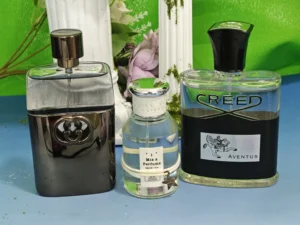
Whether you choose the widely accessible Montblanc Explorer, the budget-friendly Zara, the powerhouse Armaf, or seek the ultimate balanced performance from a factory-direct source, make your choice based on ingredient quality and your preferred scent profile, not just the brand name. If you are looking for a meticulously crafted, fully macerated option that balances the legendary fruity and smoky notes with Extrait-level performance, we invite you to explore the Creed Dupe Perfume collection at IMIXX, and discover how true olfactory luxury feels when you strip away the middleman.
