

Blog, Designer Dupe Reviews, Fragrance Science & Education
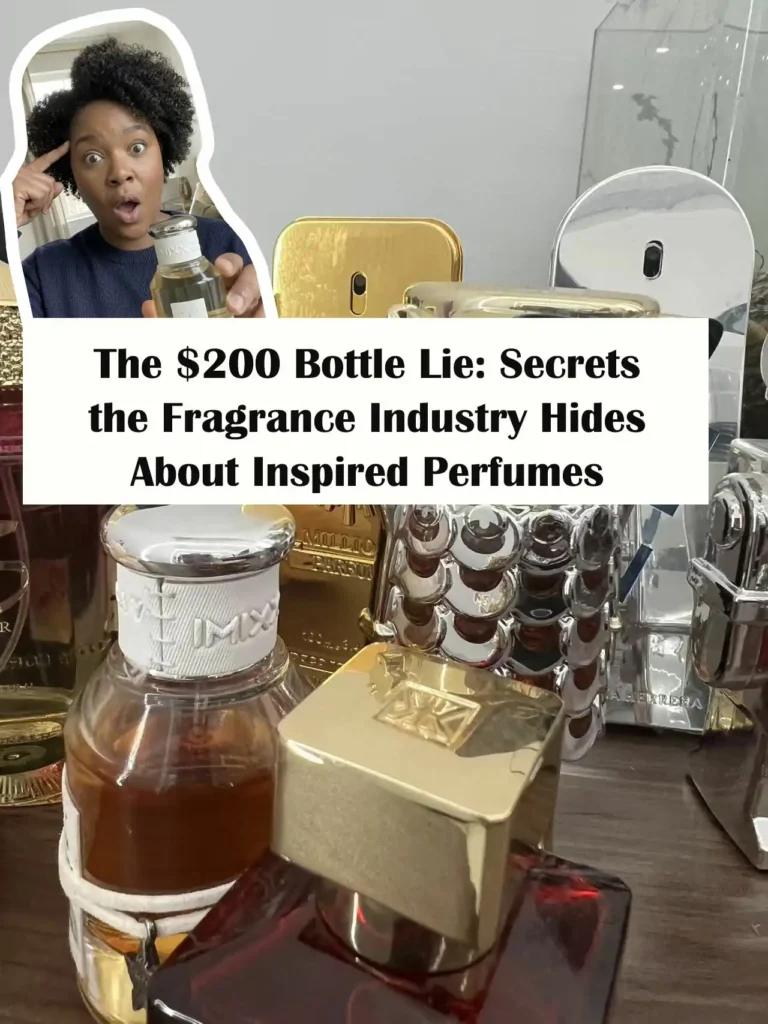
The $200 Bottle Lie: Secrets the Fragrance Industry Hides About Inspired Perfumes
Mar
By Linus Dacke Thall | Supply Chain & Fragrance Industry Observer
Executive Summary: Navigating the Modern Scent Landscape
For decades, the global fragrance industry has operated behind a veil of mystique, convincing consumers in the USA and worldwide that a higher price tag inherently guarantees a superior olfactory experience. This comprehensive guide aims to demystify the traditional luxury perfume business model for the everyday consumer. By examining the fundamental science of scent replication, the economic realities of luxury supply chains, and the strict safety regulations governing aromachemicals, we provide a balanced, transparent look at the rise of inspired perfumes.
We will explore how independent fragrance houses utilize Gas Chromatography-Mass Spectrometry (GC-MS), the critical importance of proper maceration, and how consumers can distinguish between low-quality knockoffs and premium, IFRA-compliant alternatives. Ultimately, this article serves as a consumer empowerment tool, demonstrating that you can enjoy high-quality, long-lasting fragrances from various reputable brands—including indie houses, fast-fashion giants, and specialized producers like IMIXX—without paying the exorbitant “brand tax.”
Introduction: The Illusion of the Glass Pedestal in the US Market
Walk into any high-end department store in New York, Los Angeles, or Chicago, and you are immediately enveloped in a meticulously engineered atmosphere of exclusivity. The gleaming glass counters, the pristine, heavy packaging, and the intimidating price tags—often exceeding $200, $300, or even $500 for a mere 50ml bottle—are all designed to communicate one single concept: unreachable luxury.
But what exactly are you paying for when you hand your credit card to the associate? As someone who has observed the laboratories, manufacturing floors, and supply chains of the global fragrance industry, I can share an open secret: what you are primarily paying for is rarely the scented liquid inside the bottle. You are paying for an illusion, a lifestyle projection, and a massive marketing apparatus.
Recently, there has been a massive shift in consumer behavior in the United States. Driven by inflation and a desire for transparency, shoppers are increasingly turning to inspired perfumes (often searched as high-quality perfume dupes, designer fragrance alternatives, or clone fragrances). This is not just a passing TikTok trend; it is a structural market correction. People are realizing that fragrance is, at its core, a combination of organic chemistry and art, neither of which requires a $300 entry fee.
However, the world of inspired fragrances is vast and varied. It ranges from cheap, harsh-smelling sprays found in drugstores to sophisticated, highly concentrated Extraits crafted by independent perfumers. In this guide, we will break down the science, the economics, and the safety standards of the industry, empowering you to make smart, value-driven decisions for your personal fragrance wardrobe.
Secret #1: Dissecting the Price Tag (The “Brand Tax” Reality)
To understand the true value of an inspired perfume, we must first look at the traditional luxury business model. In the manufacturing sector, we refer to the actual scented liquid—the blend of essential oils, aromachemicals, and perfumer’s alcohol—as the “juice.” The stark economic reality, widely acknowledged by business analysts and industry insiders, is that the juice is often the least expensive component of a traditional designer perfume.
When a heritage luxury house launches a new pillar fragrance (think of major releases from Chanel, Dior, or Tom Ford), the budget is heavily skewed toward customer acquisition and prestige building. Millions of dollars are allocated to secure A-list Hollywood actors for global television campaigns. The bottle design might be commissioned from a renowned artist, requiring custom molds that cost hundreds of thousands of dollars to produce. Furthermore, brick-and-mortar department stores in the USA typically demand a 40% to 60% wholesale margin just to place the product on their shelves.
Below is an illustrative breakdown of how costs are typically distributed in the fragrance industry. While specific margins vary by brand, these estimates reflect widely understood supply chain dynamics.
Table 1: Illustrative Cost Breakdown: Traditional Luxury vs. Direct-to-Consumer Inspired Perfume
*(Estimates based on general industry supply chain metrics and direct-to-consumer business models. Actual costs vary by specific brand and scale).*
| Cost Component | Traditional Luxury Brand (Estimated $250 Retail) | DTC Inspired Perfume Brand (Estimated $40 – $50 Retail) |
|---|---|---|
| The “Juice” (Raw Oils & Alcohol) | ~2% – 5% ($5.00 – $12.50) | ~20% – 30% ($8.00 – $15.00) |
| Packaging (Custom Bottles, Boxes) | ~10% – 15% ($25.00 – $37.50) | ~15% – 20% ($6.00 – $10.00) (Standardized bottles) |
| Marketing & Celebrity Endorsements | ~20% – 30% ($50.00 – $75.00) | ~10% – 15% ($4.00 – $7.50) (Social media driven) |
| Retailer Margin (Department Stores) | ~40% – 50% ($100.00 – $125.00) | 0% (Sold directly online to consumer) |
| Brand Profit / Operating Costs | The Remainder | The Remainder |
This table highlights a crucial point: an independent, direct-to-consumer (DTC) fragrance house can actually afford to spend the same amount, or sometimes more, on the raw fragrance ingredients per bottle than a massive designer brand. By cutting out the middleman (the department store) and skipping the celebrity commercials, inspired brands redirect the budget back into the product itself. You are no longer paying a “brand tax.”
Secret #2: The Science of Scent Engineering (GC-MS Analysis)
A persistent myth propagated by luxury marketing is that their scents are magical, irreplicable potions created from secret flowers found only on a single mountain in France. While natural terroir does matter, modern perfumery is fundamentally rooted in organic chemistry.
How does a company create an inspired perfume that smells remarkably similar to an expensive original? The process relies heavily on an analytical chemistry technique called Gas Chromatography-Mass Spectrometry (GC-MS). This technology is not exclusive to fragrance; it is widely used in forensics, medicine, and food science (you can learn more about the principles of this technology from educational resources like the American Chemical Society).
How GC-MS Works in Perfumery
When a sample of a target luxury fragrance is placed into a GC-MS machine, the liquid is vaporized and pushed through a long, microscopic column. The machine separates the complex mixture into its individual molecular components based on their chemical properties. The mass spectrometer then identifies these molecules—pinpointing the exact synthetic aromachemicals (like Iso E Super or Ambroxan) and identifying the markers of natural essential oils.
The machine generates a chromatogram, which acts as a highly detailed chemical blueprint. However, it is vital to understand that a GC-MS readout is not a magic “copy-paste” button. It has limitations:
- Captive Molecules: Giant fragrance conglomerates sometimes invent proprietary, patented molecules (called “captives”) that the machine might not perfectly identify.
- Natural Variations: If a designer uses a specific batch of Jasmine from Grasse, a GC-MS machine will show the chemical makeup of Jasmine, but matching that exact natural nuance requires a human nose.
This is where the true skill of an inspired perfume house comes in. A trained perfumer must take the GC-MS blueprint and use their experience to reconstruct the scent. They source high-quality alternatives for captive molecules and balance the naturals. It is a meticulous process of reverse engineering combined with traditional olfactory artistry. The result is a fragrance that is structurally sound and, to the average human nose, incredibly close to the original inspiration.
Secret #3: Concentration, Maceration, and Why Your Perfume Fades
If you search Google for fragrance advice, one of the most common questions is: “Why doesn’t my perfume last long?” The longevity of a fragrance (how long it stays on your skin) and its sillage (the scent trail it leaves in the air) are governed by two major factors: the concentration of the fragrance oil and the aging process known as maceration.
The Truth About Oil Concentration
Many popular designer fragrances sold in the US are formulated as an Eau de Toilette (EDT). This means they contain a relatively low percentage of actual fragrance oil (usually 5% to 15%), diluted in a large amount of alcohol and water. Designer brands often release a more expensive Eau de Parfum (EDP) version later to capitalize on the desire for stronger scents.
Because premium inspired brands do not have massive overhead costs, they can afford to drastically increase the oil concentration. Many reputable alternative houses formulate their scents at the Extrait de Parfum level, containing 20% to 40% pure fragrance oil. This naturally leads to a richer scent profile and significantly longer wear time on the skin, often surpassing the longevity of the original designer EDT.
The Critical Process of Maceration
Have you ever purchased a cheap knockoff perfume and been overwhelmed by a harsh, rubbing-alcohol smell for the first ten minutes? That is the hallmark of a perfume that has not been properly macerated.
Maceration is essentially the aging and stabilization process of a perfume. When raw fragrance oils are mixed with perfumer’s alcohol, they do not immediately blend perfectly. In a professional production environment, the mixture must be stored in temperature-controlled, dark vats for several weeks (typically 4 to 8 weeks). During this time, the volatile alcohol molecules soften, and complex chemical reactions (such as the formation of Schiff bases) occur, allowing the top, heart, and base notes to harmonize.
Mass-market commercial brands, under immense pressure to meet quarterly retail demands, sometimes rush this process. Conversely, dedicated inspired perfume houses that control their own smaller supply chains often prioritize full maceration. This patience ensures that from the very first spray, the consumer experiences a smooth, rounded, and luxurious scent profile without the aggressive “alcohol blast.”
Secret #4: The Legal and Safety Landscape of Alternative Scents
A common hurdle for consumers considering inspired perfumes is the stigma associated with the word “fake.” It is crucial to draw a firm legal, ethical, and safety line between illegal counterfeits and legitimate inspired brands.
The Legal Difference: Copyrighting a Smell
Under US copyright law and international intellectual property standards, you cannot patent or copyright a scent itself. A smell is considered a functional sensory experience, much like a recipe for a cake. What is protected by law are the brand name, the logo, the specific packaging design, and the marketing materials.
- Illegal Counterfeits (Fakes): These products attempt to deceive the consumer. They use the exact same bottle shape, forge the trademarked logo (e.g., stamping “Chanel” on the box), and are typically sold on the black market or dubious third-party websites. They are illegal and often produced in unregulated environments.
- Inspired Perfumes (Dupes/Clones): These are completely legal, standalone businesses. They use their own distinct brand names, their own unique bottle designs, and transparently state that their product is “inspired by” or “comparable to” a famous scent profile. They do not claim to be the designer brand; they simply offer a similar olfactory vibe.
Safety First: IFRA Compliance
Are inspired perfumes safe for your skin? The answer is a resounding yes, provided you buy from a legitimate company. The global fragrance industry is highly regulated regarding consumer safety. The primary governing body is the International Fragrance Association (IFRA), which works alongside research institutes to set strict limits on the usage of potentially allergenic or harmful aromachemicals.
Reputable inspired fragrance brands source their raw materials from the same major global supply houses (such as Givaudan, Firmenich, or IFF) that supply the luxury designer brands. These materials come with safety data sheets and must adhere to IFRA standards. Whether a brand sells a $30 bottle or a $300 bottle, if they are a legitimate registered business, they must comply with these safety thresholds to operate legally in markets like the USA and the EU. (Consumers interested in ingredient safety can review guidelines directly at the IFRA official website).
The Broad Market of Alternatives: Finding Where You Fit
To be completely fair and objective, it is important to recognize that the “alternative fragrance” market has several tiers. Understanding this landscape will help you set the right expectations.
Tier 1: Fast Fashion & High Street
Brands like Zara have revolutionized the entry-level fragrance market. They frequently collaborate with renowned master perfumers (like Jo Malone CBE) to create highly affordable, trendy scents that clearly nod to popular designer DNA. Pros: Extremely accessible, incredibly cheap ($20-$30), great for beginners. Cons: They are usually Eau de Toilette concentration, meaning longevity is often quite poor (lasting only 2-3 hours), and the scent profiles can sometimes feel a bit linear.
Tier 2: The Mid-Range Online Dupe Houses
Companies like Oakcha, Perfume Parlour (UK), and several others have built massive online followings by focusing strictly on replicating popular niche and designer scents. Pros: Good accuracy, affordable price points, wide variety of choices. Cons: Quality can sometimes vary between batches, and some brands rely on standardized, inexpensive packaging that lacks a premium feel.
Tier 3: The Premium “Extrait” Alternative Houses
This is where brands that prioritize heavy oil concentrations and meticulous maceration sit. These brands act as a bridge between high-end laboratory practices and the consumer. They focus on recreating the scent, but often elevate the longevity by formulating at Extrait de Parfum levels. The goal here isn’t just to be “cheap,” but to provide a genuinely luxurious wear experience that rivals or beats the original.
It is within this premium tier that we position IMIXX. Our philosophy is rooted in the belief that consumers deserve absolute transparency. By bypassing traditional retail models, we invest heavily in sourcing top-tier aromachemicals and natural isolates. We don’t rush our maceration process, ensuring that every bottle of IMIXX perfume delivers a smooth, complex, and incredibly long-lasting scent profile. We invite you to explore the craftsmanship behind our collection. Discover our commitment to pure quality at the IMIXX Official Website, or browse our extensive range of high-performance alternatives at Shop All Premium Dupe Perfumes at IMIXX.
How to Shop for Inspired Perfumes Like an Expert
If you are ready to ditch the brand tax and explore the world of fragrance alternatives, here is a quick guide on how to evaluate a brand:
- Look for Concentration Levels: Does the brand specify if it is an EDT, EDP, or Extrait? Premium houses will proudly state their high oil concentrations.
- Check for IFRA Compliance: Look for mentions of IFRA compliance, cruelty-free practices, and vegan formulations on their FAQ or About Us pages.
- Read Independent Reviews: Look beyond the brand’s own website. Check platforms like Reddit (e.g., r/fragranceclones), YouTube, or fragrance forums to see what real users say about longevity and accuracy.
- Understand Skin Chemistry: Remember that a perfume will smell slightly different on your skin than it does on a tester strip. Factors like your skin’s pH, hydration levels, and even your diet can alter how top notes and base notes project.
Comprehensive FAQ: Everything You Need to Know About Inspired Fragrances
To assist consumers in navigating this evolving landscape, we have compiled detailed answers to the most frequently asked questions surrounding fragrance alternatives.
An inspired perfume (also known as a clone, dupe, or alternative fragrance) is a meticulously formulated scent designed to evoke the exact same olfactory profile—the specific progression of top, heart, and base notes—as a well-known, high-priced designer or niche fragrance, but sold under an independent brand name at a fraction of the cost.
Fakes are counterfeit goods that illegally copy a brand’s logo, bottle design, and trademark to deceive the buyer. Inspired perfumes are 100% legal entities. They use their own unique branding, their own bottles, and clearly communicate that they are an independent homage to a famous scent. They rely on the quality of their own formula, not on tricking you into thinking you bought a Chanel or Tom Ford bottle.
This is usually due to a lack of proper maceration. If a company mixes the fragrance oil with alcohol and ships it immediately to meet high demand, the harsh alcohol notes have not had time to settle and bind with the oils. A high-quality brand will age (macerate) their perfumes for several weeks before bottling. If you receive a bottle that smells like alcohol, let it sit in a cool, dark drawer for two weeks—a process the fragrance community calls “maturation”—and the scent will dramatically improve.
In many cases, they can last longer. Because inspired brands save on marketing and packaging, premium houses (like IMIXX and others in the Extrait tier) formulate their scents with 20% to 30% fragrance oil. Many designer originals are only Eau de Toilette (5%-15% oil). A higher oil concentration generally equates to better longevity on the skin, often lasting 8 to 12 hours.
Yes, provided you purchase from a reputable, established brand. Legitimate inspired perfume houses source their aromachemicals and natural extracts from major global suppliers and adhere strictly to the safety guidelines set by the International Fragrance Association (IFRA). These regulations ensure the materials used are safe for cosmetic application and are heavily tested against allergens.
No, it is not perfect. While GC-MS is an incredible analytical tool that provides a near-perfect blueprint of the chemical compounds, it struggles to identify certain proprietary “captive” molecules created by mega-corporations. Furthermore, it cannot account for the exact geographical origin of natural ingredients (e.g., telling the difference between Haitian Vetiver and Javanese Vetiver). Human perfumers are still required to interpret the data and perfect the blend.
Scientifically, a 100.00% match is nearly impossible due to variations in natural crop yields year over year (even the original designer brand will smell slightly different from a batch made in 2018 versus 2023). However, high-quality alternatives achieve a 95% to 99% accuracy rate. To the human nose passing by in the air (the sillage), they are virtually indistinguishable.
The vast majority of modern inspired perfumes are vegan and cruelty-free. The fragrance industry as a whole has largely moved away from animal-derived ingredients (like real musk from deer or ambergris from whales) for ethical and consistency reasons. Modern perfumery uses highly advanced, safe, and ethical synthetic compounds to recreate these notes flawlessly without harming animals.
Absolutely. Your diet, skin pH level, body temperature, and natural lipid (oil) levels interact with the fragrance molecules. This is why a perfume might smell incredibly sweet on your friend but slightly woody on you. This applies equally to $300 designer fragrances and $40 inspired perfumes.
Heat, light, and humidity are the enemies of fragrance. Never store your perfumes on a windowsill or in a steamy bathroom. The best place to keep your fragrances, whether designer or inspired, is in their original boxes inside a cool, dark drawer or closet. Proper storage can keep a fragrance smelling pristine for many years.
Conclusion: Becoming a Scent-Savvy Shopper
The aura of exclusivity surrounding luxury fragrance is, by design, intoxicating. However, as consumers become more educated regarding supply chains, analytical chemistry, and retail markups, the traditional model is losing its absolute grip on the market. You no longer need to spend upwards of $200 to experience complex, beautifully blended, and long-lasting scents.
Whether you choose to explore the fast-fashion offerings of Zara, experiment with various online indie dupe houses, or invest in the high-concentration Extrait formulations crafted by IMIXX, the power is now in your hands. By understanding that you are paying for the “juice” and not just the glass bottle, you can build a diverse, high-quality fragrance wardrobe that respects both your olfactory senses and your financial realities. Smell expensive, but shop smart.
