

Blog, Designer Dupe Reviews
How to Find the Best Cologne Dupes in the USA: A Master Perfumer’s Guide to Supply Chain Secrets & Luxury Scents on a Budget
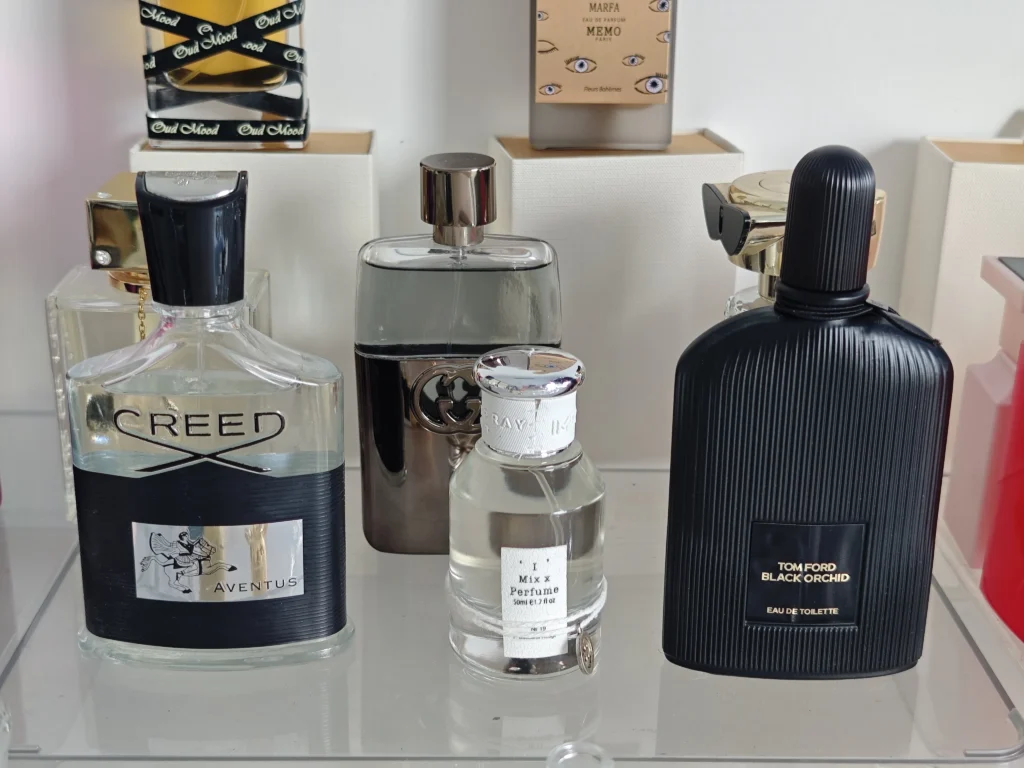
May
Executive Summary: Unlocking the Science and Economics of Scent
In this comprehensive, consumer-friendly guide, we strip away the marketing illusions of the luxury fragrance industry to reveal how high-quality cologne dupes are formulated and why they are taking the US market by storm. Here is what you will learn:
- The Supply Chain Truth: Discover why you are often paying up to an 80-90% markup on designer fragrances for marketing, packaging, and celebrity endorsements, rather than the actual liquid inside.
- Lab-Grade Reverse Engineering: Understand how techniques like Gas Chromatography-Mass Spectrometry (GC-MS) allow chemists to recreate complex scent profiles safely and accurately.
- Dupes vs. Fakes: Learn the critical legal, ethical, and dermatological differences between a dangerous counterfeit and a safe, IFRA-compliant designer-inspired cologne.
- Brand Neutral Comparisons: An objective look at top players in the alternative fragrance space, including Zara, Dossier, ALT Fragrances, and IMIXX.
- Maximizing Longevity: Practical, scientifically-backed tips on maceration, perfume oil concentrations (EDP vs. Extrait), and application techniques to make your fragrance last all day.
The US Fragrance Market Revolution: Why Everyone is Searching for “Cologne Dupes”
If you have scrolled through FragranceTok or browsed Reddit’s highly active fragrance communities in the USA recently, you have likely noticed a massive shift in consumer behavior. The search for the best cologne dupes and cheap cologne that smells expensive has skyrocketed over the past few years. But as someone who has spent years inside the laboratories and procurement offices where these scents are born, I can tell you that this is not just a fleeting social media trend. It is a fundamental awakening of the American consumer.
For decades, traditional luxury houses—ranging from the timeless elegance of Chanel and Dior to the niche prestige of Creed, Le Labo, Maison Francis Kurkdjian, and Tom Ford—have heavily guarded the gates of high perfumery. They created an aura of exclusivity, convincing us that a $300 or even $500 price tag was the absolute baseline for olfactory excellence. However, having managed the procurement of raw materials and having seen the invoices for massive vats of synthetic Ambroxan and natural essential oils, I know firsthand that the liquid inside the bottle rarely justifies the exorbitant retail cost.
Today, economic pressures and a demand for brand transparency have changed the landscape. Consumers want to smell amazing for their daily commute, gym sessions, and evening dates, but they no longer want to ration their expensive bottles. They want the freedom of daily wear. This article is not a sales pitch; it is a deconstruction of the fragrance industry designed for the everyday consumer. By understanding the basic chemistry, the supply chain economics, and the strict safety regulations involved, you will learn exactly how to spot high-quality perfume dupes, avoid toxic counterfeits, and elevate your everyday scent wardrobe while protecting your wallet.
What Exactly is a Cologne Dupe? (Dupes vs. Fakes vs. Clones)
Before we dive into the fascinating chemistry of scent making, we must clarify the terminology. The internet is full of confusing jargon. One of the most frequently asked questions I see is: Are perfume dupes legal? followed closely by Are perfume dupes safe for the skin? To answer this, we must draw a hard, definitive line between a “Dupe” (an inspired expression) and a “Counterfeit” (a fake).
The Anatomy of a Counterfeit (The Illegal “Knockoff”)
Counterfeits are 100% illegal. They are explicitly designed to deceive you, the consumer. A counterfeit will copy the exact logo, the trademarked bottle shape, the specific font, and the name of designer brands like Versace, YSL, or Gucci. More alarmingly, fakes are almost always produced in unregulated, underground facilities.
From a supply chain perspective, counterfeiters cut every possible corner. They often use cheap, low-grade industrial alcohol (sometimes even containing methanol) and unregulated synthetic musks that can cause severe contact dermatitis, respiratory issues, or allergic reactions. They completely ignore the safety standards set by the International Fragrance Association (IFRA). If you see a bottle of “Tom Ford Oud Wood” selling for $25 on a sketchy marketplace with the exact Tom Ford label, it is a dangerous fake. Avoid it at all costs.
The Science and Ethics of a True “Dupe” (Designer-Inspired Perfume)
A legitimate cologne dupe, on the other hand, is an homage. It is entirely legal. In the United States and most of the world, scent molecules and olfactory profiles themselves cannot be copyrighted—only the branding, logos, bottle designs, and specific names are protected by intellectual property laws. A high-quality dupe brand operates transparently.
These brands use their own unique branding, minimalist bottles, and distinct naming conventions. They will often state clearly that their scent is “inspired by” or “our impression of” a famous fragrance. Reputable alternative brands source the exact same tier of aroma-chemicals and natural absolutes used by niche houses, but they blend them in clean, regulated facilities under strict IFRA safety guidelines. Their goal is to capture the “vibe,” the top notes, and the crucial dry-down of the original, ensuring it is safe, often vegan, and cruelty-free.
Why Are Designer Fragrances So Expensive Anyway? A Supply Chain Breakdown
To truly appreciate the value of the best luxury perfume dupes for men and women, you have to look behind the curtain at the traditional retail supply chain. When you purchase a bottle of designer fragrance at a major US department store like Macy’s, Sephora, or Nordstrom, you are paying what industry insiders call a “brand tax.”
Here is the reality of fragrance manufacturing: The actual aromatic compounds—the essential oils, absolutes, and high-tech synthetics like Iso E Super, Ethyl Maltol, or Hedione—only account for a small fraction of the final retail cost. The rest of your money is absorbed by aggressive marketing campaigns, A-list celebrity endorsements (which can cost millions), heavy custom glass bottle manufacturing (often shipped from specific glassmakers in Europe), licensing fees, and massive retail markups.
Many designer perfumes are not even made by the fashion houses themselves. They are formulated and produced by giant conglomerate fragrance houses (like Givaudan, Firmenich, or IFF) and distributed by massive corporations (like Coty or L’Oréal) who license the designer’s name. Every middleman takes a cut.
Table 1: Estimated Industry Cost Breakdown (Designer vs. Direct-to-Consumer Dupe)
Note: These are industry-average estimates meant to illustrate supply chain economics, as specific brand formulas remain closely guarded trade secrets.
| Cost Component | Traditional Luxury Perfume ($250 – $300 Retail) | Quality Direct-to-Consumer Dupe ($30 – $50 Retail) |
|---|---|---|
| Fragrance Oil & Raw Materials (The “Juice”) | $5.00 – $15.00 (Often EDT or standard EDP concentration) | $6.00 – $14.00 (Often higher EDP or Extrait concentration) |
| Bottle, Cap, Atomizer & Packaging | $15.00 – $30.00 (Custom molds, magnetic caps, heavy glass) | $3.00 – $7.00 (Standardized, elegant minimalist glass) |
| Marketing, TV Ads & Celebrity Endorsements | $50.00 – $80.00+ | $2.00 – $5.00 (Mostly targeted social media ads) |
| Brand Licensing & Royalties | $20.00 – $40.00 | $0.00 (Independent, owned brand) |
| Retailer Markup (Wholesale to Retail Store) | $100.00 – $150.00+ (Stores take 40-60% of retail price) | $0.00 (Sold directly online to the consumer) |
By bypassing the traditional retail maze and standardizing bottle designs, direct-to-consumer (DTC) alternative brands can afford to invest heavily in the quality of the fragrance oil itself. This results in long-lasting cologne dupes that rival or even surpass the originals in longevity and projection, simply because they can afford to use higher concentrations of the core ingredients.
The Science of a Perfect Match: How Scents are Reverse-Engineered
How does an alternative brand actually create a scent that smells nearly identical to a niche masterpiece like Maison Francis Kurkdjian’s Baccarat Rouge 540 or a powerhouse like Dior Sauvage? It is not done by simply sniffing a bottle, mixing random oils, and hoping for the best. It requires serious analytical chemistry and trained “noses.”
Gas Chromatography-Mass Spectrometry (GC-MS) Explained for Everyday Consumers
In professional fragrance labs, chemists utilize a highly advanced piece of equipment called a Gas Chromatograph-Mass Spectrometer (GC-MS). Think of it as a high-tech scanner for smells. The machine takes a tiny liquid sample of a target fragrance, vaporizes it into a gas, and pushes it through a long, microscopic tube. As the gas travels, the machine separates every single chemical compound based on its molecular weight and properties.
It then generates a complex graph (a chromatogram) that acts as a structural blueprint or a recipe of the perfume. We can see exactly how much Linalool (a molecule that gives a fresh, floral, slightly spicy note often found in lavender), Coumarin (a sweet, hay-like note derived from tonka beans), or synthetic Oud is present in the mixture.
The Human Element: The Art of the Perfumer
However, a GC-MS machine is only the first step. It gives you the ingredients, but not necessarily the exact method of cooking. Furthermore, many high-end designer houses use “captives”—these are patented, proprietary scent molecules developed by giant labs that no one else is legally allowed to use for a certain number of years.
When a captive molecule is present, the GC-MS will identify it, but a dupe brand cannot buy it. This is where the true art of the master perfumer comes in. The perfumer must creatively blend a combination of other available, high-grade raw materials to perfectly mimic that specific olfactory illusion. They have to match the exact “vibe.” This is why we say that creating the best cologne dupes is an art form as much as a science.
The Crucial Role of Maceration (Aging the Perfume)
One of the biggest secrets in the industry—and the reason why some cheap dupes smell like harsh rubbing alcohol—is a process called Maceration. When raw fragrance oils are mixed with perfumer’s alcohol (the carrier liquid), they do not instantly become a smooth perfume. They need time to bind chemically.
Think of it like making a large pot of chili or a complex stew. It always tastes better the next day because the flavors have had time to meld together. Traditional houses let their giant vats of perfume sit in temperature-controlled environments for weeks or even months before bottling. Many ultra-cheap, low-quality dupe brands skip this step entirely to rush products to market. Reputable alternative brands, however, insist on proper maceration protocols. This ensures that the delicate top notes seamlessly transition into the heart notes, and ultimately settle into a rich, deep base.
The Core Ingredients: Understanding Synthetics vs. Naturals
A common misconception among consumers is that “natural equals good” and “synthetic equals bad.” In modern perfumery, this could not be further from the truth. In fact, without synthetic molecules, modern perfumery would not exist.
- Naturals: These are essential oils and absolutes extracted from real plants, flowers, and resins (e.g., Rose absolute, Patchouli oil, Bergamot extract). They bring immense depth, richness, and complexity to a fragrance because a single natural oil can contain hundreds of different molecules. However, they are expensive, crop-dependent (weather can ruin a harvest), and have shorter shelf lives.
- Synthetics: These are molecules created in a lab. Synthetics are crucial because they provide stability, longevity, and entirely new scent profiles that don’t exist in nature (like the smell of rain on concrete, or the modern “clean laundry” musk).
- Ambroxan: A synthetic replacement for natural ambergris (which comes from sperm whales). It provides a woody, ambery, slightly salty skin-like scent that makes fragrances last for days.
- Iso E Super: A legendary molecule that smells like abstract cedarwood and acts as a velvety, invisible aura that enhances other notes.
The best luxury perfume dupes use a masterful blend of both. They use high-quality synthetics to provide the “skeleton” and longevity of the fragrance, and naturals to provide the beautiful, complex “flesh.”
Top Alternative Brands: A Fair Market Comparison
The US market is currently flooded with alternative fragrance brands. Because finding the right fit can be overwhelming, it is vital to look at the market objectively. Different brands have different philosophies. Some focus on exact 1:1 chemical cloning, some focus on eco-friendly packaging, and others focus on maximizing oil concentration for extreme longevity.
Here is an objective breakdown of several highly respected players in the “dupe” space to help you make an informed choice based on your specific needs.
Table 2: Comparing the Top Designer-Inspired Fragrance Brands in the USA
| Brand Name | Core Philosophy & Strengths | Best For… | Average Price Point |
|---|---|---|---|
| Dossier | Highly transparent marketing. They list exactly which designer scent they are inspired by directly on the bottle, along with the key notes. Made in France, vegan, and cruelty-free. Excellent return policy. | Consumers looking for clean aesthetics, transparency, and a risk-free trial period. Great for everyday light wear. | $29 – $49 |
| Zara Fragrances | A massive fashion retailer that often collaborates with master perfumers (like Jo Malone) to create highly affordable, trendy scents that heavily “borrow” from popular niche vibes. | Teens, college students, or anyone on a strict budget who wants to smell modern. Note: Longevity is often a weak point (usually EDT). | $15 – $35 |
| ALT. Fragrances | One of the early pioneers of the modern dupe movement in the USA. They offer a massive catalog of clones, focusing heavily on matching the exact top-note opening of famous luxury scents. | People who want a massive variety of choices and are looking for 1-to-1 matches of popular Instagram/TikTok hype fragrances. | $39 – $59 |
| IMIXX | Focuses heavily on the laboratory aspect, maceration, and high oil concentrations (Extrait de Parfum). Their philosophy is rooted in creating a deeper, longer-lasting dry down rather than just mimicking the first 5 minutes of a scent. | Consumers who prioritize extreme longevity, high-quality base notes, and a more robust, mature scent profile over flashy packaging. | $35 – $50 |
| Oakcha | Known for their Extrait de Parfum concentrations. They focus on rich, heavy hitter fragrances (like Ouds and deep ambers) and use distinct, colorful heavy glass bottles. | Lovers of strong, “beast mode” fragrances that leave a heavy scent trail (sillage) all day long. | $40 – $50 |
The Most Popular Scent Profiles & Where to Find Them
Now that you know the brands, let’s explore the actual scent profiles. Whether you are looking for the best unisex perfume dupes for everyday wear or a commanding signature scent for the boardroom, building your luxury scent wardrobe on a budget is easier than ever. Here is how alternative brands approach recreating the vibes of the most sought-after US fragrance trends.
1. The “Baccarat” Vibe (Sweet, Airy, Resinous, Cotton Candy)
Inspired by: Maison Francis Kurkdjian Baccarat Rouge 540
The Chemistry: This profile is famous for its transparency. It relies heavily on a massive dose of Ambroxan, combined with synthetic saffron, jasmine, and fir resin. It smells like burnt sugar and cedarwood, but it sits lightly on the skin while leaving a massive scent trail.
Where to look: Dossier’s “Ambery Saffron” provides a great, clean everyday version. ALT Fragrances’ “Crystal No. 23” is extremely popular. If you want a version that focuses on a richer, more concentrated resinous dry-down that lasts through a shower, explore the Amber/Resin collection at the IMIXX Shop.
2. The “Aventus” Vibe (Fruity, Smoky, Confident Woody)
Inspired by: Creed Aventus
The Chemistry: The ultimate modern masculine profile. It opens with a bright burst of pineapple and Calabrian bergamot, then dries down into a smoky, leathery base of birch tar, oakmoss, and ambergris. The challenge for dupes is balancing the fruity top with the smoky base.
Where to look: Zara’s “Vibrant Leather” is an amazing, highly affordable alternative for the fresh opening, though it lacks the smoky longevity. For a longer-lasting, balanced approach that captures both the fruit and the smoke, look into dedicated dupe houses like Oakcha or IMIXX’s woody-citrus blends.
3. The “Santal” Vibe (Woody, Powdery, Leathery, Clean)
Inspired by: Le Labo Santal 33
The Chemistry: The signature scent of boutique hotels and metropolitan cities like New York and Los Angeles. It uses a massive amount of Australian sandalwood, papyrus, cardamom, and violet. To some, it smells like a dry, luxurious lumberyard; to others, a clean leather jacket.
Where to look: Dossier’s “Woody Sandalwood” is an incredibly accurate, gentle interpretation perfect for the office. IMIXX offers alternatives that round out the sometimes harsh “pickle juice” note that some people experience with sandalwood, creating a creamier finish.
4. The “Oud Wood” Vibe (Exotic, Dark, Mysterious, Spicy)
Inspired by: Tom Ford Oud Wood
The Chemistry: Perfect for evening wear and colder weather. It utilizes synthetic Agarwood (Oud), Brazilian rosewood, cardamom, and vetiver. It is warm, mysterious, and sophisticated without being overpowering or overly “skanky” (a term used for animalic ouds).
Where to look: Because real natural Oud is staggeringly expensive (often more than gold), all dupes use synthetic replacers. ALT Fragrances and IMIXX both offer fantastic, lab-synthesized Oud profiles that offer the exact exotic warmth without the astronomical $300+ cost.
Pro Tips: How to Make Any Affordable Cologne Last All Day
A common complaint with cheaper fragrances is that they vanish after two hours. However, even the highest quality Extrait de Parfum needs a little help to achieve maximum longevity. From a scientific perspective, fragrance molecules evaporate based on body heat and skin hydration. Here is how to lock in your scent, a technique known in the fragrance community as “layering” or optimizing skin chemistry.
Table 3: The Science of Fragrance Application
| Application Technique | The Scientific Reason Why It Works |
|---|---|
| Moisturize Before Spraying | Fragrance oils evaporate incredibly fast on dry skin. By applying an unscented body lotion, Vaseline, or carrier oil (like jojoba oil) immediately after a shower, you create a lipid barrier. The fragrance molecules bind to the oils in the lotion, drastically slowing down evaporation. |
| Target Pulse Points | Spray on the wrists, inner elbows, sides of the neck, and behind the ears. These areas have blood vessels close to the skin, acting as mini-radiators. The gentle heat helps to continuously push the fragrance molecules into the air (sillage) throughout the day. |
| Never Rub Your Wrists Together | This is the most common mistake. Rubbing generates localized friction and heat that literally “crushes” and burns off the delicate top notes (like citrus, mint, and light florals), forcing the fragrance to skip straight to the dry down. Simply spray and let it air dry naturally. |
| Spray on Clothing (With Caution) | While you must be careful with white clothing (as dark oils can stain), spraying a high-quality dupe on natural fibers like wool, cotton, or a scarf can make the base notes (like vanilla, cedar, or musk) last for days. Fabric does not generate heat to burn off oils like skin does. |
Seasonal Fragrance Guide: How to Wear Dupes Year-Round in the US
Understanding when to wear a specific scent is just as important as knowing how to buy it. Temperature and humidity dramatically alter how a fragrance performs. Since you are saving money by buying affordable dupes, you now have the budget to build a complete, seasonal “scent wardrobe.”
- Spring & Summer (High Heat/Humidity): Heat causes fragrance alcohol to evaporate rapidly, making scents project loudly. Heavy, sweet, or woody scents can become cloying and offensive in the summer heat. Stick to “Freshies”—citrus (bergamot, lemon), aquatic (sea salt, marine notes), and light florals (neroli, jasmine). Look for dupes of scents like Dolce & Gabbana Light Blue or Acqua di Gio.
- Fall & Winter (Cold/Dry Air): Cold air suppresses fragrance. Light citrus scents will vanish in minutes in freezing temperatures. This is the time to bring out the heavy hitters—gourmands (vanilla, coffee, chocolate), rich woods (oud, cedar), warm spices (cinnamon, cardamom), and leather. Look for dupes of scents like Tom Ford Tobacco Vanille or By Kilian Angels’ Share.
- The “Dumb Reach” (Year-Round/Office Safe): Everyone needs a versatile, everyday scent that works in any weather and won’t choke out your coworkers. These are usually “Blue” fragrances or clean musks. Look for dupes of Bleu de Chanel or Prada L’Homme.
Frequently Asked Questions (FAQ) About Cologne Dupes
As a fragrance educator and supply chain professional, I receive countless questions from consumers looking to make the switch from expensive designer brands. Here are detailed, honest answers to the most common inquiries regarding the world of designer-inspired perfumes.
Q1: What exactly are cologne dupes, and how do they differ from the originals?
A: Cologne dupes are alternative fragrances formulated to mimic the overall scent profile (the top, heart, and base notes) of expensive designer perfumes. They differ primarily in branding, bottle design, and marketing. While the specific proprietary chemical formulas are trade secrets of the original brands, competent chemists use similar aroma-chemicals to achieve a 90-95% identical olfactory experience at a fraction of the cost.
Q2: Are perfume dupes safe for the skin? How do I know?
A: High-quality perfume dupes from reputable, established brands (like Dossier, Oakcha, ALT, and IMIXX) are absolutely safe. They are crafted in regulated manufacturing facilities and adhere to the guidelines set by the International Fragrance Association (IFRA). IFRA dictates safe usage levels for both natural allergens (like oakmoss or citrus oils) and synthetic molecules. Always buy from transparent companies, and avoid unbranded “fakes” sold on street corners or unregulated overseas websites.
Q3: How long do cologne dupes last? Do dupes last as long as designer perfumes?
A: This is the biggest surprise for many consumers: Quality dupes often last longer than the designer originals. Designer fragrances sold in department stores are frequently diluted to Eau de Toilette (EDT) or standard Eau de Parfum (EDP) concentrations (around 10-15% pure perfume oil). Because alternative brands save money on marketing and packaging, they often formulate their scents at higher EDP or Extrait de Parfum levels (20-30%+ oil concentration), ensuring massive projection and an all-day dry down.
Q4: What makes a fragrance a true dupe and not an exact copy?
A: A true dupe captures the “soul” or the specific aesthetic of the original without stealing proprietary data. Because some major designer brands use patented “captive” molecules that nobody else can buy, independent lab chemists must creatively blend available high-grade synthetics and naturals to recreate the exact same smell. It is a meticulous reconstruction and interpretation, much like a talented musician performing an incredible cover of a famous song.
Q5: Can men and women both wear dupes? Are there unisex options?
A: Absolutely. The modern fragrance landscape in the USA has largely moved past strict gender labels. Fragrance is simply scented liquid; it does not have a gender. Scents heavy in woods, musks, ambers, and clean citruses react uniquely to individual skin chemistry. The best unisex perfume dupes for everyday wear are those that balance floral or fruity hearts with robust, woody, or musky bases. Brands like Le Labo and Maison Francis Kurkdjian champion this unisex approach, and their dupes follow suit.
Q6: Should I choose EDT or EDP for a dupe?
A: For maximum value and longevity, generally lean toward EDP (Eau de Parfum) or Extrait de Parfum. An EDT (Eau de Toilette) has a higher alcohol content; it projects loudly and freshly for the first hour but often fades quickly. An EDP has a higher oil concentration, meaning it sits slightly closer to the skin but lasts significantly longer throughout the day. Almost all premium dupe brands focus on EDP or Extrait formulations.
Q7: What should I avoid when purchasing perfume dupes?
A: Avoid brands that lack transparency. If a website does not list its concentration levels, does not mention safety standards (like vegan, cruelty-free, or IFRA compliance), has poorly translated English, or uses bottles that look exactly like the designer’s trademarked bottles, run the other way. You want a brand that is proud of its own formulation process and stands by the quality of its independent branding.
Q8: Do perfume dupes smell exactly the same from opening to dry down?
A: Often, the top notes (the first 5 minutes) might differ slightly by about 5-10%. This is because designer brands spend heavily on highly volatile, expensive citrus top notes to hook you instantly at the department store counter. However, high-quality dupes focus their budget on the heart and base notes (the dry down). After 15 minutes on the skin, a well-made dupe becomes virtually indistinguishable from the original to 99% of people.
Q9: Are perfume dupes cheaper because they use toxic ingredients?
A: No. As explained in the supply chain breakdown, they are cheaper because they strip out the massive costs of marketing, celebrity endorsements, custom heavy glass, and retail middlemen. Reputable dupe brands purchase their raw aroma-chemicals from the exact same global suppliers (like Givaudan or Symrise) that the luxury brands use.
Q10: Why are designer inspired perfumes so much cheaper?
A: To summarize the core thesis of this article: You are paying for the juice, not the marketing. A $300 bottle of luxury perfume may only contain $10 worth of actual fragrance oil. Alternative brands operate on a direct-to-consumer model, meaning they can sell you that same $10 worth of high-quality oil for $40 and still make a healthy, sustainable profit, while you save $260.
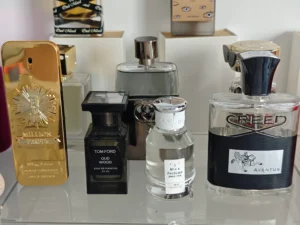
Conclusion: Elevate Your Everyday Scent Journey
The era of blindly paying hundreds of dollars for a designer logo etched into a glass bottle is ending. Armed with an understanding of fragrance chemistry, supply chain economics, and the reality of modern manufacturing, you are now equipped to make informed, highly educated decisions about your personal scent profile.
Whether you are stepping into a corporate boardroom in Chicago, heading to a casual weekend brunch in Austin, or simply looking for a reliable, long-lasting signature scent for the home office, high-quality designer-inspired colognes offer the ultimate solution. You get the opulent, multi-layered olfactory experience of the world’s most prestigious perfume houses, meticulously engineered for performance, without the absurd retail markup.
The best approach is to explore. Check out the clean transparency of Dossier, the accessible trends of Zara, the vast catalog of ALT, and the highly concentrated, lab-focused extraits available at the IMIXX Shop. By diversifying your sources and trusting your nose rather than a brand name, you can build a truly magnificent, long-lasting luxury fragrance wardrobe on a sensible budget.
Disclaimer: This article is for educational purposes. “Inspired by” and alternative fragrances mentioned are independent products and are not affiliated with, endorsed by, or connected to the original designer brands. Mentions of specific designer names are strictly for comparative and descriptive purposes. To learn more about fragrance standards, visit the International Fragrance Association or explore community reviews on platforms like Fragrantica.
