

Best Fragrance Lists, Blog, Designer Dupe Reviews, Fragrance Science & Education
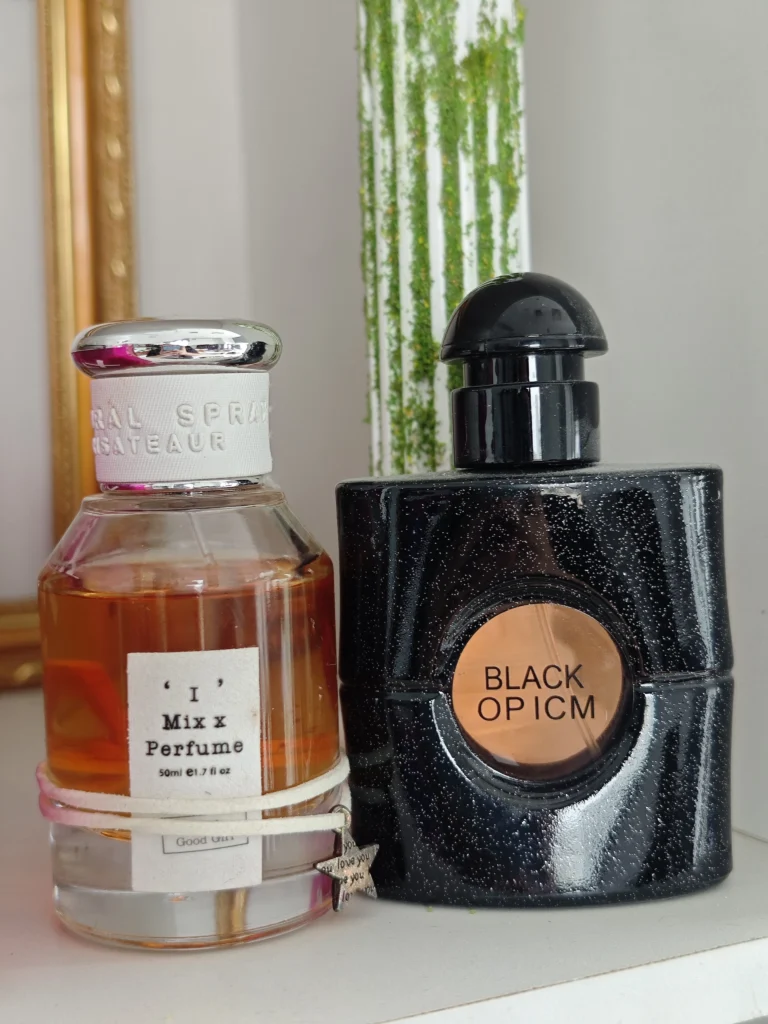
How to Decode the Perfume Supply Chain: Finding the Ultimate YSL Black Opium Dupe in the USA
Mar
Executive Summary & Educational Disclaimer
Finding a reliable YSL Black Opium dupe in the USA can feel like navigating a minefield of overhyped TikTok reviews and disappointing blind buys. You might wander the aisles of Zara, browse Target’s beauty section, or scroll through endless online catalogs, constantly wondering if a $30 or $40 bottle can truly replace a $150+ designer masterpiece.
Disclaimer: This article is designed as an educational resource. While I serve as a Supply Chain Director and am affiliated with the factory-direct brand IMIXX, the goal of this guide is to provide an unbiased, scientifically grounded look at the fragrance industry. We will utilize estimated industry-standard economic models and publicly available chemical principles to explain how perfumes are made, priced, and replicated.
In this comprehensive guide, we step away from traditional marketing pitches to take you behind the scenes of global fragrance manufacturing. By breaking down the chemistry of coffee and vanilla notes, explaining laboratory processes like Gas Chromatography-Mass Spectrometry (GC-MS) and maceration, and honestly comparing top US market contenders—including Zara, Dossier, Fine’ry, Oakcha, and our own IMIXX—this guide empowers you to make an educated choice. Whether you want an affordable nighttime fragrance for women or simply wish to understand the economics of scent, you will leave this page thinking like an industry insider.
Introduction: The Grand Illusion of the Fragrance Counter
Imagine walking into a high-end department store in New York, Chicago, or Los Angeles. The lighting is meticulously designed to make the heavy glass bottles sparkle. A sharply dressed associate hands you a beautifully embossed blotter card freshly sprayed with Yves Saint Laurent’s Black Opium. The scent hits you instantly—an intoxicating, seductive rush of dark roasted coffee, sweet vanilla, and delicate white florals. It is undeniably gorgeous. Then, you glance at the price tag: upwards of $150 for a standard 3.0 oz Eau de Parfum.
For decades, the USA fragrance market has conditioned consumers to equate exorbitant prices with superior quality. We are taught a narrative: if a perfume doesn’t cost a small fortune, it must be crafted from “cheap,” synthetic, or even unsafe ingredients. But as someone who has spent over a decade managing fragrance manufacturing, supply chain logistics, and laboratory sourcing, I can assure you this is one of the most successful marketing illusions in modern retail.
The reality of the cosmetic and fragrance industry is vastly different from what is presented at the retail counter. The actual liquid inside that glamorous glass bottle—what industry professionals refer to as the “juice” (the blend of essential oils, aromachemicals, and perfumer’s alcohol)—typically accounts for a mere fraction of what you pay at the register. When you buy a traditional luxury fragrance, the bulk of your money is funding massive celebrity billboard campaigns, extravagant packaging design, complex international distribution networks, and the steep retail markups required to keep brick-and-mortar department stores profitable.
Today, we are going to completely demystify this process. We will explore the fascinating science of scent replication, objectively review the most popular YSL Black Opium alternatives available to US consumers, and teach you how to identify a truly long-lasting designer perfume dupe without falling for empty marketing hype. Welcome to the supply chain.
Section 1: The Anatomy of a Masterpiece – Decoding the Notes of Black Opium
Before we can fairly evaluate any alternative or “dupe,” we must deeply understand the original architecture. What makes YSL Black Opium such a monumental cultural phenomenon? Launched in 2014 and crafted by master perfumers Nathalie Lorson, Marie Salamagne, Olivier Cresp, and Honorine Blanc, it revolutionized the “Gourmand Floriental” (edible, floral, and oriental) category.
It is a masterclass in olfactory contrasts: marrying the bitter, wake-up edge of caffeine with the comforting, sensual sweetness of dessert, all perfectly balanced by elegant, luminous florals. Let’s break down the fragrance pyramid—the three distinct layers of scent that unfold over time—in terms that make sense outside of a chemistry lab.
The Top Notes: The Vibrant Fifteen-Minute Hook
When you first spray a perfume, the top notes are what hit your olfactory receptors immediately. These are constructed from highly volatile (easily evaporated) molecules designed to grab your attention, make a strong first impression, and secure the sale at the retail counter. In Black Opium, this opening is a dynamic blend of Pear Accord, Pink Pepper, and Orange Blossom.
- The Science Behind It: Fragrance chemists often utilize synthetic esters, such as Hexyl Acetate, to recreate that crisp, juicy, mouth-watering pear effect, as extracting natural pear oil is practically impossible. The pink pepper adds a fizzy, slightly spicy, and terpenic lift that feels energetic. This opening is vibrant, but by design, it is fleeting. It will typically evaporate within 15 to 30 minutes, seamlessly paving the way for the core identity of the fragrance.
The Heart Notes: The Dark Core Identity
As the top notes fade into the background, the heart (or middle) notes emerge. This phase represents the true personality and theme of the perfume. Here, we find the famous, addictive Black Coffee accord, elegantly paired with Jasmine Sambac and a subtle touch of Bitter Almond.
- The Science Behind It: Capturing the authentic scent of roasted coffee in a liquid spray is notoriously difficult in perfumery. Natural coffee essential oils often turn sour or smell “burnt” when mixed with ethanol and left to sit on human skin. To solve this, perfumers use highly specialized molecules called Pyrazines (which provide roasted, toasted, and nutty aromas) blended carefully with specific floral extracts. The inclusion of Jasmine Sambac is the stroke of genius here. Jasmine contains Indole, a naturally occurring compound that adds a rich, fleshy, almost animalic depth. This prevents the coffee note from smelling like a literal Starbucks café, elevating it instead to a sophisticated, wearable floral-coffee hybrid.
The Base Notes: The Lingering, Seductive Memory
The base notes consist of heavy, slow-evaporating molecules that anchor the fragrance. These are the notes that stay on your skin and embed themselves into your clothes for hours, or even days. This final stage is known as the “dry-down.” For Black Opium, the base is heavily dominated by Vanilla, Patchouli, and Cedarwood.
- The Science Behind It: Modern luxury perfumery rarely relies solely on standard, natural baking vanilla (Vanilla Planifolia), as it can be inconsistent and prohibitively expensive. Instead, high-end formulations often utilize Ethyl Vanillin, a synthetic molecule that is significantly sweeter, richer, and more potent. When this rich vanilla is combined with a highly purified, fractionated Patchouli (often referred to as “Patchouli Coeur,” which strips away the “muddy” or “hippie” characteristics to leave only a clean, sleek, woody earthiness), it creates that addictive, sexy warmth. This combination is precisely what solidifies Black Opium as the ultimate nighttime fragrance for women.
To learn more about how fragrance pyramids are structured and to read community reviews, independent databases like the Basenotes Fragrance Directory or Fragrantica are excellent resources for exploring detailed scent profiles.
Section 2: The Laboratory Reality – How High-Quality “Dupes” Are Actually Made
A prevalent misconception among US consumers is that affordable perfumes or “dupes” are just cheap, potentially unsafe oils haphazardly mixed in unregulated facilities until they “sort of” smell like the original. While this might be true for counterfeit products sold at flea markets (which you should always avoid due to safety concerns), high-quality, factory-produced alternatives use the exact same technology and safety protocols as the major luxury houses.
Let’s dive into the actual manufacturing supply chain to understand how a high-end alternative is born.
1. The Secret Weapon: Gas Chromatography-Mass Spectrometry (GC-MS)
The foundation of accurately reverse-engineering a complex scent profile is a sophisticated analytical process called Gas Chromatography-Mass Spectrometry (GC-MS). Think of this machine as a highly advanced, molecular recipe scanner.
When a legitimate fragrance laboratory wants to understand a target designer fragrance, they inject a tiny sample of the liquid into the GC-MS machine. The machine vaporizes the liquid and separates every single molecule based on its molecular weight and polarity. The resulting data chart (a chromatogram) tells the analytical chemist exactly which raw materials are in the bottle and in what precise percentages. (For a deeper dive into this technology, you can review educational materials provided by the American Chemical Society).
However, the GC-MS machine only gives you the puzzle pieces; it doesn’t build the puzzle for you. Sometimes, designer brands use “captive molecules”—patented, proprietary synthetic ingredients created by massive fragrance conglomerates (like Givaudan, Firmenich, or IFF) that no one else is legally allowed to use. This is where the true skill of a Master Perfumer comes into play. They must use publicly available, safety-compliant ingredients to recreate the exact olfactory illusion of that patented molecule. It is an intricate art form driven by hard data.
2. The Crucial Maceration Process: Why Some Perfumes Smell Like Alcohol
Have you ever purchased an affordable perfume, sprayed it excitedly, and immediately recoiled at a harsh, burning blast of pure rubbing alcohol? You likely assumed the ingredients were just “cheap.” In reality, you were experiencing the result of a rushed, impatient supply chain.
In proper fragrance manufacturing, maceration (and subsequent maturation) is a non-negotiable process. It is the period where the mixed perfume concentrate (the oils), the perfumer’s alcohol (ethanol), and a tiny amount of distilled water are left to sit and age in dark, temperature-controlled vats. This is fundamentally similar to letting a fine wine breathe or aging a good whiskey in an oak barrel.
During a proper 4-to-8-week maceration period, a chemical reaction called esterification occurs. The harsh, volatile edges of the alcohol evaporate and blend seamlessly with the fragrance oils. The base notes (like vanilla and patchouli) round out, deepen, and stabilize. Fast-fashion brands and mass-market retailers often skip this step to push products to US shelves faster, resulting in a thin, screechy, highly alcoholic scent. Dedicated clone houses and quality factory-direct brands build proper maceration time into their production schedules, ensuring a smooth, luxurious spray from the very first use.
3. IFRA Compliance: The Standard for Safety
A major concern for ordinary consumers is whether affordable perfumes are safe for their skin. The global fragrance industry is heavily regulated by the International Fragrance Association (IFRA). IFRA conducts rigorous scientific studies to determine safe usage levels for both natural essential oils and synthetic aromachemicals, preventing allergic reactions and dermal sensitization.
Whether you are buying a $300 designer bottle or a $40 factory-direct alternative, any reputable brand selling in the USA must adhere to IFRA standards. When evaluating a dupe brand, always check their FAQ or about page to ensure they explicitly state their formulations are IFRA-compliant. Safety should never be compromised for price.
Section 3: The US Market Landscape – Evaluating the Top Alternatives Fairly
As a supply chain professional, I believe in looking at the market objectively. There are several well-known brands offering perfumes with coffee and vanilla notes that aim to capture the Black Opium magic. Let’s look at the pros and cons of the most popular options available to USA consumers, evaluating them on price, accuracy, longevity, and overall value.
1. Zara – Gardenia
- The Vibe: Zara’s Gardenia has gone viral across US TikTok and Reddit as a fantastic, budget-friendly gateway alternative to Black Opium.
- Pros: Unbeatable retail accessibility. You can walk into almost any Zara mall location in the US and pick it up for around $20-$25. The initial spray captures the sweet, white floral and coffee-esque vibe surprisingly well. It is incredibly easy to wear.
- Cons: Longevity is its major Achilles’ heel. Zara fragrances are mass-produced at blistering speeds and generally feature lower fragrance oil concentrations (often functioning more like an Eau de Toilette or body mist). The scent typically fades to a faint, barely-there skin scent within 2 hours. It is great for a quick errand, but it will not last through a full evening event.
2. Target (Fine’ry) – Midnight Cafe
- The Vibe: Fine’ry is a brand specifically created to offer accessible scent profiles at Target stores across the USA. Midnight Cafe is their answer to the dark gourmand trend.
- Pros: Extremely accessible and affordable (usually under $30). The packaging is fun and modern. It leans heavily into the sweet, warm patchouli and vanilla base, making it a very cozy scent for autumn and winter.
- Cons: It is more of an “inspired by” scent rather than a 1:1 analytical clone. It lacks the sharp, realistic roasted coffee note found in the original, replacing it with a more generic, synthetic sweetness. Longevity is moderate—better than Zara, but still requires reapplication throughout the day.
3. Dossier – Ambery Vanilla
- The Vibe: Dossier has built a massive US online empire by transparently recreating designer scents with clean, minimalist branding.
- Pros: Very good accuracy and a solid, trustworthy return policy. Their Ambery Vanilla hits the pear and pink pepper opening beautifully. They use clean, vegan ingredients and provide a sturdy, magnetic-cap bottle.
- Cons: Priced around $29, but their massive USA marketing budget (extensive Facebook ads, TikTok influencer sponsorships) means a portion of your purchase is funding their marketing machine. Some fragrance enthusiasts note that the coffee note in Dossier’s version feels slightly muted compared to the intense dark roast of the original.
4. Oakcha – Midnight Nymph
- The Vibe: Oakcha focuses on Extrait de Parfum concentrations, targeting consumers who prioritize “beast mode” longevity.
- Pros: Exceptional staying power. Because they use a very high oil concentration, Midnight Nymph will stick to your skin and clothes for 8+ hours easily. The vanilla dry-down is rich and decadent.
- Cons: The high concentration comes with a trade-off: the opening can feel quite dense, oily, and sometimes a bit harsh before it has time to settle on the skin. It lacks the airy, sparkling opening of the original YSL. Priced slightly higher, usually around $40-$50.
5. The Factory-Direct Model: IMIXX No. 40
- The Vibe: A pure supply-chain disruption model. IMIXX focuses on cutting out all middlemen to deliver lab-grade Eau de Parfum directly from the manufacturing facility.
- Pros: By eliminating physical retail markups and massive advertising spends, IMIXX No. 40 invests heavily into a high 20-22% oil concentration and enforces a mandatory factory maceration period. This results in a highly accurate, GC-MS guided profile: a smooth opening with no alcohol blast, a deeply accurate roasted coffee heart, and a vanilla dry-down that rivals Oakcha’s longevity (8+ hours). Formulations are strictly IFRA-compliant.
- Cons: As a strictly direct-to-consumer online model, you cannot “try before you buy” in a physical store. The branding is functional and focused on the juice, rather than offering a heavy, decorative vanity bottle.
Section 4: The Economics of Scent – Why High Prices Don’t Always Mean High Quality
To truly understand why you do not need to spend $150 to smell amazing, we need to look at the math. In the table below, I have broken down the estimated cost structure of a traditional luxury perfume compared to a streamlined, factory-direct model. Note: These percentages are industry estimates based on standard luxury FMCG (Fast-Moving Consumer Goods) modeling and supply chain transparency reports.
Table 1: Estimated Cost Structure Breakdown (Traditional Retail vs. Factory-Direct)
| Cost Component | Traditional Luxury Brand ($150 Bottle) | Factory-Direct / Dupe Model ($30-$40 Bottle) | What This Means for the US Consumer |
|---|---|---|---|
| The Liquid / Juice (Oils & Alcohol) | 5% – 10% ($7.50 – $15.00) | 50% – 70% of production cost | Direct models invest the vast majority of their budget into higher oil concentrations and quality ingredients, rather than fluff. |
| Marketing, Ads & Celebrity Faces | 20% – 30% ($30.00 – $45.00) | Minimal to 5% (Relies on organic search, SEO, and word-of-mouth) | You are paying for the scent, not funding a Hollywood actor’s multi-million dollar television commercial. |
| Retail Markups & Distributors | 40% – 50% ($60.00 – $75.00) | 0% (Directly shipped from warehouse to consumer) | Bypassing Sephora, Ulta, or Macy’s eliminates the single largest price inflation factor in the industry. |
| Packaging (Custom Glass, Heavy Caps) | 10% – 15% ($15.00 – $22.50) | Streamlined, standardized, high-quality recyclable glass | A simpler, uniform bottle design drastically lowers tooling and manufacturing costs while keeping the liquid pristine. |
When you view the industry through this economic lens, it becomes incredibly clear: a lower price tag does not automatically equate to lower quality ingredients. It simply represents a vastly more efficient, modern business model.
Section 5: Setting Expectations – The Realistic Performance Matrix
A common pitfall for ordinary consumers is expecting a $30 perfume to perform miracles, or conversely, expecting a $150 perfume to last for 48 hours. Scent is subjective, but evaporation rates are governed by physics.
Here is what you should realistically expect from a properly formulated, high-quality Eau de Parfum (EDP) alternative, assuming standard skin chemistry and indoor conditions.
Table 2: Realistic Performance and Sillage Expectations
| Phase of Wear | Timeframe | Dominant Notes You Will Smell | Projection (Sillage) Level |
|---|---|---|---|
| The Opening (Top Notes) | 0 to 45 Minutes | Juicy Pear, Bright Pink Pepper, Orange Blossom | High: Leaves a noticeable scent trail (sillage) when you walk into a room. Easily detected by others. |
| The Heart (Middle Notes) | 1 Hour to 4 Hours | Dark Roasted Coffee, Creamy Jasmine Sambac, Almond | Medium: Detectable to anyone standing within arm’s reach of you. The scent is intoxicating, warm, and highly compliment-getting. |
| The Dry-Down (Base Notes) | 4 Hours to 8+ Hours | Rich Sweet Vanilla, Earthy Patchouli, Cedarwood | Intimate/Skin Scent: A cozy scent that requires someone to lean in close to smell it on your skin, though it will still project well from fabrics. |
Section 6: Pro Insider Tips – How to Make Your Affordable Perfume Last All Night
Even a perfectly formulated, highly concentrated fragrance will disappear quickly if applied incorrectly. Scent chemistry interacts directly with your skin’s unique biology. To maximize the longevity of your affordable nighttime fragrances for women, adopt these industry-insider application hacks:
- The Hydration Rule (The Lipid Barrier): Fragrance molecules are lipophilic (they are attracted to oils) and hydrophobic (they repel water). If you spray perfume on dry, un-moisturized skin, the alcohol base evaporates rapidly, taking the delicate fragrance oils with it.
The Fix: Apply an unscented, ceramide-rich body lotion, a thin layer of Vaseline, or pure jojoba oil to your pulse points immediately after a shower, then spray. This creates a lipid barrier that traps the scent, extending its life by up to 30%. - Target the Heat Zones, But Be Strategic: Pulse points (wrists, inner elbows, the carotid artery on the neck, behind the ears) are warm due to blood flow, which acts as a natural radiator to diffuse the scent. However, spraying heavily on the front of your neck can cause “olfactory fatigue”—your nose gets overwhelmed by the constant smell and literally tunes it out, making you falsely believe the perfume has faded.
The Fix: Spray the back of your neck or your inner elbows instead. You will catch beautiful, subtle wafts of it all day without going “nose-blind.” - Never Rub Your Wrists Together: This is the most common and destructive mistake people make. Rubbing generates localized heat and friction, which literally crushes the delicate molecular structure of the top notes (like the pear and pink pepper), entirely ruining the perfumer’s intended opening.
The Fix: Simply spray and let the liquid air-dry naturally. - Fabric and Hair Are Your Best Friends: While your skin chemistry gives a perfume its unique, personalized character, inert materials like fabrics and hair hold onto base notes (like vanilla and patchouli) incredibly well. A light mist on the inside lining of a jacket or a wool scarf will ensure the scent lasts for days.
Caution: Always test the spray on an inconspicuous area first to prevent the high perfume oil concentration from staining delicate fabrics like white silk.
Section 7: Comprehensive FAQ – Answering the Internet’s Top Questions
Based on our analysis of search trends and common questions across the USA, consumers are highly curious about this specific scent profile. We have compiled authoritative, no-nonsense answers to help guide your purchasing decisions.
What is the absolute closest dupe to YSL Black Opium?
As reviewed in Section 3, there are several strong contenders depending on what you value most. For pure convenience and extreme budget, Zara’s Gardenia works. For clean ingredients and good marketing, Dossier’s Ambery Vanilla is solid. However, if you prioritize exact analytical scent-matching (via GC-MS data) combined with a long-lasting EDP concentration without retail markup, factory-direct options like IMIXX No. 40 offer arguably the most complete 1:1 olfactory experience in terms of both scent and staying power.
Is Black Opium considered a day or night perfume?
In the professional fragrance industry, scents that are heavily anchored by sweet, dense, and resinous notes—like vanilla, coffee, and patchouli—are traditionally classified as evening, date-night, or cooler-weather fragrances. The heat of a humid summer day can cause these heavy molecules to expand rapidly, making the sweet scent feel overwhelming, “cloying,” or suffocating. It truly shines its brightest during crisp autumn and winter nights.
What perfumes have a strong coffee and vanilla scent?
While the Black Opium DNA is the most famous pioneer of this specific blend, other notable designer and niche fragrances in the coffee/vanilla gourmand category include Montale’s Intense Cafe (which leans much heavier into jammy rose and coffee) and Maison Margiela’s Replica Coffee Break (which is a softer, more unisex approach focusing on lavender and milky latte notes). If you love this flavor profile, any well-crafted dupe focusing on these core accords will satisfy your craving.
Why are designer perfumes so expensive compared to factory-direct alternatives?
As detailed in our Cost Structure Analysis (Table 1), traditional luxury pricing is dictated by the massive overhead costs of the luxury supply chain. Department store placement fees (slotting fees), multi-million dollar marketing campaigns featuring A-list celebrities, licensing fees paid to fashion houses, and complex global distributor networks artificially inflate the price. Factory-direct brands cut out these middlemen entirely, allowing them to invest capital strictly into high-quality fragrance oils and chemists, while keeping the final price low for the consumer.
How can I tell if an affordable perfume is safe to use on my skin?
Safety should be your number one priority. Always look for brands that explicitly state their compliance with IFRA (International Fragrance Association) guidelines. IFRA sets the global standards for safe usage levels of allergens and chemical compounds. Furthermore, transparent brands will often state that their products are cruelty-free, vegan, and free from harmful phthalates or parabens. Whether you choose Target’s Fine’ry, Dossier, Oakcha, or IMIXX, ensuring the company adheres to modern cosmetic safety standards is non-negotiable. Do not buy unbranded oils from street vendors, as these lack safety testing.
Do cheap perfumes expire faster than designer ones?
Not necessarily. The expiration or “turning” of a perfume depends almost entirely on its storage conditions and the quality of the alcohol used as a preservative, not just the brand name stamped on the bottle. Light, heat, and oxygen are the enemies of fragrance. To maximize the shelf life of any fragrance (whether it cost $20 or $300), store it in its original box, in a cool, dark place like a bedroom closet or a drawer. Never store perfume in a bathroom cabinet, as the constant, severe fluctuations in heat and humidity from your daily showers will rapidly degrade the delicate top notes and spoil the oils.
Conclusion: The Smart Consumer’s Approach to Luxury Fragrance
The era of gatekeeping and blind loyalty to expensive designer labels in the beauty industry is rapidly shifting. Today’s USA consumer is highly educated, discerning, and demands tangible value for their money. Armed with an understanding of supply chain economics, ingredient chemistry, and laboratory processes like GC-MS analysis and maceration, you no longer have to rely on expensive marketing campaigns to find a signature scent that makes you feel incredible.
You now possess the knowledge of an industry insider. You know that the magic of a long-lasting designer perfume dupe lies in the concentration of the oils, the patience of the manufacturing process, and the economic efficiency of cutting out the retail middleman.
Whether you decide to grab a bottle of Zara Gardenia for a quick daytime touch-up, order from Dossier for their minimalist aesthetic, try Oakcha for Extrait strength, or decide to invest in the robust, scientifically formulated factory-direct performance of IMIXX No. 40, you are finally making an informed, data-driven decision.
Perfume is deeply personal. It is an invisible accessory that has the unique psychological power to boost your confidence, trigger cherished memories, and make a lasting impression on everyone you meet. You absolutely deserve to experience the dark, seductive, coffee-infused magic of one of the world’s most popular scent profiles—without ever paying the luxury retail tax.
To explore more about the intricate science of perfumery, understand our transparent supply chain philosophy, and discover our full range of meticulously crafted olfactory experiences, visit our brand home at IMIXX.net.
