

Blog, Designer Dupe Reviews, Fragrance Science & Education
The Ultimate Guide to Finding the Best Oud Wood Dupe in the USA (2026 Perfumer’s Edition)
Mar
Executive Summary: Navigating the Woody Fragrance Market
Finding a high-quality Tom Ford Oud Wood dupe in the United States market is a common challenge for fragrance enthusiasts. Consumers frequently face a difficult choice: spend upwards of $300 on an original designer formulation that often struggles with longevity, or settle for budget alternatives that rely heavily on harsh, synthetic alcohol.
In this comprehensive, data-informed buyer’s guide, we take a transparent, educational approach to the fragrance industry. Written for everyday consumers rather than chemists, this guide explores:
- The Olfactory Architecture: A plain-English breakdown of why the specific combination of agarwood, rosewood, and cardamom is so universally appealing.
- The Economics of Luxury Scent: An objective look at the pricing factors of high-end perfumes, including raw botanical scarcity, synthetic captive molecules, and retail markups.
- Understanding Evaporation and Longevity: The real science behind why some fragrances fade quickly and how concentration levels (EDP vs. Extrait) impact performance on human skin.
- A Fair Market Comparison: An objective analysis of the different categories of woody fragrances available today, comparing pure artisanal oils, traditional Middle Eastern blends, and modern Extrait formulations.
- Formulation Spotlight: Why we developed IMIXX No.48 as a specific solution to the longevity and accessibility gaps in the current USA market.
Whether you are searching for the best woody fragrances for winter or an everyday signature scent, this guide equips you with the fundamental knowledge to make an informed, confident purchase.
The Appeal of the Modern Woody Signature Scent
There is a distinct aura associated with premium woody fragrances. Picture the atmosphere of a high-end luxury hotel lobby or a bespoke tailoring shop in a major US city—there is usually a scent in the air that is warm, slightly smoky, and deeply refined. For over a decade, a specific “Westernized” agarwood profile has defined this modern aesthetic.
It is widely regarded as a benchmark in modern perfumery because it achieves something difficult: it takes a historically challenging, heavy ingredient from Eastern perfumery and softens it for everyday Western wear. The result is an incredibly versatile scent profile that fits perfectly in a professional corporate environment, yet feels equally appropriate for a relaxed evening out.
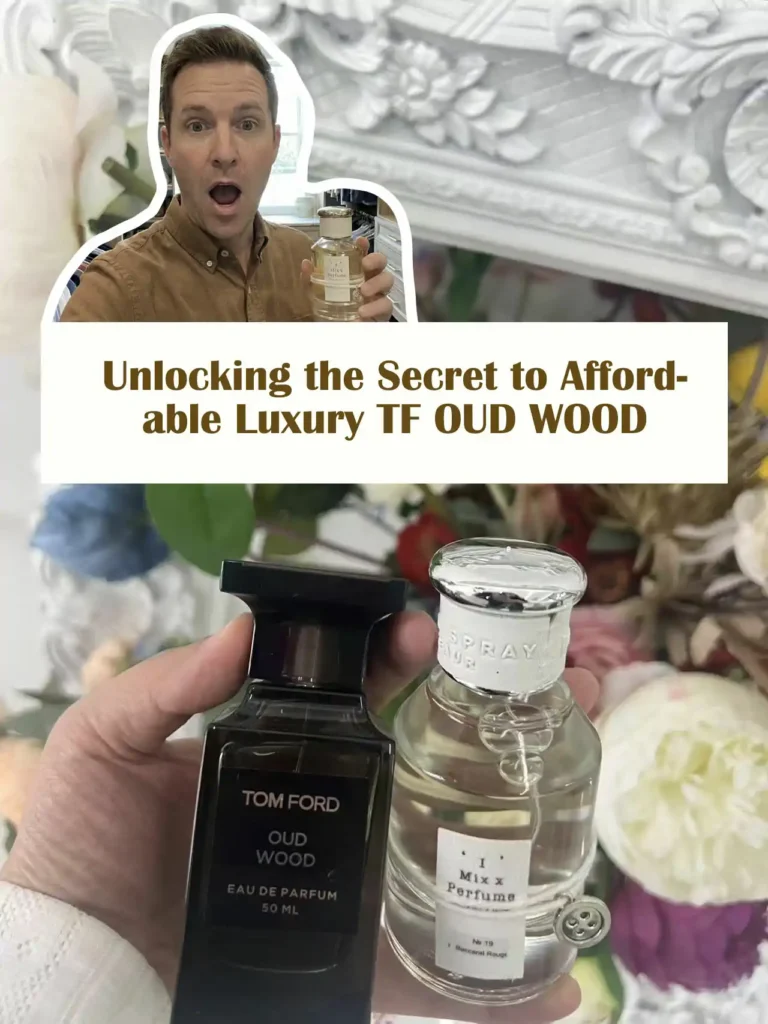
However, the modern American fragrance consumer is highly educated and practical. When a standard 50ml bottle of a luxury designer fragrance approaches the cost of a car payment, practical questions arise. Consumers are actively searching for a cheaper alternative to Tom Ford Oud Wood that delivers a comparable olfactory experience without compromising on basic safety or skin performance. Finding the right alternative requires looking past marketing claims and understanding how fragrances are actually built.
Deconstructing the Scent: What Does Tom Ford Oud Wood Smell Like?
To evaluate any alternative fairly, we first need to understand the blueprint of the original scent. Fragrances are constructed in layers, often referred to as a “pyramid,” consisting of top notes (the opening), heart notes (the core), and base notes (the dry-down). Here is an objective breakdown of this specific profile.
The Opening (Top Notes): Clean, Spicy, and Polished
Unlike many heavy oriental fragrances that blast you with dense wood immediately, this profile opens with an inviting, aromatic spice. Cardamom provides a warm, slightly sweet, and almost culinary freshness, while a hint of Sichuan Pepper adds a subtle, vibrating texture. This is seamlessly blended with Rosewood (Palisander), giving the opening a polished, smooth, mahogany-like character. It feels instantly sophisticated and clean.
The Heart (Middle Notes): The Tamed Agarwood
After the initial spices settle, the core identity emerges. Agarwood (Oud) is the focal point, but it is heavily modified. In traditional pure forms, natural agarwood can smell medicinal, sour, or heavily animalic. The brilliance of this specific Westernized profile is that the agarwood is smoothed out using generous amounts of creamy Sandalwood and earthy Vetiver. The sandalwood acts as an olfactory buffer, softening the harsh edges of the agarwood and rendering it smoky, resinous, and highly approachable.
The Base (Dry-Down): Comforting Warmth
As the fragrance anchors to the skin over several hours, it merges with base notes of Tonka Bean, Vanilla, and Amber. These elements introduce a very polite, underlying warmth and subtle sweetness. It avoids becoming a heavy “dessert” scent, instead settling into a comforting, glowing woodiness that makes it an exceptional choice for colder climates and winter wear.
The Economics of Perfumery: Why Are Designer Woods So Expensive?
The sticker shock associated with high-end designer fragrances is a common pain point. To understand the market, it helps to look at the three primary factors that drive up the retail price of luxury woody scents.
1. Botanical Rarity
True, natural agarwood is exceptionally rare. It is produced by the Aquilaria tree only after it undergoes a specific natural defense mechanism against a fungal infection. This process takes decades, meaning the yield of natural essential oil is incredibly low, driving raw material costs to premium levels.
2. Synthetic Standardization (Captive Molecules)
Because natural agarwood varies wildly in scent from batch to batch, large commercial luxury brands cannot rely on it entirely if they want their perfume to smell the exact same year after year. To achieve consistency and comply with global safety standards, major fragrance laboratories develop patented synthetic aroma-chemicals (often called “captive molecules”). These high-tech molecules mimic the best parts of agarwood without the unpredictability. The research and development costs for these molecules are immense and are factored into the final retail price.
3. Marketing and Retail Overhead
The fragrance industry is heavily reliant on perception. A significant percentage of a luxury perfume’s cost is allocated to multi-million dollar global advertising campaigns, celebrity endorsements, custom glass manufacturing, and the high profit margins required by luxury department stores. Consumers often pay a premium for the brand prestige rather than the raw ingredients inside the bottle.
Understanding the Longevity Gap: Why Do Some Fragrances Fade?
One of the most frequent consumer complaints regarding the original designer formulation is its moderate-to-weak longevity. Many users report that while the initial scent is beautiful, it becomes a faint “skin scent” within 3 to 4 hours. To understand why this happens, we must look at formulation science.
Most standard designer fragrances are formulated as an Eau de Parfum (EDP), which typically contains between 15% to 20% fragrance oil, with the rest being cosmetic alcohol and water. Furthermore, notes like cardamom and rosewood consist of smaller, lighter molecules that evaporate rapidly from the skin.
When the oil concentration is not high enough to anchor these lighter molecules, the fragrance dissipates into the air quickly, especially on individuals with dry skin. This widely observed performance gap has created a strong consumer demand for alternative formulations that focus purely on increasing oil density to extend wear time.
Objective Formulation and Evaluation
Creating or selecting a worthwhile alternative requires more than just mixing generic woody oils. At IMIXX, our approach to recommending and formulating fragrances relies on objective criteria rather than mere guesswork. Here is a look at the parameters used to evaluate fragrance performance.
Structural Alignment
Formulation begins with understanding the molecular weight of the target scent. Using principles of Gas Chromatography, modern perfumers can analyze how a fragrance is balanced. A successful alternative must replicate the transition from the spicy top notes down to the amber base without feeling disjointed or “hollow” in the middle.
Controlled Wear Testing
Fragrance performance is highly dependent on environment and skin chemistry. To evaluate longevity fairly, testing must be observed over multiple days on various skin types in standard indoor climates (around 70°F – 72°F). We look for the exact timeframe a fragrance projects noticeably before settling into an intimate skin scent.
Safety Standard Compliance
Performance means nothing without safety. We prioritize formulations that adhere to the stringent guidelines set by the International Fragrance Association (IFRA). This ensures the exclusion of banned allergens and harsh, low-grade solvents often found in unverified bargain market clones.
A Fair Market Comparison: Exploring Your Woody Fragrance Options
To provide a balanced perspective, it is important to acknowledge that consumers have several different categories of woody fragrances to choose from. Understanding the pros and cons of these categories will help you make the best decision for your needs.
Category 1: Pure Artisanal Natural Oils
For purists, there are independent distillers who sell 100% natural, pure agarwood oils (often simply called ‘Oud’).
- The Pros: This is the most historically authentic way to experience the ingredient. The longevity is unmatched; a tiny drop can last for 24 hours.
- The Cons: Pure natural oud rarely smells like the clean, westernized designer perfumes. It is often very heavy, medicinal, and sometimes polarizing for an office environment. Additionally, pure oils can be exorbitantly expensive, sometimes exceeding the cost of designer brands.
Category 2: Traditional Middle Eastern Blends (Mukhallats)
Many heritage brands produce highly affordable EDPs and concentrated oils focusing on traditional Middle Eastern scent profiles.
- The Pros: They offer incredible value for money and powerful projection.
- The Cons: These blends typically heavily pair oud with sweet, jammy Rose or intense Saffron. If you are specifically looking for the dry, spicy cardamom and rosewood profile of the Western designer benchmark, these traditional blends will usually feel too floral, too sweet, or too aggressive.
Category 3: Mass-Market Budget Sprays
These are the highly inexpensive ($15-$25) aerosol or glass bottle sprays commonly found in discount pharmacies or massive online marketplaces.
- The Pros: They are highly accessible and require very little financial commitment.
- The Cons: They rely on high volumes of low-grade alcohol. While the first five minutes might vaguely resemble the target scent, they typically dry down into a flat, synthetic, and sometimes headache-inducing chemical aroma. Due to extremely low oil concentrations, they rarely last past the two-hour mark.
Category 4: High-Concentration Extrait Formulations (The IMIXX Category)
This category was born directly from consumer frustration with both luxury price tags and poor designer longevity. Brands in this space focus on high perfume oil concentrations (Extrait de Parfum) sold directly to consumers.
- The Pros: By eliminating retail markups and marketing budgets, these formulations invest heavily in safe, high-quality raw materials. The Extrait concentration (often 25%+ fragrance oil) anchors the scent to the skin, providing a much smoother opening and observed longevity that generally far exceeds standard designer EDPs.
- The Cons: They are an investment compared to drugstore sprays (usually sitting in the $40-$60 range) and are primarily available online rather than in physical retail stores.
Formulation Spotlight: The Strategy Behind IMIXX No.48
Understanding the landscape above explains why we structured our approach the way we did. IMIXX No.48 was not designed simply to exist as another budget option; it was formulated specifically to address the performance gaps found in the broader market.
By elevating the fragrance from a standard EDP to an Extrait de Parfum, we altered the evaporation curve. A higher ratio of fragrance oil to alcohol means that the lighter, highly desirable top notes (the cardamom and rosewood) are held onto the skin longer by the denser base materials. In standard indoor environments, consumers report a noticeable, polite projection that easily spans a standard workday, transitioning smoothly into a rich skin scent by the evening.
Furthermore, by operating as a direct-to-consumer brand, we bypass the traditional luxury retail ecosystem. This allows us to provide a complex, IFRA-compliant, highly aligned olfactory experience that respects both the art of perfumery and the practical budget of the everyday consumer.
At-a-Glance Reference: Understanding the Categories
To help visualize the market landscape discussed above, we have compiled an objective comparison matrix based on general category characteristics.
Table 1: General Performance & Scent Profile Matrix
| Category | Scent Profile Characteristics | Typical Longevity Focus | Opening Experience |
|---|---|---|---|
| Original Designer EDP | Clean, westernized, spicy/creamy wood | Moderate (Usually 3 – 5 Hours) | Smooth, highly refined |
| Pure Artisanal Oils | Dense, authentic, often medicinal/animalic | Very High (12 – 24+ Hours) | Heavy, requires acquired taste |
| Budget Pharmacy Sprays | Linear, synthetic wood impression | Low (1 – 2 Hours) | Often harsh, alcohol-heavy |
| IMIXX No.48 (Extrait) | Clean, westernized, spicy/creamy wood | Extended (Typically 7 – 9 Hours) | Smooth, dense oil presence |
Table 2: Economic Factors & Consumer Accessibility
| Category | Estimated Market Cost (50ml) | Primary Cost Drivers | Accessibility in USA |
|---|---|---|---|
| Original Designer EDP | $295.00+ USD | Marketing, Retail Markup, Brand Prestige | High-end Department Stores |
| Pure Artisanal Oils | $300.00 – $1000.00+ USD | Extreme Botanical Scarcity, Labor | Specialty Niche Importers |
| IMIXX No.48 | Affordable (Check Current) | Formulation Quality, Ingredient Density | Direct-to-Consumer Online |
Frequently Asked Questions (FAQs) About Woody Fragrances
The fragrance community is filled with terminology that can be overwhelming for casual buyers. We have gathered the most commonly asked questions by USA consumers to provide clear, educational answers.
What is the best Tom Ford Oud Wood dupe for longevity?
If longevity is your primary concern, standard Eau de Toilette or cheap body sprays will not suffice. You should look for Extrait de Parfum formulations, such as IMIXX No.48. The higher ratio of fragrance oil to alcohol slows the evaporation process, allowing the complex blend of rosewood and agarwood to remain noticeable on the skin for significantly longer periods (often 7 to 9 hours depending on skin hydration).
Is Tom Ford Oud Wood unisex?
Yes, it is widely classified as a unisex fragrance. While traditional marketing often assigns heavy woods to the “men’s” category, the inclusion of sweet tonka bean, warm amber, and creamy sandalwood softens the profile considerably. It projects a sophisticated, polished aura that is highly appealing on anyone, making it a popular shared fragrance.
How long does Oud Wood fragrance last?
General consumer consensus indicates that the original designer EDP yields moderate performance, frequently transitioning to a close skin scent within 3 to 5 hours. To achieve all-day performance, consumers generally need to reapply the original throughout the day or switch to a higher-concentration Extrait alternative.
What does Tom Ford Oud Wood smell like?
Imagine the scent of an upscale, dimly lit lounge featuring polished mahogany and leather furniture. It opens with an inviting, aromatic spice from cardamom and rosewood, before settling into a clean, smoky, and resinous blend of agarwood and sandalwood. It finishes with a very subtle, comforting warmth from amber. It is clean and tailored, avoiding the medicinal or “funky” notes often associated with raw oud.
Why is oud perfume so expensive?
The high cost is a combination of factors. The natural raw material is incredibly scarce and difficult to harvest. Furthermore, to make the scent consistent and universally appealing, designer brands use expensive, patented synthetic molecules. Finally, luxury brands apply substantial retail markups to maintain their aura of exclusivity (the Veblen Good effect).
Are perfume oils better than sprays for Oud Wood?
It depends on how you want the fragrance to behave. Pure oil roll-ons stay very close to the skin; they last a long time but do not project (sillage). An Extrait de Parfum spray offers a balanced hybrid: the high oil content provides excellent longevity, while the cosmetic alcohol acts as a delivery system, allowing the scent to lift off the skin and create a polite, noticeable aura around you.
What is the difference between inspired fragrances and original perfumes?
Original perfumes carry the financial burden of designer branding, bespoke bottle manufacturing, retail shelf space, and global advertising. Inspired fragrances (often referred to as alternatives or dupes) strip away these marketing costs. They focus on structurally analyzing the scent notes and recreating the olfactory experience using safe, high-quality materials in a lab, offering the sensory experience without the luxury markup.
Does Oud Wood smell good on men?
It is considered a staple in men’s grooming. It projects maturity, professionalism, and quiet confidence. Because it is a “clean” wood rather than a heavy, overly sweet oriental, it is incredibly versatile—perfect for corporate environments, formal events, or evening dinners.
Is there a cheaper alternative to Tom Ford Oud Wood?
Yes. By moving away from the traditional retail model, consumers can find high-quality, direct-to-consumer alternatives. IMIXX No.48 is formulated to offer a highly aligned blend of exotic woods and spices at a very accessible price point for the US market.
What are the main notes in Tom Ford Oud Wood?
The defining architectural notes are Rosewood, Cardamom, and Sichuan Pepper in the opening; Agarwood, Sandalwood, and Vetiver in the core; and Tonka Bean, Vanilla, and Amber in the dry-down.
How do you make oud fragrance last longer?
Skin hydration is critical; dry skin will absorb and break down perfume oils quickly. Apply an unscented moisturizing lotion before spraying. Focus your sprays on pulse points (wrists, neck, inner elbows). Most importantly, ensure you are buying a formulation with a higher oil concentration (like an Extrait) rather than a highly diluted body spray.
What are the best woody fragrances for winter?
Cold weather dampens the projection of light, citrusy fragrances. Winter requires scents with denser, heavier base notes like amber, vanilla, and agarwood that can push through the cold air. The smoky, comforting profile of this specific wood blend makes it an exceptional choice for the colder months.
What is a good everyday perfume that lasts all day?
An everyday signature scent needs to be balanced—not too fleeting, but not overwhelmingly heavy for a shared office space. A well-formulated woody-spicy Extrait strikes this balance perfectly, offering the longevity needed for a full workday while remaining polite and professional.
Is agarwood the same as oud?
Yes. “Agarwood” is the botanical term for the resinous wood produced by the Aquilaria tree, while “Oud” (or Oudh) is the traditional Arabic term commonly used in perfumery to describe the fragrant oil extracted from that wood.
Final Thoughts: Making an Educated Choice
Building a fragrance wardrobe that makes you feel confident should not require compromising your budget just to acquire a designer label. The modern fragrance market in the USA offers more transparency and choice than ever before.
By understanding the science of scent evaporation, the realities of raw material sourcing, and the structural differences between pure oils, cheap sprays, and well-crafted Extraits, you are equipped to make a choice that suits your practical needs. You don’t have to settle for a luxury scent that fades by lunchtime, nor do you have to endure the harsh chemicals of a discount spray.
If you value balanced performance, safety, and a highly refined olfactory experience, exploring high-concentration alternatives is a logical next step. Elevate your daily routine intelligently.
