

Blog, Scent Profiles & Ingredients
How to Smell Like Le Labo dupe for Less: The Ultimate Supply Chain & Skin-Chemistry Guide to Finding Your Perfect Dupe in the USA (2026)
Jul
How to Smell Like Le Labo for Less: The Ultimate Supply Chain & Skin-Chemistry Guide to Finding Your Perfect Dupe in the USA (2026)
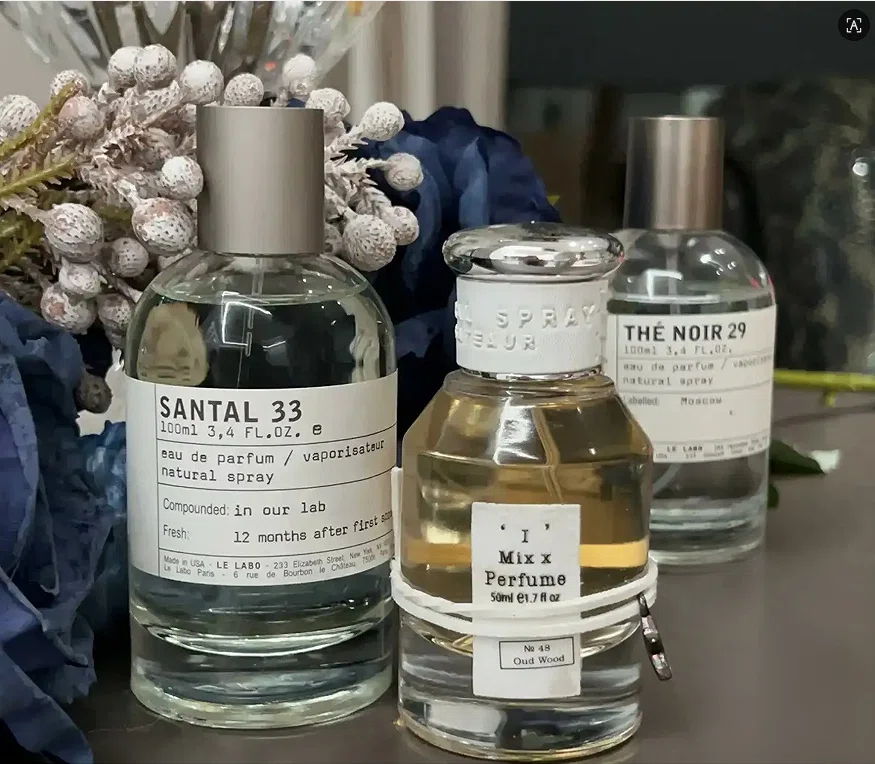
Navigating the world of fragrance alternatives in the US market requires more than just searching for a “best Le Labo dupe.” It demands an understanding of olfactory science, supply chain economics, and skin chemistry. This comprehensive guide, written from the perspective of fragrance formulation experts, demystifies the high costs of niche perfumery. We will analyze the molecular structure of iconic scents like Santal 33 and Another 13, explain how raw materials and maceration impact longevity, and provide actionable advice on choosing fragrances based on your unique skin pH. Furthermore, we include two detailed analytical tables comparing cost structures and skin-chemistry profiles, alongside a robust 15-question FAQ section to help you achieve the ultimate “quiet luxury” aesthetic without the exorbitant markup. For those seeking masterfully crafted alternatives straight from the laboratory, Imixx offers a transparent, high-quality solution.
By Linus Dacke Thall – Fragrance Formulation & Supply Chain Expert
1. The Economics of Quiet Luxury: Why is Le Labo So Expensive?
If you have ever walked into a niche fragrance boutique in New York or Los Angeles, you have likely experienced the magnetic pull of minimalist apothecary bottles and the intoxicating, complex aromas that fill the air. The “skin-scent” revolution, championed by brands utilizing minimalist aesthetics and personalized labels, has taken the USA by storm. But when faced with a price tag exceeding $300 for a 50ml bottle, consumers naturally ask: Are we paying for the juice inside the bottle, or the story on the outside?
As a supply chain expert in the fragrance manufacturing sector, I can pull back the curtain on the luxury perfume industry. To understand how to find the perfect Le Labo dupe, you must first understand why the original costs what it does. The price of a traditional luxury perfume is rarely a direct reflection of the raw materials (the essential oils, absolutes, and aroma chemicals). Instead, the retail price is inflated by a complex web of intermediaries.
When you purchase a $300 niche fragrance, you are funding prime retail real estate, massive marketing campaigns, elaborate packaging, and distributor margins. The actual liquid—the “juice”—often accounts for less than 10% of the final retail price. This is not to say the ingredients are cheap; high-quality naturals like Indian Sandalwood or Turkish Rose are indeed expensive. However, modern perfumery heavily relies on safe, synthesized molecules (such as Ambroxan, Iso E Super, and Hedione) to create projection and longevity. These molecules are available to all qualified fragrance formulation labs.
This is where the “information gap” closes. By bypassing traditional retail models and adopting a direct-to-consumer (DTC) supply chain, specialized formulation labs can source the exact same tier of raw materials, blend them at high Extrait de Parfum or Eau de Parfum (EDP) concentrations, and deliver an identical olfactory experience to consumers in the US at a fraction of the cost. The secret isn’t in cutting corners; it’s in cutting out the middlemen.
Table 1: Traditional Luxury Perfume Cost vs. Direct-to-Consumer Supply Chain
| Cost Component | Traditional Luxury Brand ($300 Retail) | Direct-to-Consumer Lab (e.g., Imixx) ($40 Retail) | Supply Chain Reality & Explanation |
|---|---|---|---|
| Raw Materials & Formulating | 5% – 10% | 35% – 45% | Both utilize high-quality naturals and synthetics (compliant with IFRA standards). DTC models allocate a massive portion of their budget directly to the juice. |
| Packaging & Bottling | 15% – 20% | 20% – 25% | Luxury brands use custom molds and heavy caps. DTC brands use standardized, elegant, yet cost-effective minimalist glass to keep prices low. |
| Marketing & Endorsements | 25% – 30% | 10% – 15% | Legacy brands spend millions on global campaigns. Factory-direct brands rely on organic SEO, word-of-mouth, and pure product quality. |
| Retail Markup & Middlemen | 40% – 50% | 0% | This is the critical difference. Selling directly via a brand’s own website eliminates department store margins entirely. |
2. The Alchemy of Scent: Decoding the Molecular Blueprint of a Great Dupe
To evaluate a high-quality alternative, one must move beyond the subjective “it smells good” and understand the chemistry of perfumery. A true, top-tier Le Labo dupe that lasts long on the skin is not created by randomly mixing cheap fragrance oils. It requires a meticulous understanding of gas chromatography-mass spectrometry (GC-MS) and the artistry of blending.
Let’s dissect the components that make these scent profiles so sought after in the USA:
- The Ambroxan Phenomenon: Ambroxan is a synthesized molecule designed to mimic the rare and expensive ambergris (a byproduct of sperm whales). It has a musky, woody, slightly sweet, and fiercely animalic quality. It is the backbone of the “your skin but better” trend. When a lab attempts to create the best Le Labo Another 13 dupe, the precise dosing of Ambroxan combined with Iso E Super (a cedar-like, velvety molecule) is what creates that ethereal, hard-to-pin-down aura.
- The Woody Core (Santal 33): The iconic woody and leathery scent profile relies heavily on Australian Sandalwood, Virginia Cedarwood, Cardamom, and Violet Accord. A poor imitation will smell like cheap dill pickles—a common complaint with low-tier copies due to unbalanced cardamom and sandalwood synthetics. A masterfully crafted dupe utilizes premium sandalwood accords to ensure the creamy, woody dry-down remains intact.
- The Art of Maceration: Why do some cheaper alternatives smell harsh or strongly of alcohol when first sprayed? The answer lies in maceration. This is the process where the blended perfume concentrate is left to rest in alcohol for several weeks (often 4 to 8 weeks in professional settings) in a dark, temperature-controlled environment. This allows the molecules to bind, softening the sharp edges and creating a rounded, smooth opening. At our facilities, we understand that time is an ingredient. Rushing the maceration process is the hallmark of low-quality manufacturing.
3. Skin Chemistry 101: How to Choose the Best Le Labo Dupe for Your Vibe
One of the most overlooked aspects of fragrance is skin chemistry. Perfume is not static; it is a living, breathing chemical reaction that occurs when essential oils meet your skin’s unique acid mantle, pH level, and basal body temperature. What smells similar to Le Labo Rose 31 on a blotter paper might smell entirely different on your wrist.
Understanding your skin type (oily, dry, or balanced) is crucial for maximizing longevity and ensuring the scent profile develops as intended. Oily skin tends to hold onto fragrances longer and amplifies sweeter, heavier base notes (like vanilla, musk, and resins). Dry skin, which lacks lipids to anchor the fragrance molecules, often causes top notes (like citrus and light florals) to evaporate rapidly, leading to poor longevity.
If You Love Santal 33 (Woody & Leathery)
The Profile: The quintessential scent of downtown New York. It opens with sharp cardamom and iris, transitioning into a robust heart of cedarwood and a creamy sandalwood/leather dry-down.
Skin Chemistry Interaction: If you have dry skin, the “dill” note (a byproduct of the violet and sandalwood interaction) might project more aggressively. To counter this, moisturize heavily before application. If you are seeking the absolute best woody dupe for Santal 33, look for formulations with a higher oil concentration (EDP) that ground the scent in deep leather and amber notes, ensuring the creamy woods outlast the sharp spices. Discover Imixx’s woody alternatives that perfectly balance these notes.
If You Love Another 13 (Musky & Clean)
The Profile: An intoxicating blend of Ambroxan, jasmine petals, moss, and ambrette seed. It is the ultimate “phantom” scent—sometimes you can’t smell it on yourself, but others will stop you in the street.
Skin Chemistry Interaction: This is a highly molecular fragrance. On some people, it smells like crisp, fresh magazine pages; on others, it is deeply musky and warm. Because Ambroxan relies on your body heat to project, it performs exceptionally well on pulse points. The best Le Labo Another 13 dupe must use high-purity synthetic musks that don’t degrade into a metallic scent on acidic skin.
If You Love Thé Noir 29 or Rose 31 (Spicy, Floral & Dark)
The Profile: Thé Noir 29 is a sophisticated ode to black tea, featuring fig, bay leaves, cedar, and vetiver. Rose 31 is a dirty, spicy rose, far removed from a traditional powdery floral, heavily laced with cumin and woods.
Skin Chemistry Interaction: The spices in these profiles (cumin, clove, bay leaf) are notoriously sensitive to diet and sweat. On warmer skin, the cumin in Rose 31 can become overly animalic. High-quality alternatives carefully balance the spicy top notes with robust floral absolutes to ensure the scent remains elegant. For longevity, these complex structures require a masterful hand in formulation to prevent the delicate rose or fig notes from being crushed by the heavy woody bases.
Table 2: Scent Profile & Ideal Skin Type Match for Top Le Labo Profiles
| Target Scent Profile | Dominant Notes | Best Skin Type Match | Longevity Expectation (EDP) | Pro Tip for Maximum Projection |
|---|---|---|---|---|
| Santal 33 (Woody) | Sandalwood, Cedar, Cardamom, Leather | Normal to Oily. (Dry skin may amplify sharp top notes). | 8 – 10 Hours | Apply to the nape of the neck; body heat releases the creamy woods slowly. |
| Another 13 (Molecular) | Ambroxan, Ambrette Seed, Jasmine | All Skin Types. Works with your natural pheromones. | 10+ Hours (Intermittent projection) | Do not rub your wrists together; this bruises the delicate molecular structure. |
| Thé Noir 29 (Fruity/Woody) | Black Tea, Fig, Cedarwood, Vetiver | Normal to Dry. (Oily skin makes the fig note very sweet). | 7 – 9 Hours | Spray on clothing (scarves/collars) to preserve the crisp black tea opening. |
| Rose 31 (Spicy Floral) | Centifolia Rose, Cumin, Vetiver, Musk | Normal. (High body temp can make spices smell harsh). | 6 – 8 Hours | Layer over an unscented lotion to ground the delicate rose petals. |
4. The Application Science: How to Make Your Dupe Perfume Last All Day
Even the most expensive, perfectly formulated fragrance will vanish quickly if not applied correctly. Longevity is a common concern in the US perfume market. Here is how to maximize the lifespan of your scent using professional techniques:
- Hydration is the Ultimate Primer: Fragrance oils need lipids to cling to. Applying perfume to dry skin is like pouring water on dry earth—it evaporates instantly. Always apply an unscented body lotion or carrier oil (like jojoba or sweet almond oil) immediately after showering, and spray your fragrance over it.
- Strategic Pulse Points: Heat activates the volatile compounds in perfume. Target the jugular pulse on your neck, the inner wrists, the inside of your elbows, and the backs of your knees.
- The Art of Fragrance Layering: Can you layer Le Labo dupes to make them last longer? Absolutely. Layering a molecular scent (like an Ambroxan-heavy Another 13 alternative) underneath a woody scent (like a Santal 33 alternative) creates a custom, incredibly long-lasting sillage. The Iso E Super acts as an anchor for the other notes.
- Hair and Fabric: While you should avoid spraying alcohol directly onto delicate hair, misting your fragrance onto a hairbrush before running it through your hair creates a beautiful scent trail (sillage). Additionally, natural fibers like wool and cotton hold base notes for days.
5. Beyond the Hype: Why Imixx is Your Go-To Destination for Designer Perfume Dupes in the USA
The internet is flooded with brands claiming to offer the ultimate “cheap alternative.” However, as discussed, creating a master-level formulation requires deep supply chain integration, ethical sourcing, and formulation expertise. This is where Imixx fundamentally disrupts the market.
Instead of merely mimicking a scent, the philosophy at Imixx is rooted in structural integrity. By operating directly from the formulation lab to your doorstep, Imixx eliminates the 80% markup associated with traditional luxury brands. What you receive is a high-concentration Eau de Parfum crafted with ingredients that are fully compliant with stringent global safety standards, mirroring the olfactory architecture of the world’s most coveted niche fragrances.
We don’t just sell perfumes; we deliver the uncompromised experience of luxury without the gatekeeping. From proper maceration times to selecting the finest vegan musks and sustainable woods, our focus is entirely on the quality of the juice. If you are ready to upgrade your fragrance wardrobe without the financial guilt, explore the full collection of expertly crafted formulations at our online boutique.
6. Frequently Asked Questions About Le Labo Dupes
1. What is the best Le Labo Santal 33 dupe?
The best alternative captures the precise balance between the sharp cardamom top notes and the creamy Australian sandalwood base, without deteriorating into a “pickle” smell. Imixx’s woody formulations are engineered to deliver this exact creamy, leathery dry-down by utilizing high-quality synthetic and natural wood accords.
2. Does Zara have a Le Labo dupe?
While fast-fashion brands occasionally release woody or musky scents that nod to niche trends, they typically use lower concentrations (Eau de Toilette) and mass-market synthetics to meet a very low price point. This often results in a harsh alcohol opening and poor longevity compared to dedicated fragrance labs.
3. What is the best Le Labo Another 13 dupe?
A true equivalent to Another 13 must heavily feature premium Ambroxan and Iso E Super alongside delicate ambrette seed. Look for dedicated formulation houses like Imixx that do not dilute these expensive molecular components, ensuring the “skin-scent” aura projects for over 10 hours.
4. Are specialized formulation brands as good as Le Labo?
Yes, from a chemical standpoint. If a laboratory uses the same tier of raw materials (essential oils, absolutes, synthetics) and the same concentration level (EDP), the olfactory result is nearly indistinguishable. You are paying for the liquid, not the marketing budget.
5. What smells similar to Le Labo Rose 31?
Rose 31 is unique because it is a “dirty,” spicy rose featuring cumin and cedar. To find a similar scent, you must look for alternatives categorized under “Spicy Floral” or “Woody Rose,” ensuring they contain prominent cumin and vetiver notes rather than sweet, powdery rose.
6. Which Target perfume smells like Le Labo?
Some mass-market retailers carry affordable brands (like Fine’ry or Pacifica) that offer loose interpretations of popular niche scents. However, due to strict retail cost constraints, these are often linear scents that lack the complex, multi-layered dry-down of an Extrait or high-concentration EDP.
7. Is there a cheaper alternative to Le Labo that lasts long?
Absolutely. By purchasing from direct-to-consumer fragrance labs like Imixx, you receive high-concentration EDPs that bypass retail markups. Because the budget is spent on raw materials rather than packaging, longevity and sillage are comparable or even superior to the originals.
8. Why is Le Labo so expensive?
The high cost is driven by brand positioning, boutique real estate, personalized in-store mixing experiences, and Estée Lauder’s corporate marketing margins. The raw materials themselves, while high quality, only represent a small fraction of the final retail price.
9. Does Bath and Body Works have a Le Labo dupe?
Body care retailers sometimes release seasonal mists with “sandalwood” or “musk” notes. However, these are body mists with very high alcohol and water content, meant for momentary refreshment, not for the complex, all-day wear provided by an Eau de Parfum.
10. What is a “molecular” version of Le Labo?
Molecular perfumery relies heavily on single aroma-chemicals like Ambroxan (found in Another 13). Quality alternatives focus on sourcing the purest forms of these synthetic molecules to recreate that clean, pheromone-like aura without harsh chemical undertones.
11. Which niche perfume smells like Santal 33?
Many niche houses have created sandalwood-dominant fragrances since Santal 33’s release. However, if you want the exact scent profile without paying another niche price tag, a scientifically formulated alternative from a transparent supply chain is the most logical choice.
12. What is the best Le Labo The Noir 29 dupe?
The Noir 29 requires a careful balance of dark fig, black tea extract, and cedarwood. The best alternatives will highlight the juicy, tart fig in the opening and transition smoothly into a smoky, dry tobacco and vetiver base.
13. How long do Le Labo dupes last on the skin?
This depends entirely on the formulation. Cheap knockoffs might last 1-2 hours. However, high-quality alternatives formulated at Eau de Parfum concentration (15-20% fragrance oil) by reputable labs will easily last 8 to 12 hours on well-moisturized skin.
14. What fragrance has the same sandalwood note as Le Labo?
The specific note is a blend of Australian Sandalwood and Virginia Cedar. To replicate this, expert formulators use premium natural isolates and high-grade synthetics to capture the dry, papery, yet creamy woodiness unique to this scent family.
15. Can you layer Le Labo dupes to make them last longer?
Yes! Fragrance layering is an excellent technique. We highly recommend applying an unscented lotion first, followed by a molecular scent (like an Ambroxan base), and topping it with a woody or floral alternative. This creates a deeply personal, long-lasting fragrance matrix.
Disclaimer: The analysis provided in this article regarding fragrance formulation, supply chain economics, and skin chemistry is based on general perfumery principles and industry practices. For a deeper understanding of fragrance safety and chemical compliance, please refer to authoritative bodies such as the International Fragrance Association (IFRA) or research institutions like the Monell Chemical Senses Center.
